
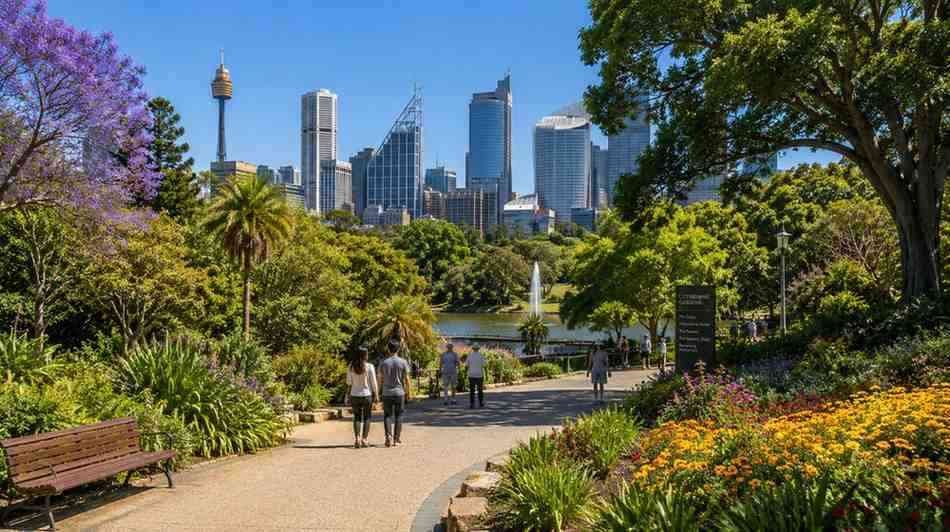
As urbanization expands globally, integrating green spaces into our communities is increasingly vital. Far from just aesthetic additions, these planned outdoor areas are critical for a healthy, sustainable environment. By advocating for parks and green roofs, we foster biodiversity, mitigate climate change, and improve urban living. This post explores these profound advantages.
Enhancing Biodiversity and Ecosystem Health
Urban expansion frequently leads to habitat destruction, which threatens local wildlife populations and disrupts ecological balance. However, carefully designed outdoor spaces can reverse this trend by providing essential refuges for various plant and animal species. Integrating native vegetation into public parks, residential gardens, and commercial landscapes restores vital ecosystems and creates thriving biological networks right in the middle of concrete jungles.
Creating Habitats for Urban Wildlife
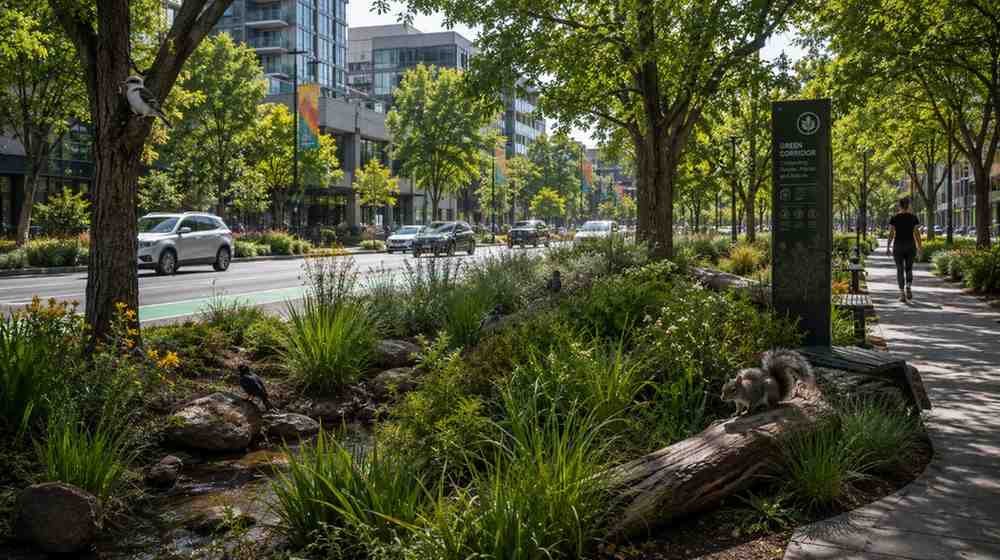
When city planners and landscape architects prioritize native plants and diverse vegetation layers, they establish micro-habitats that support local fauna. Birds, small mammals, and beneficial insects rely on these pockets of nature for food, shelter, and nesting grounds. A well-maintained community park or a sprawling green roof can serve as an oasis for urban wildlife, ensuring that species diversity remains robust even in densely populated cities.
Supporting Pollinators and Green Corridors
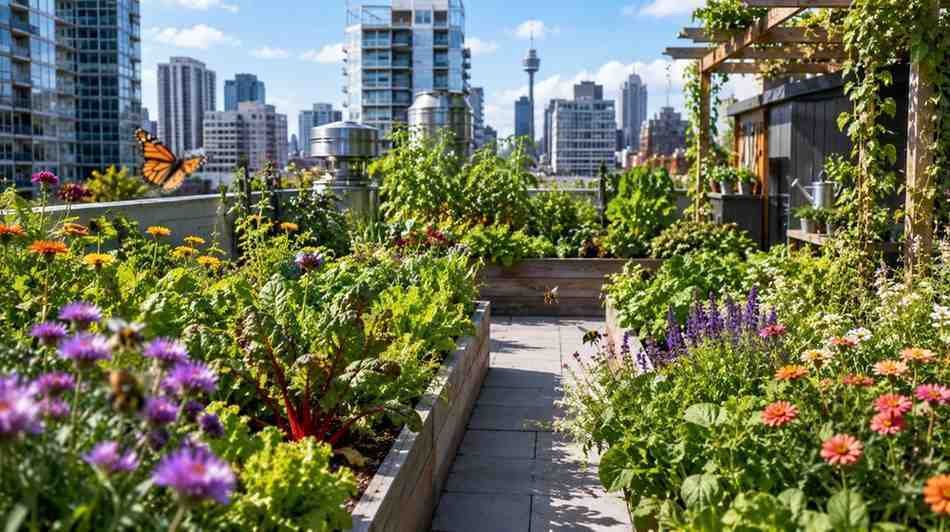
Pollinators such as bees, butterflies, and hummingbirds are essential for the reproduction of countless plant species. Well-planned outdoor areas that feature continuous blooming cycles provide crucial nectar sources throughout the year. Furthermore, linking these green spaces forms continuous ecological pathways known as green corridors.
These corridors allow pollinators and other wildlife to migrate and forage safely across urban landscapes, preventing population isolation and promoting greater genetic diversity.
Mitigating Climate Change and Urban Heat Islands
Navigating real estate markets in dense urban environments are notorious for trapping heat and accumulating pollution. Expansive concrete surfaces and towering buildings absorb solar radiation, creating localized zones of elevated temperatures. Strategic green infrastructure is one of the most effective tools for combating these temperature spikes while simultaneously addressing broader climate change concerns through natural carbon absorption.
Carbon Sequestration and Air Quality Improvement
Trees and robust shrubs act as the lungs of our cities. Through the process of photosynthesis, they actively remove carbon dioxide from the atmosphere and lock it away in their biomass and the surrounding soil. Beyond carbon sequestration, plant leaves filter harmful airborne pollutants, including particulate matter, nitrogen dioxide, and sulfur dioxide.
This natural filtration process significantly improves air quality, leading to a healthier respiratory environment for all residents.
Reducing the Urban Heat Island Effect
The urban heat island effect can cause city temperatures to be several degrees higher than surrounding rural areas. Integrating expansive tree canopies, green roofs, and vegetated open spaces directly counteract this phenomenon through shade provision and evapotranspiration.
Whether a municipality is developing a new botanical garden or a homeowner is utilizing a lawn service in Austin to maintain a healthy, drought-resistant yard, the addition and upkeep of natural ground cover prevents surfaces from baking in the sun. This cooling effect reduces the overall ambient temperature of the neighborhood, providing relief during intense summer months.
Managing Stormwater and Improving Water Quality
As cities grow, natural permeable landscapes are frequently replaced by impervious surfaces such as asphalt and concrete. This shift dramatically alters the natural water cycle, leading to severe stormwater management challenges. Well-planned outdoor areas introduce natural drainage solutions that handle heavy rainfall efficiently, protecting urban infrastructure from flooding while maintaining the integrity of local waterways.
Natural Filtration and Groundwater Recharge
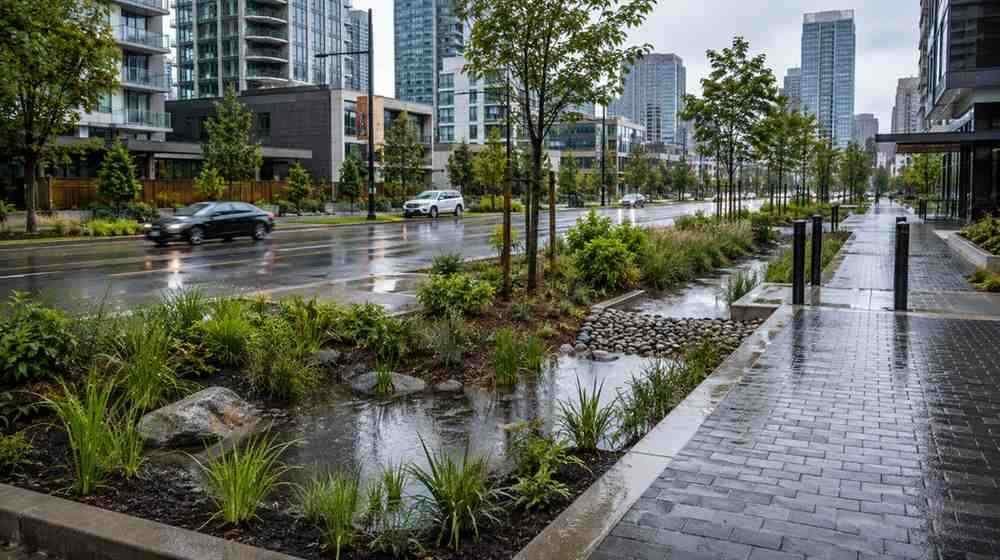
Green spaces that incorporate permeable pavements, rain gardens, and bioswales allow rainwater to soak naturally into the earth rather than pooling on streets. As water percolates through the soil and plant root systems, physical and biological processes strip away pollutants like motor oil, heavy metals, and fertilizers. This natural filtration system ensures that the water ultimately recharges local underground aquifers is clean and safe.
Minimizing Runoff and Erosion
During severe storms, the sheer volume of water cascading off buildings and roads can overwhelm municipal sewage systems, leading to hazardous overflow and severe soil erosion. Thoughtfully designed landscapes act as natural sponges, absorbing significant amounts of rainfall and slowing the speed of surface runoff.
By decreasing the velocity and volume of this runoff, green spaces prevent topsoil from washing away and protect nearby rivers and lakes from damaging sedimentation.
Promoting Sustainable Resource Management
Sustainable urban planning goes beyond simply planting trees; it encompasses how we manage our food, energy, and material resources. Intelligent landscape design can transform idle land into highly productive environments that reduce the ecological footprint of the surrounding community.
Encouraging Local Food Production
Community gardens and urban farms are brilliant examples of how outdoor areas can be optimized for resource management. By growing fruits, vegetables, and herbs locally, communities drastically reduce the carbon emissions associated with the long-distance transportation of agricultural goods.
Additionally, these urban agricultural hubs promote composting and organic soil management, turning household waste into valuable fertilizer and keeping organic matter out of local landfills. They also assist families new to the area.
Reducing Energy Consumption
The strategic placement of trees and shrubs around residential and commercial buildings directly impacts energy usage. Deciduous trees planted on the southern and western sides of a building provide cooling shade during the summer, significantly lowering the demand for energy-intensive air conditioning.
In the winter, once the leaves have fallen, these same trees allow warming sunlight to reach the building, reducing the need for artificial heating. Over time, these natural temperature regulations lead to substantial energy conservation and lower greenhouse gas emissions.
Fostering Community Resilience and Well-being
The environmental benefits of green spaces are deeply intertwined with the social and physical health of the communities that inhabit them. A resilient environment fosters a resilient population, creating a positive feedback loop where both people and nature thrive together.
Connecting People with Nature
Access to well-designed outdoor areas provides essential opportunities for physical exercise, stress reduction, and mental restoration. Walking along a forested trail or simply sitting in a vibrant local park lowers blood pressure, reduces anxiety, and improves overall cognitive function.
When residents have regular, convenient access to nature, they develop a stronger appreciation for the environment, which in turn inspires more sustainable daily habits and stronger ecological stewardship.
Building Sustainable Communities
Public outdoor areas serve as vital gathering spaces that strengthen social cohesion. Parks, plazas, and community gardens bring together individuals including first-time drivers from diverse backgrounds, fostering a shared sense of ownership and civic pride.
Communities that are actively engaged in maintaining and enjoying their local green spaces are better equipped to collaborate on broader environmental initiatives, ensuring that the push for urban sustainability remains a long-term, collective priority.
Conclusion
Thoughtful design of outdoor areas is a fundamental necessity for planetary health and sustainability. Green spaces provide invaluable services that underpin environmental stability and human prosperity. Investing in these areas yields dividends in cleaner air, healthier ecosystems, and vibrant communities. The integration of natural elements offers a powerful, accessible solution.