
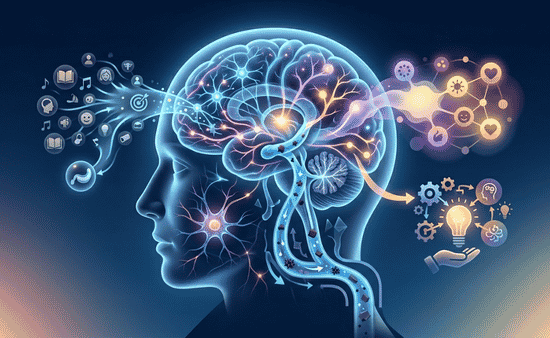
To the casual observer, sleep appears to be a state of total inactivity. We view it as the body’s way of powering down, similar to a machine being switched off at the end of a long shift. However, modern neuroscience has revealed that the brain is far from quiet during the night.
In many ways, the brain is just as active during sleep as it is during our waking hours, though its energy is redirected toward maintenance, organization, and repair. Understanding these internal processes changes the perspective of rest from a passive luxury to an essential biological requirement.
The Cognitive Filing System

One of the most critical tasks the brain performs during rest is memory consolidation. Throughout the day, the brain is bombarded with sensory information, conversations, and new skills. This data is initially stored in the hippocampus, a region that acts as a temporary holding area.
Information Sorting and Storage
During the deep stages of sleep, the brain begins the process of moving these temporary files into long-term storage in the neocortex. It evaluates which information is worth keeping and which is irrelevant. This sorting process is why a student who sleeps after studying often performs better than one who stays up all night. The brain requires the stillness of sleep to strengthen the neural connections associated with new knowledge.
Skill Mastery and Muscle Memory
This cognitive work also extends to physical skills. Whether learning a musical instrument or a new athletic movement, the brain “replays” these patterns during the night. This repetition at a neural level helps to hardwire muscle memory, ensuring that the progress made during practice is locked in for the following day.
The Neurological Cleaning Service
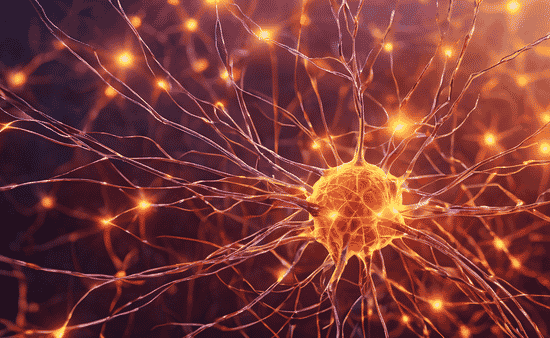
The Glymphatic System at Work
The glymphatic system is the brain’s unique waste-clearance pathway. During wakefulness, the space between brain cells is constricted, making it difficult for fluid to flow. However, during deep sleep, these cells shrink by as much as sixty percent.
This creates wider channels that allow cerebrospinal fluid to rush through, flushing out toxic byproducts such as beta-amyloid, a protein associated with neurodegenerative conditions. Without consistent, uninterrupted rest, these toxins accumulate, leading to the mental fog and irritability associated with exhaustion.
Emotional Regulation and Problem Solving

Rest is also the primary time for emotional processing. Rapid Eye Movement (REM) sleep, characterized by vivid dreaming, allows the brain to work through complex emotions and social interactions.
Processing Stress and Trauma
During REM cycles, the brain’s stress-related chemicals are significantly reduced. This allows the mind to revisit emotional events in a safe, neurochemically calm environment. This “overnight therapy” helps to strip away the sharp edges of difficult experiences, allowing us to wake up with a more balanced perspective.
The Creative Spark
Sleep also facilitates unique connections between seemingly unrelated ideas. By relaxing the rigid logic of the waking mind, the brain can experiment with new associations. This is why many people find the solution to a difficult problem immediately upon waking. The brain has been working on the puzzle all night, approaching it from angles that are inaccessible during the day.
The Necessity of a Supportive Environment
The complex biological work described above cannot happen if the sleep cycle is constantly interrupted. External disturbances or physical discomfort can pull the brain out of deep or REM stages before the necessary work is complete.
Achieving the level of physical stillness required for these processes depends largely on the quality of your environment. If a bed causes physical strain or traps heat, the brain must devote resources to managing that discomfort rather than focusing on memory and cleaning.
For those looking to optimize their neurological recovery, finding a high-quality mattress in West Jordan can provide the stable, supportive foundation needed for the body to remain still. When the physical body is fully supported, the brain is free to complete its vital nightly missions without the interference of tossing and turning.
Conclusion
The brain does not simply shut down when we close our eyes. It engages in a sophisticated series of tasks that are essential for our intelligence, emotional health, and physical longevity. By viewing sleep as an active period of self-improvement, we can better appreciate the necessity of prioritizing rest. When we provide the brain with the time and environment it needs to perform this nightly work, we wake up not just rested, but restored and ready for the challenges of a new day.