
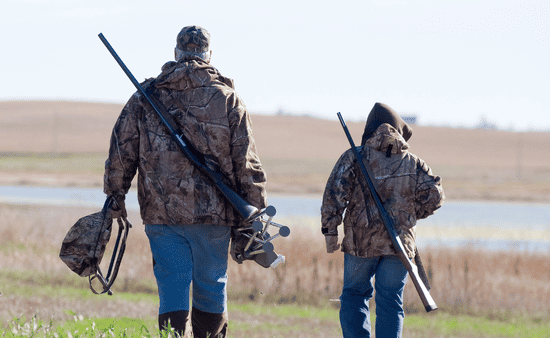
Stepping into the world of hunting can feel both exciting and overwhelming. For beginners, it’s not just about heading into the wild and hoping for success—it’s about preparation, knowledge, and respect for the environment. Hunting smart means combining skill, patience, and ethical practices to create a rewarding and responsible experience. If you’re new to hunting, this guide will help you build a solid foundation and transition from rookie to ready.
Start with the Right Knowledge

Before you even think about gear or locations, invest time in learning the basics. Understanding local hunting laws and regulations is essential. These rules exist to protect wildlife populations, ensure safety, and maintain balance in ecosystems. Enroll in a hunter education course if available in your area—it’s one of the best ways to gain confidence and credibility as a beginner.
You should also familiarize yourself with the species you intend to hunt. Learn their behavior, feeding patterns, and habitats. The more you know about your target, the better your chances of success.
Gear Up Without Overcomplicating
It’s easy to get caught up in buying the latest equipment, but as a beginner, simplicity is your best friend. Focus on reliable essentials: appropriate clothing for the weather, a dependable weapon, and basic navigation tools like a map or GPS device.
When selecting your weapon, practice is crucial. Whether you’re using a rifle, bow, or even crossbow broadheads, accuracy and familiarity matter more than expensive upgrades. Spend time at a range or in controlled environments to build your confidence and skill before heading out.
Learn the Art of Patience
Hunting isn’t a fast-paced activity—it’s a test of patience and awareness. You may spend hours waiting quietly, observing your surroundings, and listening for subtle movements. Beginners often underestimate how important stillness and silence are in hunting.
Practice controlling your movements and minimizing noise. Even small actions, like stepping on dry leaves or adjusting your gear too frequently, can alert animals to your presence. The more patient and attentive you are, the more opportunities you’ll create.
Master Basic Tracking Skills
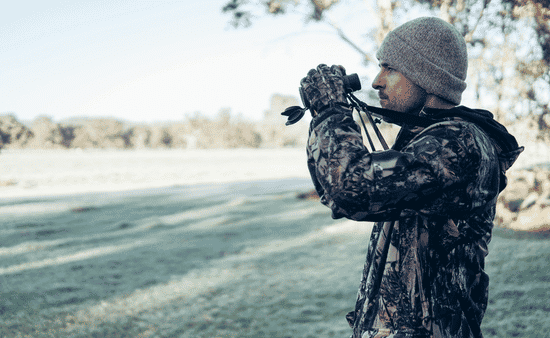
Tracking is one of the most valuable skills a hunter can develop. Start by learning to recognize animal signs such as footprints, droppings, and feeding areas. These clues can tell you where animals have been and where they might go next.
Pay attention to wind direction as well. Animals rely heavily on their sense of smell, so positioning yourself downwind can make a significant difference. Over time, your ability to read the environment will improve, giving you a strategic advantage.
Prioritize Safety at All Times
Safety should always come first, no matter your level of experience. Always treat your weapon as if it’s loaded, keep it pointed in a safe direction, and be aware of your surroundings. Wearing visible clothing, such as blaze orange, can help prevent accidents, especially during busy hunting seasons.
It’s also wise to let someone know your hunting plans before you head out. Share your location and expected return time. Carry a basic first aid kit and know how to use it. Being prepared for emergencies is just as important as preparing for the hunt itself.
Respect Wildlife and the Environment
Hunting is deeply connected to conservation. Ethical hunters respect the animals they pursue and the ecosystems they inhabit. Take only responsible shots to ensure a quick, humane harvest, and avoid wasting any part of the animal.
Additionally, follow the principle of “leave no trace.” Clean up after yourself, avoid damaging habitats, and respect other hunters and outdoor enthusiasts. Responsible behavior helps preserve hunting opportunities for future generations.
Build Experience Gradually
Don’t expect perfection on your first few hunts. Every outing is a learning experience, whether you succeed or not. Start with smaller game or easier terrains before progressing to more challenging hunts.
Consider going with an experienced hunter if possible. Mentorship can accelerate your learning and help you avoid common mistakes. Over time, your skills, confidence, and instincts will naturally grow.
Final Thoughts
Becoming a successful hunter doesn’t happen overnight. It’s a journey that requires dedication, respect, and a willingness to learn. By focusing on preparation, safety, and ethical practices, you’ll not only improve your chances of success but also develop a deeper appreciation for the outdoors.
From your first steps in the field to your growing confidence with each trip, remember that smart hunting is about more than the outcome—it’s about the experience, the lessons, and the connection to nature.