
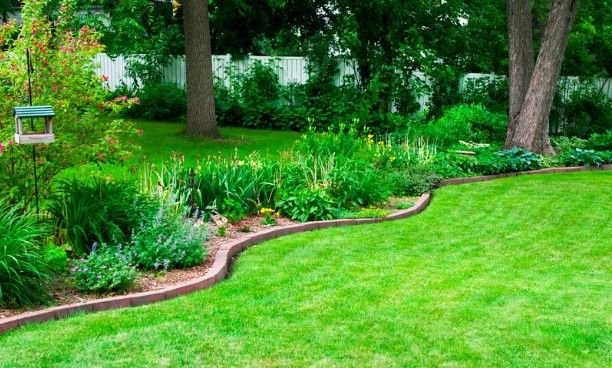
A smart lawn care plan in Utah is less about reacting to problems and more about staying ahead of the season before stress shows up in the turf.
That is why a month-by-month calendar matters. It turns lawn care from guesswork into a sequence of priorities. Instead of asking, “What should I do now?” you know what the lawn needs, what can wait, and where a missed window can cost you months of recovery. For Utah homeowners on the Wasatch Front, that kind of structure is often the difference between an average yard and the nicest lawn on the street.
Why Utah Lawns Need a Different Calendar Than Other Regions
Utah’s climate creates a narrow margin for error. Spring can arrive in fits and starts. Summer heat can push cool-season grass to the edge of stress. Fall may look mild, but it is one of the most important recovery periods of the year. A lawn that looks fine in April can still be underperforming by August if it was not fed, protected, and timed properly.
The biggest mistake homeowners make is treating every month like an isolated task. In reality, each application sets up the next one. Fertilization influences growth. Weed control works best when turf is actively filling in. Grub prevention only matters if it is scheduled before pressure builds. Lawngevity’s long experience on the Wasatch Front is valuable precisely because these timing decisions are local, not theoretical.
The Main Seasonal Pressures To Watch
A Utah lawn calendar has to account for more than just grass growth. It also has to account for:
- Late frosts that slow early spring recovery.
- Rapid weed emergence once soil temperatures rise.
- Summer drought stress and uneven irrigation.
- Turf insects and root damage that may not show immediately.
- Fall recovery windows that determine next year’s density.
Those pressures do not happen on a perfect schedule, but they do follow a pattern. That pattern is what makes month-by-month planning so effective.
January Through March: Protect Dormancy and Prepare for the First Turn Toward Growth
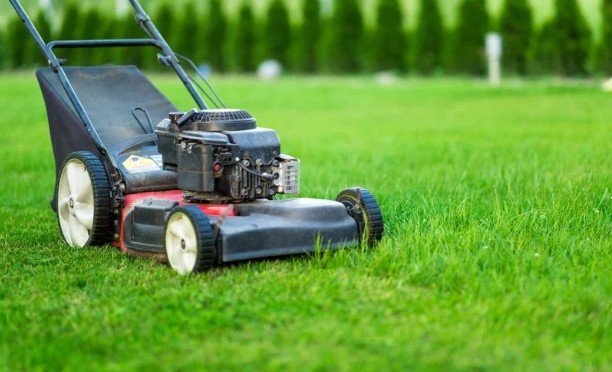
Winter in Utah is not the time for aggressive lawn activity. It is the time to avoid unnecessary stress and prepare for the first meaningful season shift. Snow cover, frozen ground, and low growth rates make most turf interventions unproductive. What matters more is observation, planning, and readiness for the early spring turnaround.
January is a good month to assess what went well and what did not last season. Thin areas, heavy weed pressure, brown patches, or insect damage often tell you where the program needs to be tweaked in spring. That is one reason homeowners who use Lawngevity often appreciate a steady service rhythm: the calendar is already built around the seasonal demands of Utah turf.
February is still largely a waiting month, but it is not a dead month. The practical goal is to be ready before conditions shift. It is also a useful time to plan upgrades that makes home feel more modern, including outdoor improvements that strengthen curb appeal and complement a healthier lawn. If the lawn is exposed to winter salt or compacted snow, those issues should be noted now rather than after the damage becomes obvious.
March is where the calendar begins to matter seriously. As temperatures start moving upward, the lawn needs a controlled re-entry into active management. This is when homeowners should think about early fertilization, weed control timing, and the first protective treatments that help prevent bigger problems later.
Utah Lawn Care In Early Spring
The best lawn programs do not wait for obvious weeds or visible thinning. They build from the root zone upward. That usually means:
- Starting fertilization when turf can actually use it.
- Beginning weed control before broadleaf pressure gets ahead of the lawn.
- Scheduling spring grub prevention before root damage becomes a summer issue.
- Setting irrigation back on only when the soil and forecast support it.
That combination is more disciplined than most DIY lawn care and more reliable than wait-and-see maintenance.
April Through June: Build Density Before Heat Stress Arrives
By April, the lawn is usually in active recovery mode. This is when a Utah homeowner should think in terms of density, color, and competitiveness. The goal is to help the grass grow densely enough to crowd out weeds and tolerate the stress that will arrive a few months later. Turf that is weak in spring usually looks worse by the end of June.
April and May are the months when a regular application program becomes especially valuable. Lawngevity’s lawn care program is built around fertilization and weed control every four to six weeks, which helps keep the lawn from swinging between underfed and overtreated. That steady cadence is often more effective than a single big spring treatment followed by a long gap.
June is where good timing starts to pay off. A lawn that was fed and protected in spring typically holds color better, recovers faster from mowing, and resists the aggressive weed pressure that can show up once soil and air temperatures climb. This is also the point when homeowners should review watering habits. Even the best fertilizer schedule cannot compensate for poor irrigation.
A useful rule of thumb is simple: spring is for building, not rescuing. If the yard is already thin by June, the problem often started months earlier.
July Through September: Manage Heat, Stress, and Recovery With Discipline
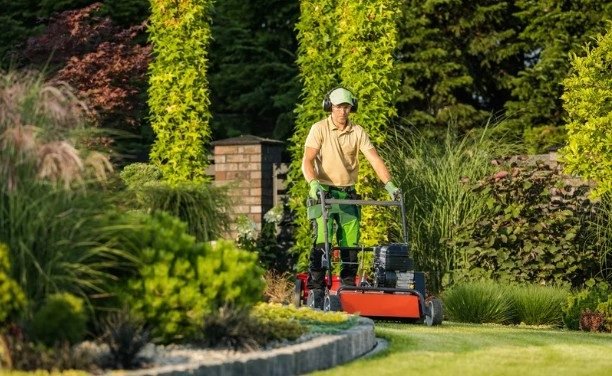
Summer is where Utah lawns prove whether the previous calendar was done well. July and August are not forgiving months. Heat stress, dry conditions, and inconsistent watering can expose weak spots quickly. Homeowners often assume the lawn just needs more water, but overwatering can create its own problems. The better question is whether the turf is being supported in a balanced, season-appropriate way.
This is also the period when pest pressure and root stress become more consequential. Lawngevity’s approach includes turf insect control and grub preventative treatments that protect the underground system, not just the visible blade. That distinction matters. A lawn can still look acceptable while root damage is quietly building underneath.
Why Late Summer Is a Test of Root Health
The best-looking lawns in July are not always the healthiest lawns. Some are simply masking stress. The real measure is whether the grass maintains resilience through the hottest stretch and can recover when conditions ease. Established root systems are what keep the lawn from collapsing in late summer.
September is the bridge back into recovery. Temperatures begin to moderate, and turf often responds with a second growth window. That makes early fall one of the most strategic times to reinforce the lawn. Fertilization, weed control, and grub prevention can all play a role in helping the lawn finish the season strong and enter winter in better shape.
For homeowners who prefer a more hands-on approach, Lawngevity’s DIY Lawn Weed & Feed program can be a practical middle ground. It gives homeowners professional-grade materials with step-by-step guidance, which is helpful if they want more control without losing the benefit of a structured plan.
October Through December: Finish Strong, Then Set Up Next Year
Fall is the most underestimated season in Utah lawn care. Many homeowners mentally check out once the weather cools, but the lawn is still working. October and November are ideal months to reinforce the root system, clean up lingering weed pressure, and prepare turf for winter dormancy. The work done here influences spring green-up more than people expect.
A fall lawn should not be treated as done. It should be treated as finishing its annual cycle. That means keeping the lawn healthy long enough to store energy, recover from summer wear, and enter winter with enough strength to emerge well next year. It also means protecting the yard from pests that may still be active around the home perimeter.
Lawngevity’s exterior foundation pest control service runs from March through November, which fits naturally into this seasonal logic. The goal is not just lawn appearance. It is whole-property protection that supports a cleaner, more controlled yard environment.
By December, the best move is restraint. Avoid unnecessary disturbance. Let the lawn settle into dormancy. Review the year honestly: Did the lawn struggle in heat? Was weed pressure persistent? Did bare spots return in the same areas? Those answers help shape the next year’s calendar before spring rushes in.
The Real Advantage Of Thinking In Seasons, Not Symptoms
The most effective lawn programs are not built around panic. They are built around sequence, timing, and local knowledge. That is especially true in Utah, where the calendar is short enough that missed windows matter and variable enough that guessing usually costs more than it saves.
A month-by-month plan does not eliminate every issue, but it dramatically improves the odds of a healthy lawn. It helps you feed the turf before it fades, treat weeds before they spread, and protect the root system before heat and insects do their worst. For homeowners who want that kind of consistency, Lawngevity offers a mature, locally grounded model built for the realities of the Wasatch Front.
The long-term takeaway is simple. Great lawns in Utah are no accident. They are the result of disciplined timing, seasonal awareness, and a plan that respects the climate instead of fighting it.