
Opening your monthly energy bill should not be a stressful experience. Yet, as energy prices fluctuate and extreme weather drives up heating and cooling needs, many homeowners find themselves paying more just to maintain a comfortable living space. You might be adjusting the thermostat constantly or turning off lights, but those small habits only go so far when your home’s infrastructure is wasting energy.
Top Upgrades for a More Efficient Home
Smart Thermostats
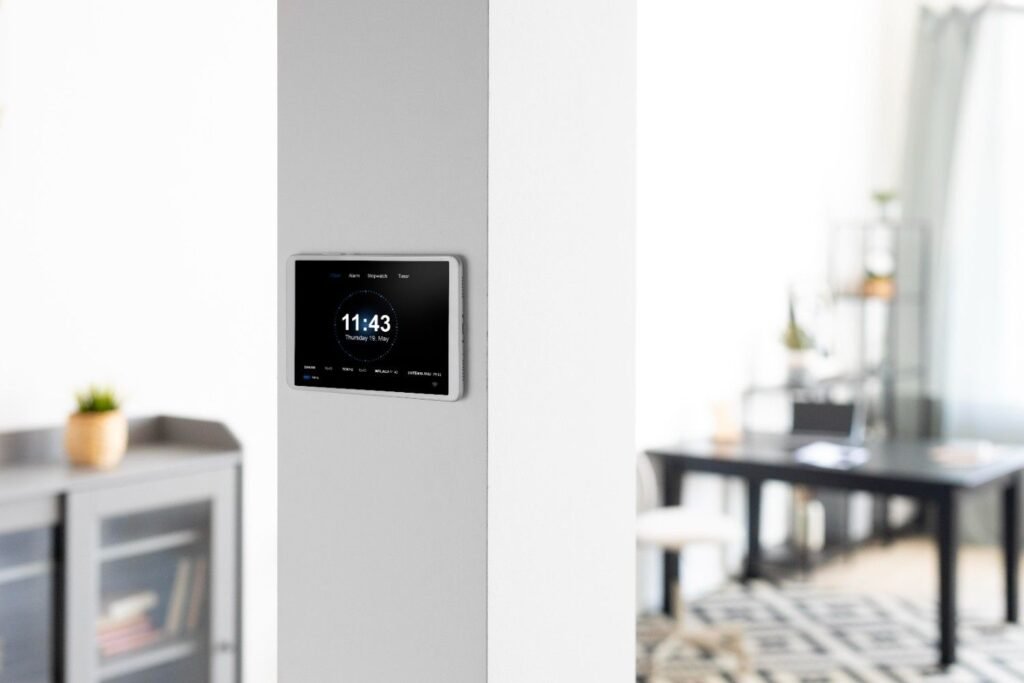
Heating and cooling account for a massive portion of the average home’s energy usage. A smart thermostat gives you precise control over this consumption. Unlike traditional models that maintain a single temperature until manually adjusted, smart thermostats learn your daily schedule. They automatically lower the heating or cooling when you leave for work and adjust it right before you return. Many models also allow you to control your HVAC system remotely via a smartphone app, ensuring you never waste money conditioning an empty house.
Improved Insulation
If your home is poorly insulated, your HVAC system has to work overtime to maintain a comfortable temperature. Heat naturally moves toward colder spaces. During the winter, the warmth from your heater escapes through the roof and walls. During the summer, outdoor heat forces its way inside. Upgrading your attic and wall insulation creates a strong thermal barrier. This traps the conditioned air inside your living areas, significantly reducing the workload on your heating and cooling equipment.
LED Lighting
Swapping out old incandescent light bulbs for LED lighting is one of the fastest and easiest upgrades you can make. Traditional bulbs waste a tremendous amount of energy by releasing heat rather than light. LEDs operate entirely differently, using up to 90% less energy to produce the same amount of brightness. They also last much longer, meaning you save money on both your monthly electric bill and the cost of replacement bulbs.
High-Efficiency Well Pumps
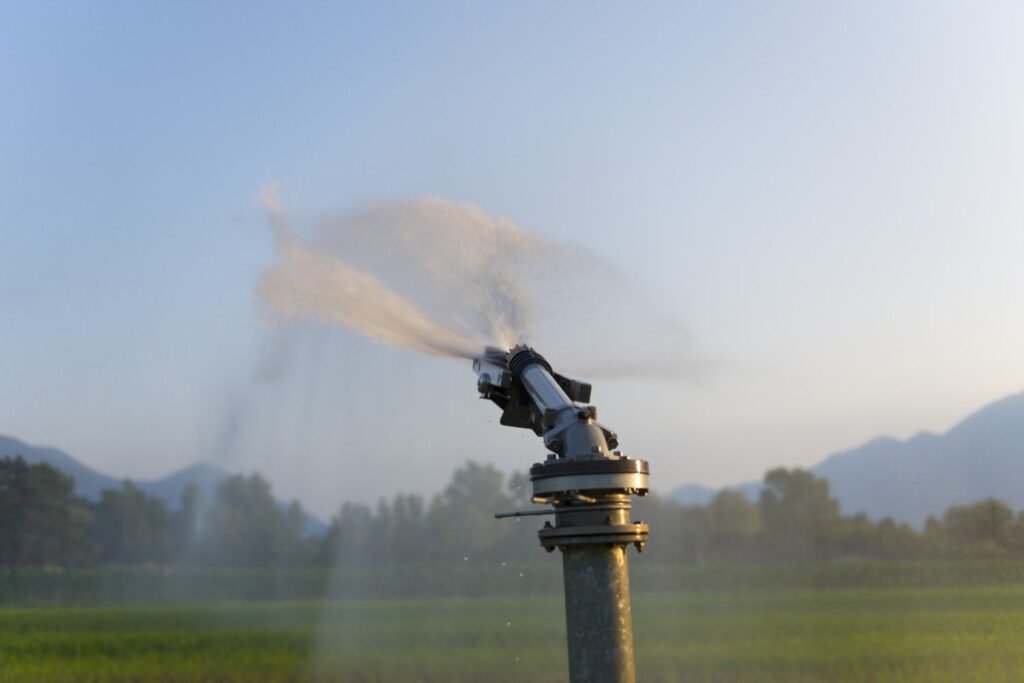
For homes that rely on well water, the pump is often a hidden source of massive energy consumption. Older, single-speed well pumps draw maximum power every time you turn on a faucet or run the washing machine. Upgrading to a modern, variable-speed well pump allows the system to adjust its energy use based on your actual water demand. This prevents the motor from running at full blast unnecessarily, leading to noticeable drops in electricity usage.
How These Upgrades Lower Utility Costs
The financial benefits of energy-efficient upgrades compound over time. Every kilowatt-hour of electricity or therm of natural gas your home saves translates directly into money kept in your bank account.
When you install a smart thermostat or upgrade your insulation, you physically reduce the amount of time your heating and cooling systems need to run. Shorter running cycles mean less electricity and gas consumed. Furthermore, reducing the strain on major appliances extends their operational lifespan. A furnace that runs efficiently will experience less wear and tear, saving you from expensive emergency repair bills and delaying the need for a total system replacement.
Upgrades like LED lighting and efficient water pumps tackle the “vampire” energy drains in your home. By ensuring that every appliance is using only the minimum amount of power required to perform its job, you stop paying for wasted, unused energy.
Tips for Choosing the Right Upgrades
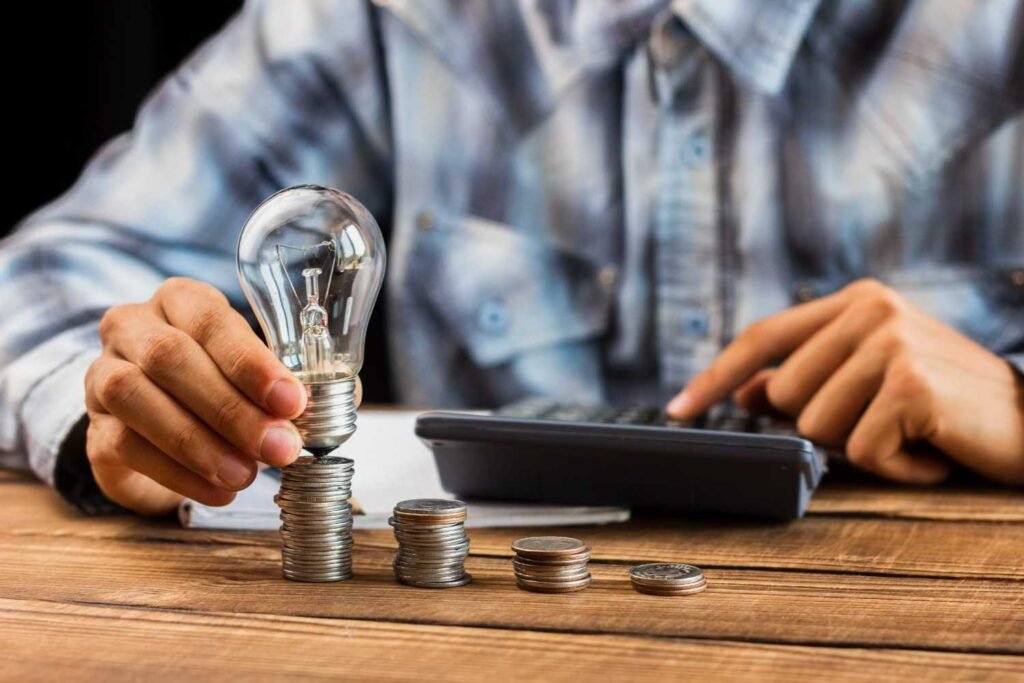
Deciding where to start can feel overwhelming, but a strategic approach will help you maximize your return on investment.
First, consider scheduling a professional home energy audit. An auditor will inspect your property, identify air leaks, check insulation levels, and tell you exactly where your home is losing energy. This removes the guesswork and helps you prioritize the most urgent home upgrades for comfort and efficiency.
Next, focus on the “low-hanging fruit.” Swapping your light bulbs to LEDs and installing a smart thermostat are relatively inexpensive projects that you can complete in a single weekend. Once those are done, you can begin planning for larger investments like new windows or upgraded insulation.
Finally, consider your specific property constraints and local resources. If your property relies on groundwater, upgrading your pump or consulting with professionals offering well-drilling services in Utah can help optimize your water system’s efficiency from the ground up. Always check with your local utility providers and government agencies as well, because many offer rebates and tax incentives that can drastically reduce the upfront cost of energy-efficient upgrades.
Conclusion
Transforming your house into an energy-efficient space is a highly rewarding process. You get to enjoy a more comfortable, draft-free living environment while simultaneously reducing your monthly financial burdens. Better yet, lowering your home’s energy consumption directly reduces greenhouse gas emissions, making these upgrades a win for both your personal finances and the environment. Simple steps like Natural Ways to Keep Your House Cool can also support energy savings without major renovations.