
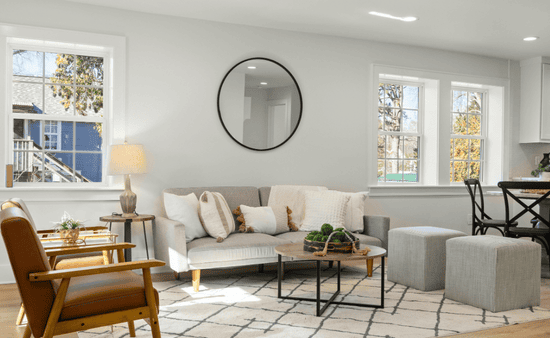
Your home should be a sanctuary, a comfortable place to unwind and recharge after a busy day. However, clutter, poor lighting, and a lack of designated quiet spaces can quickly turn a house into a source of stress. Designing a tranquil living environment does not require a massive renovation budget or an interior design degree. By making a few intentional changes, you can completely shift the energy of your living space.
Cultivating a peaceful atmosphere involves engaging your senses and removing visual distractions. From the colors on your walls to the way you arrange your furniture, every small detail contributes to the overall mood. If you find it difficult to truly relax in your own house, making some targeted adjustments can help restore balance and calm.
1. Clear the Clutter

Visual clutter translates directly to mental clutter. When every surface is covered with mail, gadgets, or unorganized items, your brain constantly processes that information, making it difficult to fully relax.
Start by tackling one room at a time. Implement storage solutions like baskets, floating shelves, and hidden compartments to keep everyday items out of sight. Keep your kitchen counters clear of appliances you rarely use, and ensure your bedroom nightstands are tidy. A minimalist approach to your physical surroundings will immediately create a sense of breathing room.
2. Optimize Your Lighting
Harsh, bright overhead lighting can feel abrasive and clinical, making it hard to wind down in the evening. Lighting plays a crucial role in regulating your circadian rhythm and setting the mood for relaxation.
Swap out cool-toned LED bulbs for warmer, softer options. Layer your lighting by using floor lamps, table lamps, and wall sconces instead of relying solely on ceiling fixtures. Adding dimmer switches allows you to adjust the brightness depending on the time of day, helping your eyes and mind transition smoothly into a restful evening.
3. Bring Nature Indoors
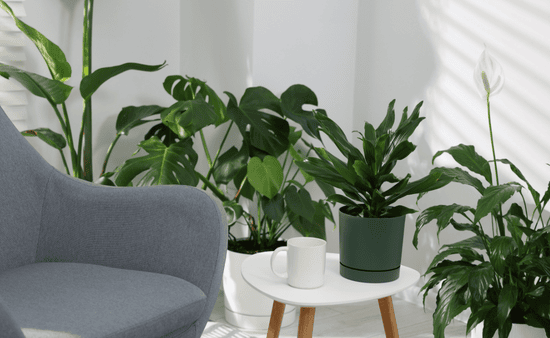
Integrating elements of the natural world into your interior design is a proven way to reduce anxiety and promote calmness. Houseplants not only purify the air but also add a vibrant touch of life to dull corners.
Low-maintenance plants like snake plants, pothos, or peace lilies are excellent additions for any room. If you lack a green thumb, consider displaying fresh flowers, using wooden furniture, or incorporating stone accents. Even maximizing natural sunlight by keeping window treatments light and airy can bridge the gap between the indoors and the outdoors.
4. Transform Your Outdoor Space
A wellbeing-focused home environment extends beyond the interior walls. Your backyard or patio holds immense potential as a private retreat. Creating an inviting outdoor living area encourages you to spend more time outside, which is naturally grounding.
Consider adding comfortable seating, a small fire pit, or a water feature to create a soothing ambiance. Water elements are particularly effective for relaxation. For instance, homeowners wanting to elevate their property might explore swimming pool construction in Utah to design a custom aquatic escape right in their backyard. The sound of rippling water and the ability to float weightlessly can serve as the ultimate stress reliever.
5. Choose a Calming Color Palette

Colors have a profound psychological impact on how we feel in a space. Bright, highly saturated colors like red or neon green are energizing, but they can be counterproductive when you are trying to relax.
Opt for neutral tones and soft hues inspired by nature. Sage greens, pale blues, warm taupes, and muted grays work exceptionally well in bedrooms and living rooms. These gentle colors absorb harsh light and provide a restful backdrop that allows your mind to settle.
6. Engage the Senses with Aromatherapy
A truly relaxing environment appeals to all five senses, and scent is strongly tied to emotion and memory. Lingering odors from cooking or pets can be distracting, while pleasant aromas can instantly soothe the nervous system.
Introduce essential oil diffusers, scented candles, or incense into your daily routine. Lavender, chamomile, and sandalwood are widely recognized for their relaxing properties. Eucalyptus or citrus scents can be used in bathrooms to create a spa-like experience.
Fostering a Peaceful Atmosphere
Designing a serene home is an ongoing process of refining your space to support your well-being. By managing clutter, adjusting your lighting, integrating nature, and paying attention to color and scent, your house will naturally transform into a restorative haven. Evaluating how each room makes you feel and making subtle adjustments will ensure your home remains a source of comfort and tranquility.