
Achieving fitness goals takes more than just hard work during exercise. What you consume after training plays a critical role in how your body recovers and adapts. The right post-workout nutrition replenishes energy, reduces muscle soreness, and accelerates growth. This guide explores the science-backed best foods for post-workout recovery to help you maximize your overall effort.
The Science of Post-Workout Nutrition
To fully grasp the importance of eating after exercise, it helps to understand what happens to your body during a workout. Physical activity stresses your muscles and depletes your energy stores, making proper recovery an absolute necessity.
Glycogen Replenishment
During exercise, your body taps into its glycogen stores for fuel. Glycogen is the stored form of glucose, primarily found in your liver and muscles. High-intensity workouts can deplete these stores significantly. Consuming the right foods after a workout helps rapidly replenish these energy reserves, ensuring you are ready for your next training session without feeling fatigued or drained.
Muscle Protein Synthesis
Exercise, particularly resistance training, creates micro-tears in your muscle fibers. Muscle protein synthesis is the naturally occurring process where protein is produced to repair these tiny tears. Providing your body with adequate nutritional resources directly after a workout gives it the raw materials needed to rebuild those fibers, leading to increased muscle mass and greater strength over time.
Reducing Inflammation and Oxidative Stress
Intense physical activity can cause temporary inflammation and oxidative stress in the body. While a certain level of inflammation is necessary for muscle growth and repair, prolonged or excessive inflammation can delay recovery. Consuming foods rich in antioxidants and anti-inflammatory compounds helps mitigate this stress, speeding up the recovery timeline and reducing delayed onset muscle soreness.
Essential Macronutrients for Recovery
A well-rounded post-workout meal should include a balance of specific macronutrients. Each plays a distinct role in getting your body back to peak condition.
High-Quality Proteins
Lean meats and poultry offer dense, highly bioavailable protein sources that digest relatively quickly. Fish and seafood provide excellent protein alongside beneficial omega-3 fatty acids. Dairy products contain both fast-digesting whey and slow-digesting casein proteins, offering a steady stream of amino acids. For those avoiding animal products, plant-based proteins like lentils, chickpeas, tofu, and edamame are incredibly effective for facilitating muscle repair.
Complex Carbohydrates
Carbohydrates are responsible for recharging your energy levels by restoring depleted glycogen. Choosing complex carbohydrates ensures a steady release of energy rather than a sudden spike and crash.
Whole grains such as brown rice, quinoa, and oats deliver sustained energy alongside dietary fiber. Fruits offer readily available carbohydrates with the added benefit of antioxidants and vitamins. Starchy vegetables, including sweet potatoes and butternut squash, provide dense, nutrient-rich carbohydrates that support rapid glycogen replenishment.
Healthy Fats
While fats slow down the digestion of your post-workout meal, they remain a vital component of a balanced diet and support overall health and hormone production.
Avocados provide heart-healthy monounsaturated fats and essential vitamins. Nuts and seeds offer a great mix of healthy fats, protein, and micronutrients. A light drizzle of olive oil over your vegetables or grains can boost your intake of anti-inflammatory compounds, aiding in the overall recovery process.
Optimal Timing and Portions
Understanding when to eat and how much to consume can significantly impact how efficiently your body bounces back from a strenuous session.
The Anabolic Window
For years, fitness circles emphasized the concept of the “anabolic window,” suggesting that you must consume protein and carbohydrates within thirty minutes of finishing a workout to see any benefits. Current research indicates that this window is actually much wider. While eating a meal within a few hours of training is highly beneficial, your total daily protein and calorie intake matters most for long-term recovery and muscle growth.
Balancing Macronutrients
A general guideline for post-workout nutrition is to consume a ratio of carbohydrates to protein that matches your workout intensity. A standard ratio is three parts carbohydrates to one part protein for endurance training, while a one-to-one or two-to-one ratio works well for strength and resistance training. Tailoring these portions to your specific body weight and fitness goals ensures you get exactly what you need without overeating.
Hydration
Water is the most overlooked component of post-workout recovery. You lose vital fluids and electrolytes through sweat during exercise. Rehydrating properly is essential for optimal muscle function, joint lubrication, and nutrient transport. Drinking water before, during, and after your workout keeps your physiological systems operating smoothly and prevents recovery delays.
Top Recovery Foods to Incorporate

Knowing the science is helpful, but applying it to your daily meals is where the real results happen. Here are some of the best foods to include in your post-workout routine.
Greek Yogurt with Berries
Greek yogurt is packed with high-quality protein, offering almost double the amount found in regular yogurt. Pairing it with a handful of mixed berries provides a quick source of carbohydrates and a massive dose of antioxidants to combat exercise-induced oxidative stress.
Chicken Wrap With Veggies
A whole-wheat wrap filled with lean chicken breast and fresh vegetables is a highly portable and balanced option. If you ever find yourself craving something satisfying after a long run or heavy lifting session, you might even look for local options like grilled chicken wraps in Madison, WI, to get that perfect mix of lean protein and complex carbohydrates on the go.
Salmon with Quinoa and Vegetables
Salmon is an absolute powerhouse for recovery, delivering an abundance of protein and anti-inflammatory omega-3 fatty acids. Serving it alongside quinoa—a complete plant protein and complex carbohydrate—and steamed vegetables creates a nutrient-dense meal that covers all your recovery bases.
Eggs and Whole-Wheat Toast
Eggs are often considered the gold standard for protein quality because they contain all nine essential amino acids in the optimal ratios. Eating a couple of whole eggs with a slice or two of whole-wheat toast provides the necessary protein for muscle repair and the carbohydrates needed to restock glycogen.
Protein Smoothies with Fruit and Spinach
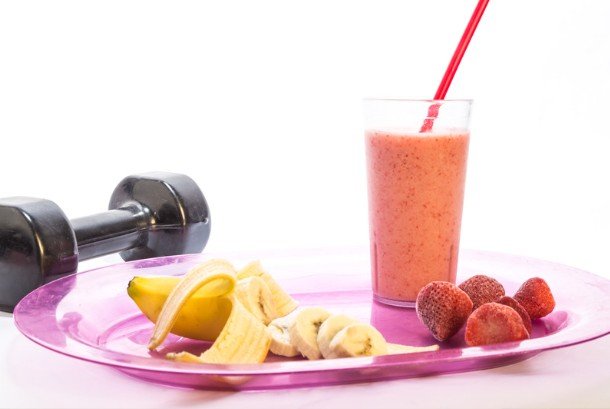
For those who struggle to eat solid food immediately after training, liquid nutrition is an excellent alternative. Blending a scoop of protein powder with a banana, a handful of spinach, and some almond milk delivers a fast-digesting, nutrient-packed meal that requires minimal preparation.
Cottage Cheese with Fruit
Cottage cheese is incredibly rich in casein protein, which digests slowly and provides a steady supply of amino acids to your muscles over several hours. Mixing it with pineapple or peaches adds necessary carbohydrates and makes for a delicious, sweet, and savory recovery snack.
Foods to Avoid After Workouts
Just as certain foods can accelerate your progress, others can severely hinder it. Knowing what to leave off your plate is equally important.
Sugary Snacks and Drinks
While you need carbohydrates to replenish energy, relying on refined sugars from candy, pastries, or soda can lead to a rapid spike in blood sugar followed by a harsh crash. These foods lack the essential vitamins, minerals, and fiber your body desperately needs during the recovery phase.
High-Fat, Processed Foods
Fast food, fried items, and heavily processed meals are loaded with unhealthy trans fats and excessive sodium. These foods can drastically slow down the digestion and absorption of the proteins and carbohydrates you actually need, while also promoting unwanted inflammation throughout the body.
Alcohol
Consuming alcohol after a workout disrupts the recovery process on multiple levels. It impairs muscle protein synthesis, interferes with glycogen replenishment, and contributes to severe dehydration. Skipping the post-workout drinks ensures your body can focus entirely on repairing and rebuilding.
Conclusion
Mastering post-workout nutrition is a crucial cornerstone of any successful fitness regimen. By prioritizing nutrient-dense foods that support glycogen replenishment and muscle repair, you can significantly enhance your recovery. Consistency remains key. Making informed dietary choices after every session contributes to long-term gains and a healthier, highly resilient physical body.