
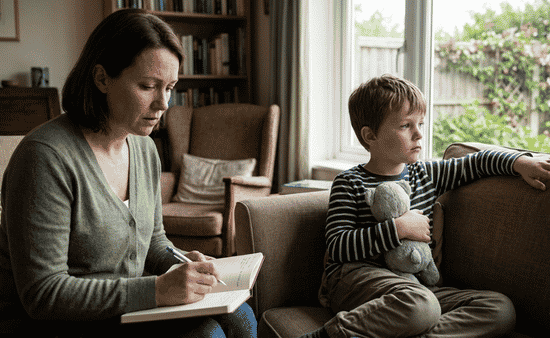
Children express emotions and behaviors in unique ways as they grow. Some patterns reflect normal development, while others raise concern when they appear persistent or extreme. Careful observation helps distinguish between temporary misbehavior and deeper emotional challenges.
Clear awareness of the signs of a child sociopath can guide caregivers toward timely support. These signs do not confirm a diagnosis on their own, yet they highlight patterns that require attention. Early recognition creates an opportunity to address concerns before they become deeply rooted.
Recognize Emotional Detachment and Lack of Empathy

Key Emotional Indicators
- Limited or absent guilt after hurting others, even when consequences are explained clearly.
- Difficulty forming genuine emotional connections with peers or family members.
- Indifference toward others’ pain or distress, even in serious situations.
- Superficial charm that feels calculated rather than sincere.
A child may occasionally struggle with empathy during early development. Consistent emotional detachment, however, signals a deeper concern that deserves careful evaluation. Patterns that persist across different settings, such as home and school, indicate a need for closer attention.
Identify Persistent Manipulative or Deceptive Behavior
Behavioral Red Flags
- Frequent lying without a clear purpose or benefit.
- Manipulating situations to avoid responsibility or gain control.
- Blaming others even when evidence suggests otherwise.
- Displaying calculated behavior to achieve personal goals.
Children experiment with truth and boundaries as they learn social rules. A consistent pattern of manipulation and deceit reflects something more complex than typical childhood behavior. Caregivers should look for repetition and intent rather than isolated incidents.
Understand Aggression Without Remorse

Aggression can appear in many forms, including physical harm, verbal cruelty, or destruction of property. Some children act out during frustration, yet they usually show regret once calm returns. A child who shows no remorse after causing harm presents a concerning pattern.
Such behavior may include deliberate actions aimed at causing pain or distress. Lack of emotional response afterward sets this apart from impulsive reactions. Repeated incidents of this nature warrant professional evaluation to understand underlying causes.
Evaluate Difficulty with Rules and Authority
Children test limits as part of healthy growth, yet consistent defiance goes beyond typical boundary-pushing. A child displaying chronic disregard for rules, even after clear consequences, may struggle with deeper behavioral regulation. Authority figures may find it challenging to establish structure.
Patterns such as repeated rule-breaking, refusal to accept consequences, and a tendency to challenge authority figures highlight the need for intervention. When these behaviors align with other concerns, they strengthen the case for professional guidance. Observing the signs of a child sociopath across different environments adds clarity to the situation.
Know When to Seek Professional Help
Professional support becomes essential when concerning behaviors persist over time and disrupt daily life. A mental health specialist can assess emotional patterns, family dynamics, and environmental influences. Early consultation helps create a structured improvement plan.
Caregivers should seek help when behaviors escalate in intensity or frequency. Clear communication with teachers and caregivers provides valuable insight into patterns across settings. Prompt action offers the best chance to guide the child toward healthier emotional development.
Early awareness plays a vital role in addressing complex behavioral patterns in children. Consistent signs that affect relationships and emotional growth require careful attention and expert input. Timely support can lead to meaningful progress and improved well-being for the child and family.