
Every growing company eventually faces a significant spatial challenge. As inventory expands, paperwork accumulates, and new equipment arrives, the physical footprint of the workplace starts to shrink.
Cluttered workspaces do more than just look messy. They slow down daily operations, increase the risk of lost items, and create safety hazards for employees navigating the floor.
Improving storage efficiency is a highly practical way to boost productivity. By rethinking how items are organized and stored, companies can reclaim valuable square footage without the high costs of moving to a larger facility. A well-organized environment allows staff to find exactly what they need immediately, reducing downtime and frustration.
If your workspace is feeling cramped, a few strategic adjustments can make a massive difference. Here are five effective methods to optimize your commercial space.
Maximize Your Available Space
Creating a more efficient storage system requires a mix of smart planning, utilizing the right equipment, and maintaining consistent organizational habits.
1. Conduct a Thorough Inventory Audit
Before buying new shelving or reorganizing the warehouse, you must understand exactly what you are storing. Set aside time to conduct a comprehensive audit of all inventory, supplies, and equipment. Categorize items based on how frequently they are used.
During this process, identify obsolete electronics, expired products, or redundant physical records that you can discard or recycle. Removing items that no longer serve the business immediately frees up premium space for the materials your team actually uses on a daily basis.
2. Maximize Vertical Real Estate
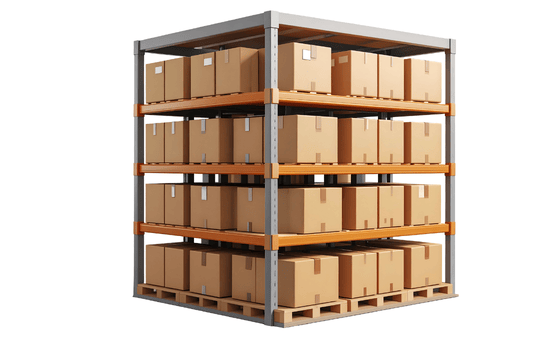
Many organizations run out of floor space while leaving thousands of cubic feet of vertical space empty. Look up at your ceilings and assess whether you can install taller shelving units or racking systems.
High-density storage solutions allow you to stack goods safely. Place the heaviest and most frequently accessed items on the lower shelves to ensure workplace safety and efficiency.
Store seasonal items, archived documents, and lightweight backstock on the highest tiers. Just be sure to invest in the proper ladders or step stools so staff can access these items safely.
3. Transition to Digital File Management
Paper files take up an enormous amount of room. Rows of filing cabinets quickly consume entire offices that could otherwise be used for desks or meeting areas. Transitioning to a digital document management system is a highly effective way to reclaim this space.
Scan important contracts, invoices, and employee records into a secure, cloud-based server. Once the digital copies are backed up and properly encrypted, you can safely shred the physical documents. This not only clears out bulky furniture but also makes searching for specific files much faster for your administrative team.
4. Expand with Durable Exterior Solutions

Sometimes, interior optimization is simply not enough to handle a growing inventory. When the indoor footprint is fully maximized, businesses need to look outward. Expanding storage capacity outdoors is often far more cost-effective than leasing an entirely new commercial property.
For storing bulky machinery, overflow retail stock, or landscaping equipment, a secure outdoor structure is an excellent choice. For example, adding a metal portable building in Lake Charles, LA, provides a weather-resistant, durable space that keeps valuable assets safe from the elements and theft.
These standalone structures can be placed conveniently on the property to keep essential goods accessible without crowding the main operational floor.
5. Optimize Layout and Accessibility
The physical layout of your storage area dictates how efficiently your team can work. Adopt an organizational framework like the ABC analysis method.
“A” items are high-priority goods accessed daily; place these near the front of the storage room or warehouse at waist height. “B” items are accessed moderately and can be stored further back. “C” items are rarely used and belong on the highest shelves or in the deepest corners of the facility.
Ensure that aisles are wide enough for employees to move carts or pallet jacks without obstruction. Clear labeling on every shelf, bin, and box ensures that anyone can find an item or restock a shelf without having to ask for directions.
Streamlining Your Storage Strategy
An efficient storage system requires ongoing maintenance to remain effective. As the business evolves, inventory levels and operational needs will inevitably shift. Schedule biannual reviews of your storage layout to ensure the system still aligns with your daily workflow.
By consistently auditing inventory, utilizing vertical space, and incorporating smart exterior solutions, your facility will remain organized, safe, and ready to support continuous growth.