

Your outdoor area holds incredible potential, even if it currently feels a bit lackluster. Many homeowners assume that upgrading a yard or patio requires a massive budget, heavy machinery, and weeks of disruptive construction. Fortunately, you can dramatically improve the look and feel of your exterior spaces through a series of thoughtful, minor adjustments.
Enhancing Curb Appeal with Minimal Effort
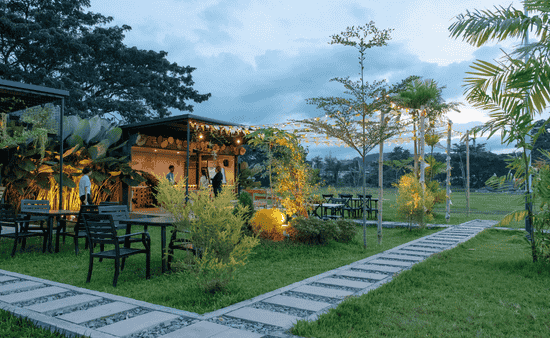
First impressions matter. The front of your home sets expectations for the rest of the property. You can easily elevate this area with a few targeted improvements.
Quick fixes for front yards
Start by evaluating your front door. A fresh coat of paint in a bold, welcoming color creates an immediate focal point. Pair this with updated house numbers and a clean, modern mailbox to instantly modernize your home’s facade. Next, focus on the walkways. Sweeping away debris and adding a few potted flowers near the entryway introduces vibrant color and a sense of life to the approach.
The magic of strategic lighting
Lighting completely changes how your home looks after the sun goes down. Solar-powered path lights are inexpensive and easy to install along walkways or garden beds. Wall-mounted sconces near the door add warmth and security. For an inviting glow, drape string lights across the front porch ceiling or wrap them around a prominent tree near the entrance.
Creating Cozy Nooks and Relaxation Zones
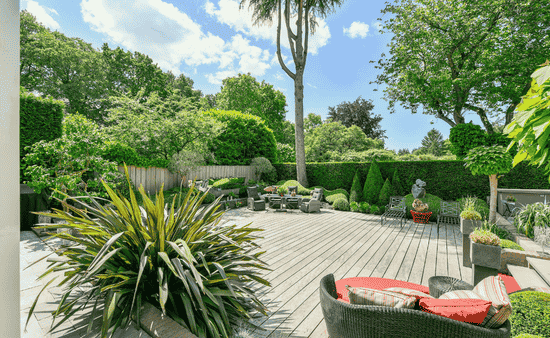
You do not need sprawling acreage to create a comfortable outdoor living area. A thoughtful approach to layout and furnishings makes any space feel intentionally designed.
Making the most of limited space
Small patios and apartment balconies often go unused because they feel cramped. Maximize these areas by utilizing vertical space and choosing multi-functional furniture. A storage bench provides a place to sit while hiding gardening tools or extra cushions. Foldable bistro tables offer a spot for morning coffee but can be tucked away to free up floor space later in the day.
The role of comfortable seating and textiles
Hard wooden or metal chairs rarely encourage lingering. Upgrade your seating with thick, weather-resistant cushions. Introduce outdoor rugs to define the seating area and add a layer of texture underfoot. Throw pillows and lightweight blankets invite guests to settle in and get comfortable as the evening air cools down.
Incorporating Greenery and Natural Elements
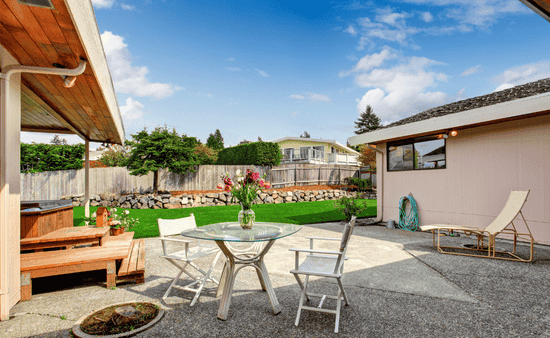
Plants breathe life into any environment. Introducing different types of foliage and natural textures creates a dynamic, visually interesting yard.
Container gardening and vertical gardens
If your soil quality is poor or you lack ground space, container gardening is an excellent solution. Group pots of varying heights and sizes to create a lush, layered look. Vertical gardens work beautifully on bare walls or fences. Hang planters or use a tiered plant stand to grow herbs, trailing vines, or colorful annuals without sacrificing floor space.
The aesthetic and functional benefits of rocks
Mulch and ground covers play a huge role in the overall look of your garden beds. Swapping traditional wood mulch for black lava rock in Salt Lake City provides a striking, modern contrast against green foliage. This durable material retains soil moisture, suppresses weed growth, and does not need to be replaced every season, making it a highly functional choice for low-maintenance landscaping.
Attracting local wildlife
A healthy garden supports the local ecosystem. Hang a simple bird feeder or a shallow birdbath to invite local species into your yard. Plant pollinator-friendly flowers, such as lavender or coneflowers, to attract bees and butterflies. Watching wildlife interact with your garden adds a deeply rewarding layer of enjoyment to your outdoor space.
Personalizing Your Outdoor Oasis
Your yard should reflect your personality, much like the interior of your home. Transform your yard by injecting unique character into your outdoor design, making the space truly yours.
DIY decor projects

Roll up your sleeves and create custom pieces for your patio. You can build a simple wooden planter box using reclaimed wood, or paint plain terracotta pots with geometric patterns. Upcycling old furniture, such as turning a vintage ladder into a rustic plant stand, adds charm and reduces waste.
Adding personal touches with art and accessories
Outdoor art is an often-overlooked design element. Hang a weather-resistant canvas, a metal wall sculpture, or a decorative mirror on a bare fence to create a focal point. Wind chimes, colorful ceramic garden stools, and unique yard ornaments add personality and visual interest to quiet corners of the garden.
Sustainable Practices for an Eco-Friendly Space
Beautiful outdoor spaces can also be environmentally responsible. Adopting sustainable habits reduces your utility bills and benefits the local ecosystem.
Water conservation tips
Watering your garden efficiently saves resources. Install a rain barrel beneath your downspouts to collect runoff for your plants. Grouping plants with similar watering needs together ensures you do not overwater drought-tolerant species. Watering early in the morning reduces evaporation, allowing moisture to reach the roots effectively.
Choosing native plants
Native plants naturally thrive in your local climate. Because they have adapted to the region’s specific soil and weather conditions, they require significantly less water and fertilizer than exotic species. Research the native flora in your area and incorporate these resilient plants into your garden beds for a lush, low-maintenance landscape.
Conclusion
Transforming your outdoor space does not require a massive overhaul. By focusing on small, intentional changes like fresh lighting, comfortable textiles, and sustainable greenery, you can create a beautiful and functional retreat. Pick one or two projects from this guide to tackle this weekend. Soon, you will have an inviting outdoor oasis that you, your family, and your guests will love spending time in.