
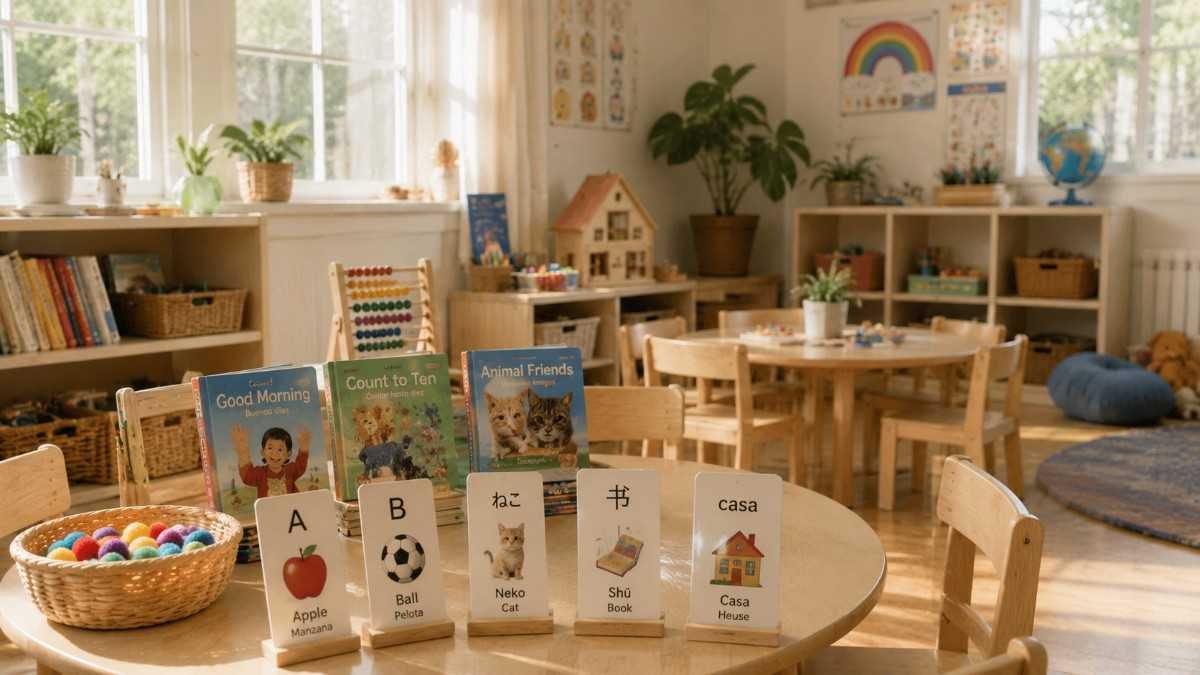
Watching a child acquire a new language is a remarkable process. Young brains absorb vocabulary, grammar structures, and distinct phonetic sounds with an ease that most adults can only envy. This linguistic journey shapes their cognitive development in profound ways.
Learning a second language early in life alters the neural pathways of a developing brain. Children who navigate multiple languages engage in mental gymnastics daily. They constantly switch between different rules, vocabularies, and cultural contexts. This constant mental exercise builds a foundation for numerous abilities that extend far beyond simple translation.
Understanding these developmental advantages highlights why early language education is so highly valued. As children progress from babbling to fluent conversation in a second tongue, they simultaneously build a toolkit of crucial life skills. Here are nine distinct abilities children develop through language learning.
Cognitive and Academic Advantages
Language acquisition provides a significant boost to a child’s mental processing capabilities. These cognitive benefits often translate directly to academic success, reduce academic stress and advanced critical thinking.

1. Enhanced Problem-Solving
Navigating two languages requires a child to constantly decipher meaning and context. When they encounter an unfamiliar word, they must use contextual clues to figure out its meaning. This continuous practice strengthens their deductive reasoning, allowing them to approach complex problems from multiple angles.
2. Improved Memory Function
Learning a new language heavily relies on memorization and recall. Children must remember grammar rules, vast vocabularies, and correct pronunciations. This rigorous mental workout strengthens their memory capacity overall. Bilingual children often show superior performance in remembering lists, sequences, and directions compared to their monolingual peers.
3. Advanced Multitasking Abilities
People who speak multiple languages are used to rapidly switching between different linguistic systems. This fluid transition trains the brain to manage multiple tasks simultaneously. Children exposed to dual languages can seamlessly pivot from one activity to another without losing focus.
4. Better Focus and Concentration
To successfully communicate in a second language, a child must block out irrelevant information and focus entirely on the conversation at hand. This selective attention improves their overall concentration. They become better at ignoring distractions, a skill that proves incredibly useful in busy classroom environments. It keeps kids active and away from screens.
Social and Emotional Growth
Beyond brainpower, language learning profoundly impacts how children interact with the world and understand the people around them.
5. Greater Cultural Empathy
Language and culture are deeply intertwined. Learning how other people speak naturally introduces children to new traditions, perspectives, and ways of life. For instance, children attending a spanish immersion preschool in San Antonio experience early exposure to a rich cultural environment, helping them develop a natural appreciation and respect for diversity.
6. Stronger Communication Skills
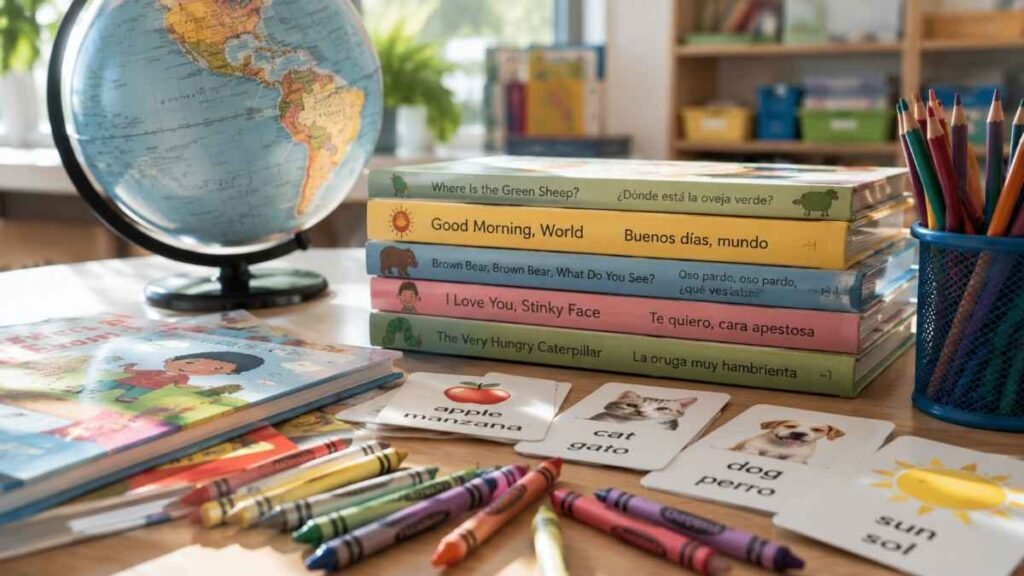
It might seem obvious, but learning a second language greatly improves a child’s grasp of their first language. By studying the mechanics of a new language, they become more aware of sentence structure, grammar, and syntax. This heightened linguistic awareness makes them more effective and articulate communicators overall.
7. Heightened Creativity
Bilingual children frequently need to find alternative ways to express themselves when they lack a specific vocabulary word. This forces them to think outside the box and use language creatively. They learn to describe concepts using the words they do know, fostering a highly creative approach to communication and self-expression.
8. Increased Adaptability
Entering a new linguistic environment teaches children how to adapt to unfamiliar situations. They learn to navigate conversations where they might not understand every single word, relying on non-verbal cues and context. This builds a professional portfolio before graduation, resilience, and makes them more adaptable to change and new environments.
9. Boosted Self-Confidence
Mastering a new skill provides a massive boost to a child’s self-esteem. As they progress from learning basic words to holding full conversations, they experience a deep sense of accomplishment. This confidence spills over into other areas of their life, encouraging them to take on new challenges with a positive mindset.
Fostering a Lifelong Love of Learning
The benefits of early language acquisition clearly extend far beyond the ability to converse in a different tongue. By building strong cognitive networks, fostering emotional intelligence, and enhancing social adaptability, language learning prepares children for a diverse and complex world. Parents and educators looking to support this growth can integrate bilingual books, music, or community programs into a child’s daily routine, setting the stage for a lifetime of curiosity and exploration.