
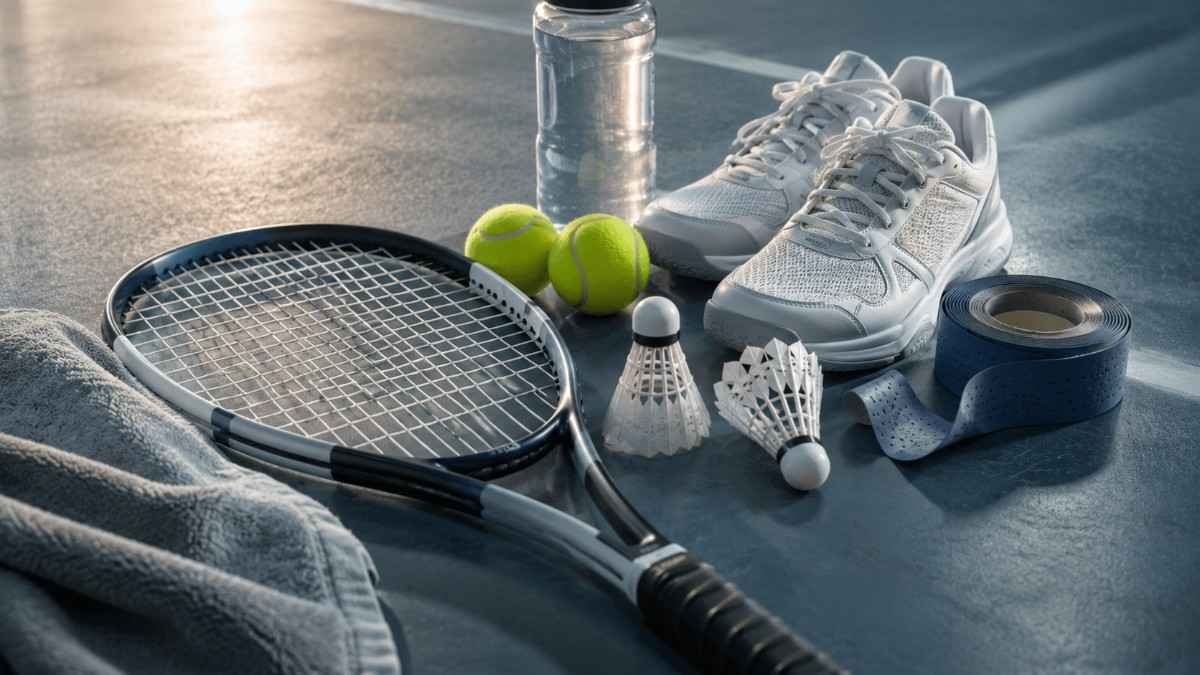
Racket sports provide a rewarding combination of fun, physical fitness, and social interaction. They are accessible to people of all ages and skill levels, whether you prefer casual play or competitive leagues.
Choosing Your Racket Sport
Before you start swinging, you need to decide which game suits you best. The most popular options for beginners include badminton, table tennis, tennis, and pickleball. Each offers a unique experience and learning curve.
When making your choice, consider the space and equipment you have available. Table tennis requires very little room and can be played indoors year-round. Tennis demands access to a full-sized court and requires a bit more running. You should also think about the physical demands. Badminton involves explosive jumping and quick reflexes, while other games might offer a steadier pace. Finally, consider if you prefer a highly social doubles match or an intense one-on-one singles game.
Essential Gear for Beginners
Having the right equipment makes learning much more enjoyable. You do not need to spend a fortune, but a few key items will set you up for success.
Selecting the Right Racket
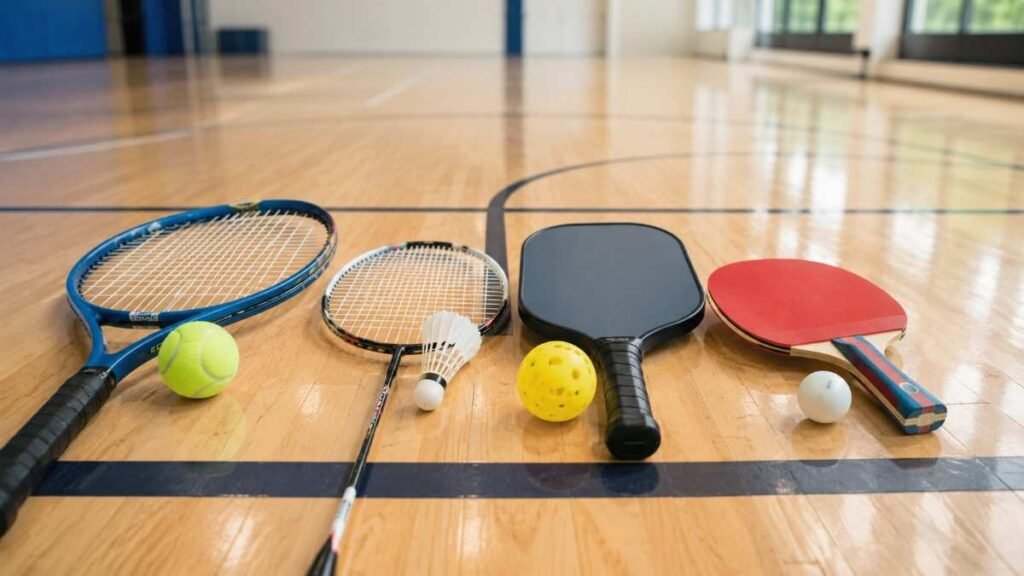
Your racket is an extension of your arm. Look for a grip size that allows your fingers to wrap comfortably around the handle without overlapping. Beginners usually benefit from a lighter racket with an even balance, as this makes it easier to control your swings and reduces arm fatigue.
Appropriate Footwear
Good shoes are non-negotiable. Racket sports require rapid side-to-side movements and sudden stops. Invest in court shoes like Nike Netcon Training shoes that provide solid lateral support and feature non-marking soles to protect the playing surface.
Clothing and Accessories
Wear breathable, comfortable athletic clothing that allows for a full range of motion. Keep a water bottle handy to stay hydrated. You might also want to buy extra balls or shuttles, along with replacement grip tape to keep your hands from slipping when you sweat.
Fundamental Techniques for All Racket Sports
While every game has its own specific rules, several foundational skills apply across the board.
Grip Basics
How you hold the racket dictates your control. Most sports utilize a basic forehand grip (often called the “shakehands” grip) and a backhand grip. Practice switching between the two smoothly so you are always ready for the next shot.
Stance and Footwork
Great players move well before they even hit the ball. Adopt a ready position with your knees slightly bent, weight on the balls of your feet, and your racket held up in front of you. Focus on taking small, quick steps to adjust your positioning rather than large, lunging strides.
Basic Swing Mechanics
A successful swing relies on a consistent contact point. Try to meet the ball or shuttle in front of your body. After you make contact, allow your arm to follow through naturally in the direction you want the shot to go. Practice these mechanics slowly before adding power.
Sport-Specific Beginner Drills
To build muscle memory, you need targeted practice. Here are a few essential drills for two highly popular beginner sports.
Tennis Training
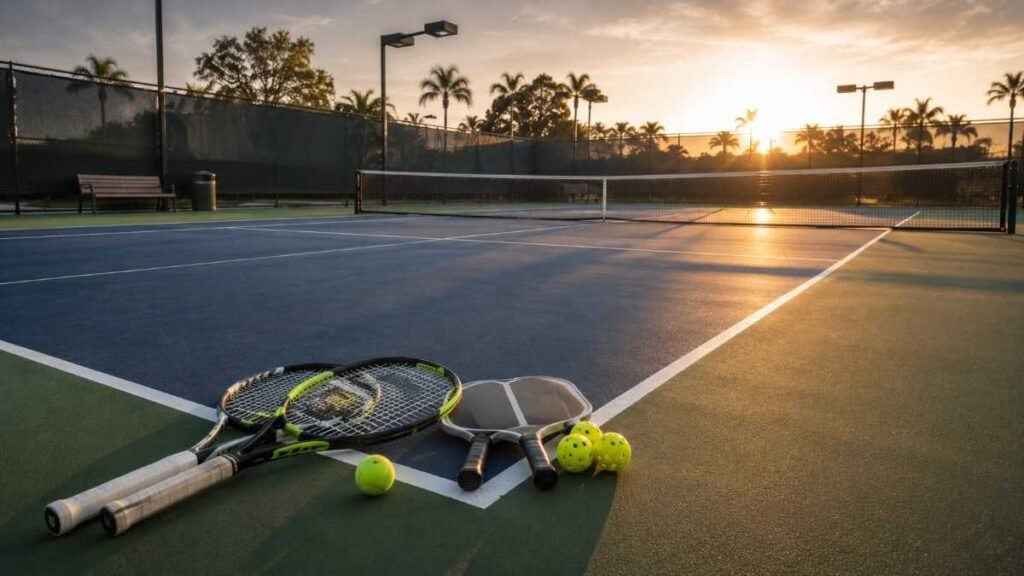
Start by mastering the forehand groundstroke. Have a partner gently toss balls to your dominant side while you practice stepping into the shot and swinging low to high. Next, practice basic volleys by standing near the net and blocking the ball with a firm, compact motion. Finally, spend time practicing your serve toss, aiming to release the ball consistently at the same height.
Badminton Basics
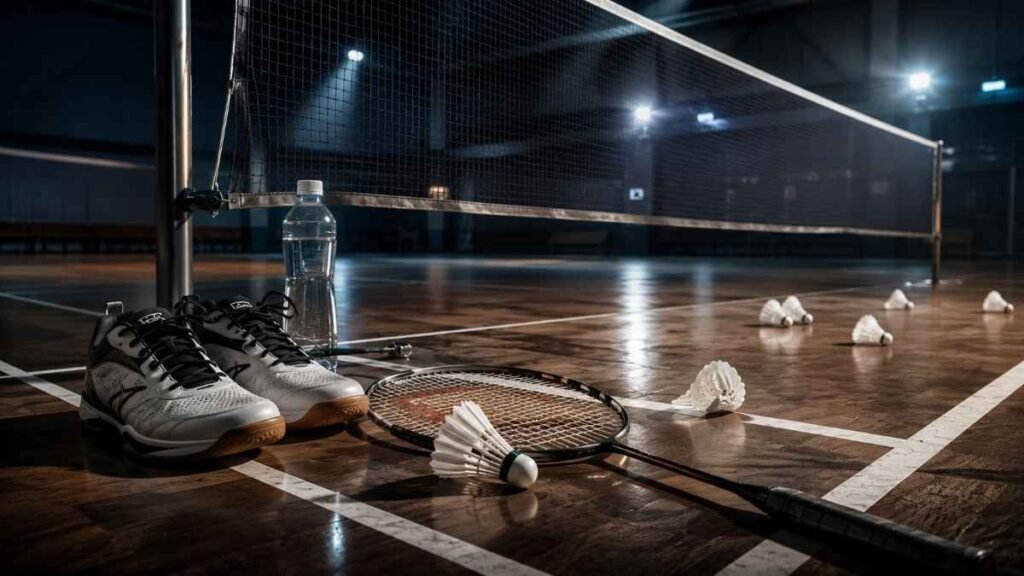
Begin with the overhead clear. This shot sends the shuttle high and deep into your opponent’s court, buying you time to recover. Once you feel comfortable with the clear, practice the drop shot, tapping the shuttle gently so it falls just over the net. Do not forget to practice your underhand serve, focusing on accuracy rather than speed.
The Importance of Warm-up and Cool-down
Skipping your warm-up is a quick way to pull a muscle. Always spend five to ten minutes preparing your body for action.
Dynamic Exercises
Start with light cardio, such as jogging in place or doing jumping jacks, to raise your core temperature. Follow this with dynamic stretches like arm circles, torso twists, and leg swings to loosen up your joints.
Static Stretches
After your game, help your body recover with a proper cool-down. Focus on static stretches, holding each position for 20 to 30 seconds. Target your calves, hamstrings, shoulders, and wrists to improve flexibility and prevent future injuries.
Building Stamina and Strength Off-Court
If you want to perform better on the court, you need to put in some work off the court. A well-rounded fitness routine makes a huge difference. Try golf drills to sharpen your game.
Cardiovascular exercises like jogging, swimming, or cycling will build your endurance, helping you stay energetic during long rallies. Incorporate basic strength training using bodyweight exercises or light dumbbells. Focus on your core, legs, and shoulders to generate more power and protect your joints. Finally, regular flexibility and mobility work will keep you agile and nimble.
The Mental Game and Strategy
Racket sports are physical, but they are also highly psychological. The mental game often separates good players from great ones.
Patience and Court Positioning
As a beginner, you will make mistakes. Patience and persistence are your best friends. Instead of focusing on hitting winners, concentrate on keeping the ball in play. Learn basic court positioning. After hitting a shot, immediately return to the center of your baseline so you can easily reach the next return.
Understanding Rules and Seeking Help
Take time to study the scoring system and boundary lines of your chosen sport. It removes confusion and lets you focus on playing. Finding a coach or a slightly more experienced playing partner is also incredibly helpful. They can correct bad habits early and provide valuable encouragement.
Progressing Beyond the Basics
Once you can sustain a rally and hit your targets reliably, it is time to level up. Start incorporating intermediate drills that test your speed and accuracy. You can practice hitting targets placed in the corners of the court or work on adding topspin to your shots.
Look for local clubs or community leagues to join. Playing against different opponents exposes you to new styles and forces you to adapt. Set personal goals, like mastering a specific serve or winning a local tournament match, train to become a pro pickleball player to keep your motivation high.
Conclusion
Starting a new racket sport is an investment in your physical and mental well-being. It provides a thrilling way to exercise, meet new people, and challenge yourself. By choosing the right gear, focusing on fundamental techniques, and practicing consistently, you will build a solid foundation for years of enjoyment.