
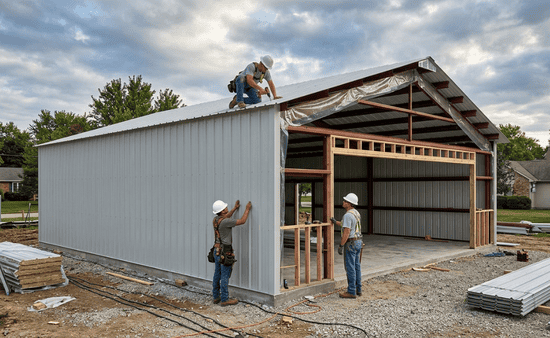
A metal garage looks straightforward on paper — a foundation, a steel structure, a roof. But the decisions made before a single component is ordered are what separate a structure that performs well for decades from one that creates ongoing problems. Getting those decisions right starts with knowing what to ask.
Why Metal Garages Aren’t All Built the Same Way
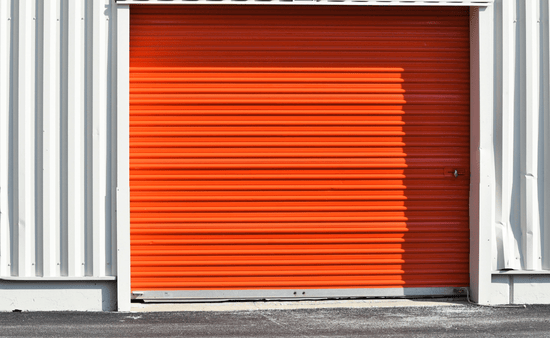
Not every metal garage is engineered to the same standard. Prefabricated kits, custom-engineered systems, and contractor-built hybrid structures all fall under the same general category, but they differ significantly in how they handle load, weather exposure, and long-term durability.
Prefabricated options are faster to source and often lower in upfront cost, but they’re built to general specifications — not to the specific conditions of a given site.
Custom-engineered systems cost more initially but are designed around the actual wind loads, soil conditions, and use requirements of the property they’re built on. Understanding which approach a contractor is proposing — and why — is one of the first questions worth asking before a quote is accepted.
Foundation Design and Why It’s Not a Standard Decision
The foundation a metal garage sits on affects everything above it. A slab that isn’t properly sized for the structure’s weight, or that doesn’t account for the soil conditions beneath it, will move — and when it moves, it puts stress on the building frame in ways that compound over time.
In northern Alabama, soil composition varies enough across properties that a site-specific assessment matters. Expansive clay soils behave differently under a slab than sandy or loam-based soils, and the foundation design needs to reflect those conditions. A contractor who applies the same foundation approach to every job regardless of site conditions is taking shortcuts that will eventually show up as the homeowner’s problem.
What Drives the Cost of a Steel Structure Build

Steel structure pricing is more variable than most homeowners expect, and the gap between a low quote and a mid-range one usually reflects real differences in what’s included. Gauge of steel, coating quality, insulation, anchor bolt specifications, and the engineering behind the structure all affect both price and long-term performance.
Labor is another variable that doesn’t always show up clearly in a quote. Erection crews vary in experience, and a crew that isn’t familiar with the specific building system being installed can introduce fit and alignment problems that affect how the structure performs under load. The cost of fixing those problems after the fact almost always exceeds the savings from choosing the lowest bid.
Ventilation and Moisture: The Most Overlooked Part of the Build
A sealed structure with no ventilation strategy is a condensation problem waiting to happen. Metal surfaces conduct temperature changes rapidly, and when warm humid air contacts a cool metal surface, moisture accumulates — on the walls, the roof panels, and anything stored inside.
Homeowners shopping for a metal garage in Huntsville understand that the region’s humidity levels make ventilation planning especially important. Ridge vents, soffit vents, and vapor barriers work together to manage moisture, but only when they’re specified correctly for the building’s size and use.
Treating ventilation as an afterthought — or leaving it out of the plan entirely — creates interior conditions that damage stored vehicles, tools, and equipment over time.
Doors, Windows, and Openings That Affect Structural Integrity

Every opening in a steel structure — a garage door, a walk-through door, a window — interrupts the structural continuity of the wall system. Those interruptions need to be accounted for in the framing design, with properly sized headers and framing members that carry load around the opening rather than through it.
This is an area where less experienced contractors or kit installations sometimes fall short. An opening that isn’t properly framed may not cause an obvious problem immediately, but under wind load or snow load, the stress concentrations around that opening behave differently than the rest of the structure.
Reviewing how openings are handled in the engineering drawings before construction begins is a reasonable step for any homeowner.
Finish Quality and What It Tells You About the Build
The way a finished structure looks on the outside is often a reasonable indicator of what happened on the inside. Panels that align cleanly, trim that seats flush, and fasteners that are properly spaced and driven — these details reflect the care taken throughout the erection process.
This same attention to detail also applies to interior elements, where upgrading your garage floor surface can further enhance durability, functionality, and overall appearance
Gaps at the base trim, inconsistent fastener patterns, or panels that don’t sit flat against the framing aren’t just cosmetic issues. They’re entry points for water, wind, and pests, and they indicate that the erection crew wasn’t working to a high standard.
A walkthrough before final payment that specifically checks these details protects the homeowner from accepting a structure that will require early remediation.
Conclusion
The difference between a structure that adds lasting value to a property and one that becomes a recurring maintenance issue comes down to the quality of decisions made before and during construction. Choosing a contractor who treats every phase of the build with the same attention — from foundation to final panel — is the most reliable path to a structure that performs the way it should.