
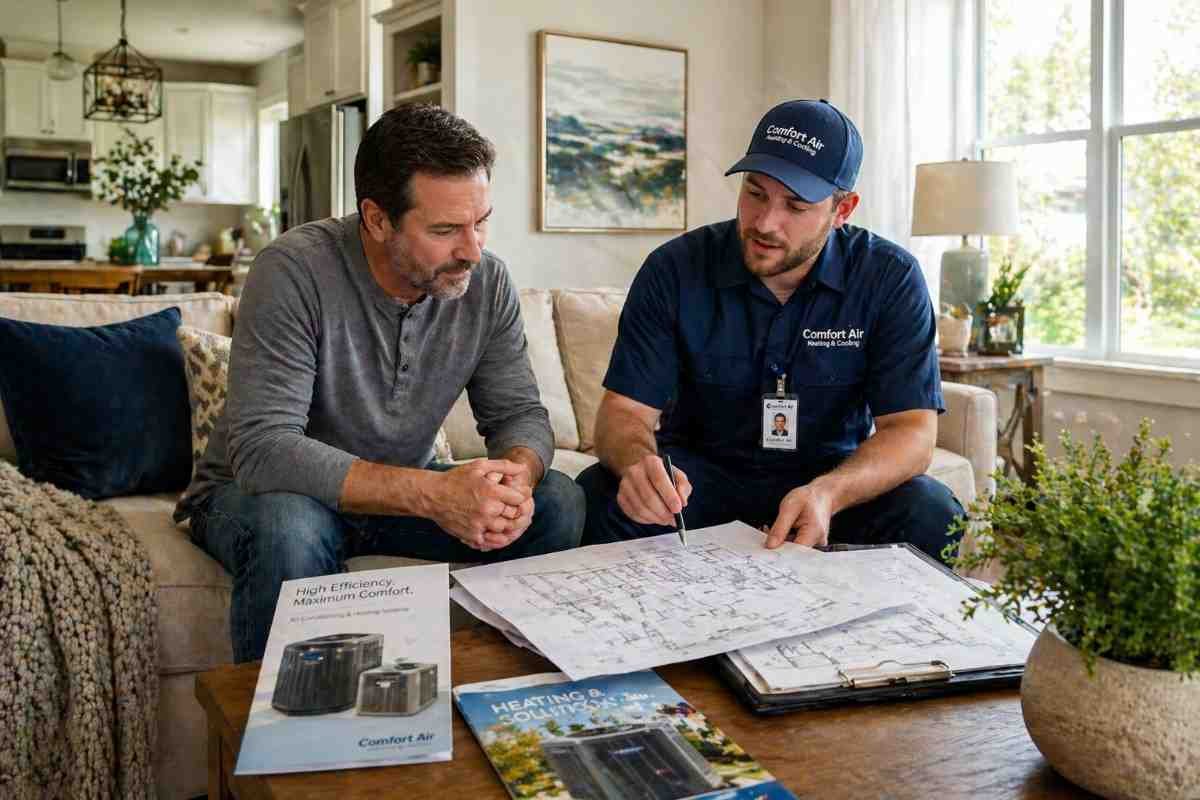
A new furnace is a long-term commitment. The system installed this season will be heating the home for the next fifteen to twenty years. The decisions that determine whether it does that reliably and efficiently happen before the installation crew arrives, and most of them aren’t visible in the final invoice.
Understanding What Goes Into a Furnace System
How a Forced-Air System Actually Works
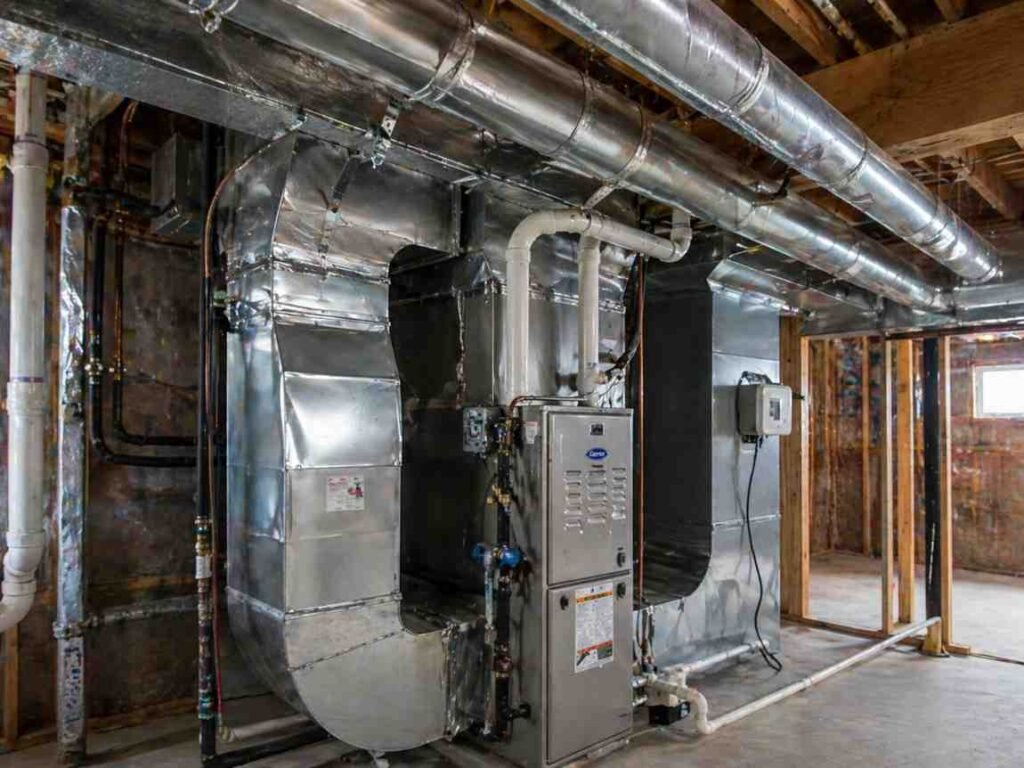
A furnace heats air and distributes it through the home via a duct system — supply ducts carry conditioned air to each room, return ducts bring air back to the furnace to be reheated. The efficiency and comfort of the system depend on how well every component in that loop performs, not just the furnace itself. A high-efficiency furnace installed on a leaky, undersized duct system will underperform relative to what the equipment is capable of delivering.
The Duct System as a Performance Variable
Duct condition is one of the most overlooked factors in planning a new heating system. Leaks in supply ducts send conditioned air into wall cavities, attics, and crawlspaces rather than into living areas. Undersized return ducts restrict airflow in ways that reduce system efficiency and shorten equipment life. A process that doesn’t include a duct assessment is skipping one of the variables that most significantly affects the outcome.
Selecting the Right Equipment
Why Sizing Matters More Than Brand
Furnace sizing is determined by a heat load calculation — an assessment of how much heat the home needs to maintain a comfortable indoor temperature under the coldest outdoor conditions it will experience. That calculation accounts for insulation levels, window area and orientation, ceiling height, air infiltration, and local design temperature data.
An oversized furnace short-cycles — heating the home quickly and shutting off before completing a full cycle — which produces temperature swings, increases wear on components, and reduces efficiency. An undersized furnace runs continuously on the coldest days without reaching the setpoint. Both outcomes result from skipping the load calculation and selecting equipment based on the size of the previous furnace or a square footage estimate.
Efficiency Ratings and What They Mean in Practice
Furnace efficiency is expressed as Annual Fuel Utilization Efficiency — AFUE — which represents the percentage of fuel energy converted to usable heat over a full heating season. Standard efficiency furnaces operate in the 80 percent AFUE range. High-efficiency two-stage and modulating furnaces reach 95 to 98 percent AFUE, reducing fuel consumption significantly over a full heating season.
The financial case for a higher-efficiency furnace depends on local gas rates, how many hours per year the system will run, and how long the homeowner plans to stay in the home. In a climate with cold winters and significant heating loads, the operating cost difference between an 80 percent and a 96 percent AFUE unit adds up meaningfully over the life of the equipment.
Single-Stage, Two-Stage, and Modulating Systems
Single-stage furnaces operate at full capacity whenever they run — on or off, with no middle setting. Two-stage furnaces have a low-fire setting for mild days and a high-fire setting for peak demand, which produces more even heating and quieter operation than single-stage equipment. Modulating furnaces adjust output continuously across a range of capacities, maintaining temperature with the greatest precision and the lowest fuel consumption of any configuration.
The comfort difference between a single-stage and a modulating furnace is noticeable in daily use — fewer temperature swings, quieter operation, and more consistent humidity management. Whether that difference justifies the cost premium depends on the homeowner’s priorities and budget, but it’s a comparison worth having with a contractor who can explain the trade-offs honestly.
What the Process Actually Involves
Venting and Combustion Air Requirements
High-efficiency furnaces vent differently than standard-efficiency equipment. Standard furnaces use conventional flue venting through the chimney. High-efficiency condensing furnaces produce cooler exhaust gases, so installers must use PVC sidewall, casement windows or rooftop venting — and if the chimney served only the furnace, the new equipment leaves it unused.
Combustion air requirements also vary by furnace type and installation location. Furnaces installed in tight mechanical rooms may need dedicated outside air supply to support proper combustion. Local code specifies those requirements, and a contractor who pulls permits and follows the inspection process will address them correctly.
Electrical and Gas Connections
The process involves both gas line work and electrical connections that need to meet current code requirements. Older homes may have gas line configurations or electrical panels that require upgrades to support a modern furnace — particularly high-efficiency models with variable-speed blower motors that have different electrical draws than the equipment they’re replacing. Identifying those requirements during planning prevents mid-installation discoveries that add cost and delay.
Permits and Inspections
A mechanical permit is required in most jurisdictions, with inspection by the local building department following completion. The inspection process verifies that the work meets applicable codes — venting, gas connections, combustion air, and clearances. Contractors who skip the permit process are creating liability for the homeowner that surfaces during future home sales, insurance claims, and warranty disputes.
Choosing the Right Contractor
What Licensing and Insurance Actually Cover
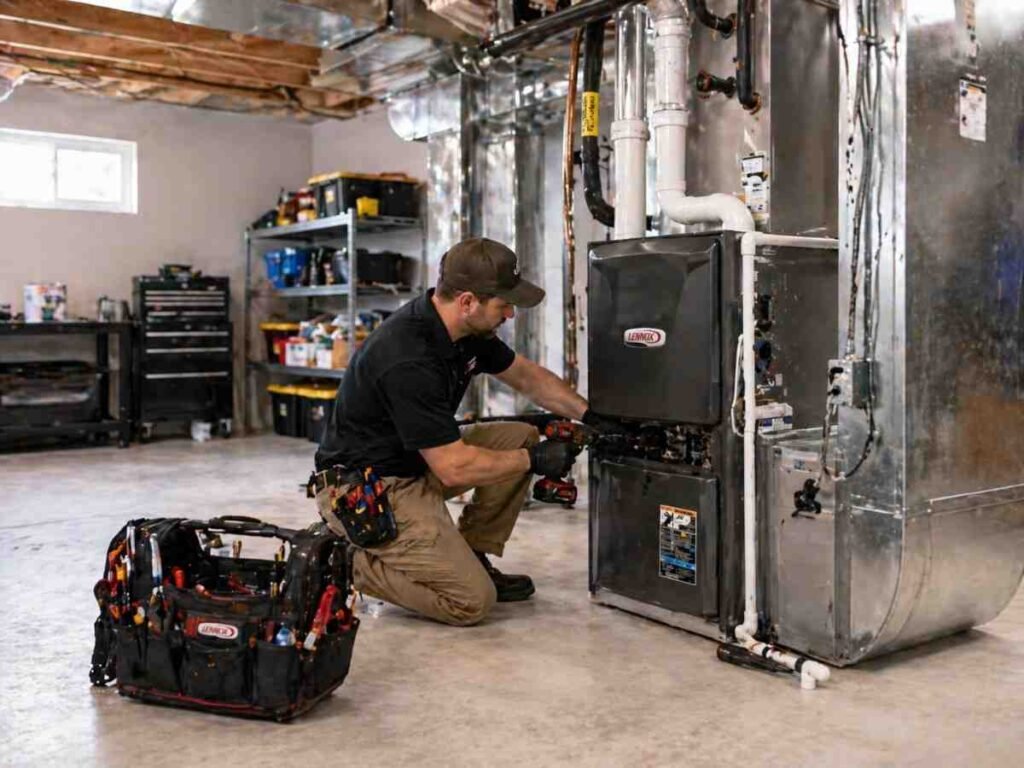
HVAC contractors are required to hold a valid contractor’s license and carry liability insurance and workers’ compensation coverage. Verifying those credentials before signing a contract protects the homeowner from liability. If something goes wrong and from the consequences of work performed by an unqualified operator whose mistakes become the homeowner’s problem.
Reading an Estimate Correctly
A useful estimate specifies the equipment model, AFUE rating, warranty terms, and the scope of any duct modifications, venting work, and electrical upgrades required. It also identifies permit fees and what the commissioning process includes. An estimate that presents a total price without itemization doesn’t give the homeowner enough information to evaluate what’s being proposed or to make a meaningful comparison between contractors.
Local Experience and What It Produces
Homeowners searching for furnace installation in Draper benefit from working with a contractor who understands the local permitting process, the climate conditions that affect equipment selection, and the specific characteristics of homes in the area. References from completed local projects provide the most reliable indicator of consistent work quality available before a hiring decision is made.
After the Installation
Commissioning and System Verification
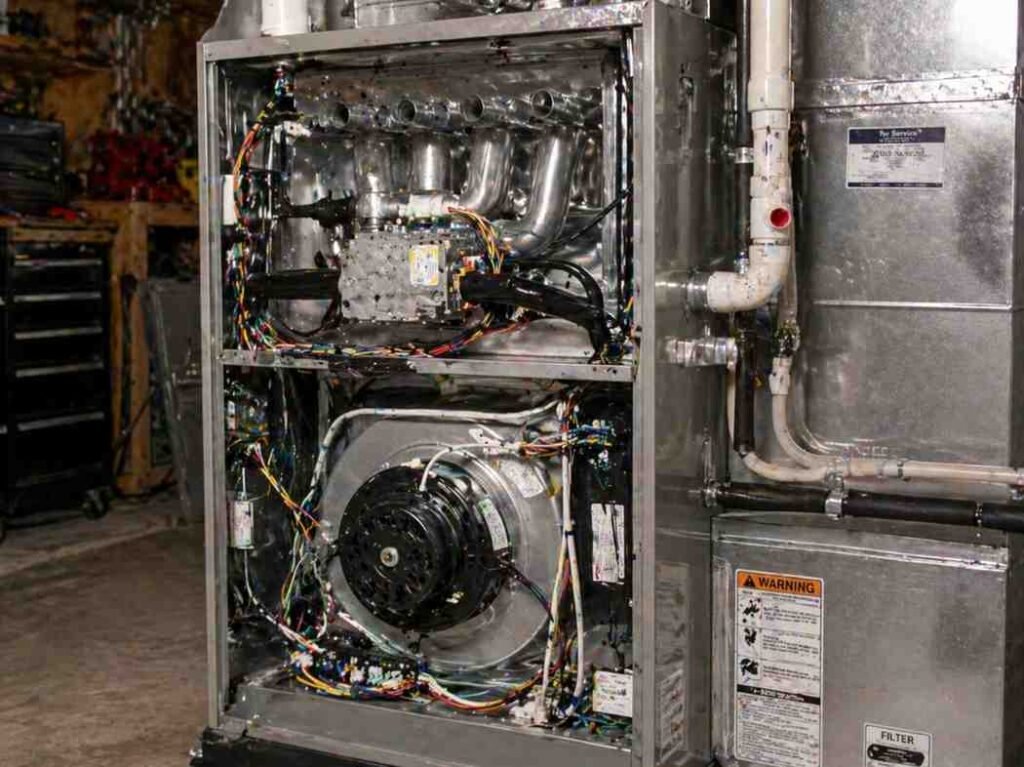
A properly completed job includes commissioning — verifying that the furnace is operating within manufacturer specifications, that airflow through the duct system is correct, that gas pressure and combustion are within design parameters, and that all controls are functioning as configured. Commissioning documentation creates a baseline record of how the system performed when new.
Maintenance That Protects the Investment
Annual furnace service — cleaning heat exchanger surfaces, checking combustion efficiency, inspecting the flue, replacing the filter, and verifying control operation — maintains the system at its rated efficiency and identifies developing problems before they become failures. Establishing a maintenance schedule at completion rather than deferring it until a problem develops. That is the most cost-effective way to protect the investment over the life of the equipment.
Conclusion
When you size a furnace correctly, set it up properly, and maintain it on schedule, it performs reliably throughout its lifespan. Delivering consistent relaxing home environment and comfort without the energy waste and maintenance demands that result from shortcuts taken during selection and setup. The planning decisions made before work begins are what determine whether that outcome is achievable.