
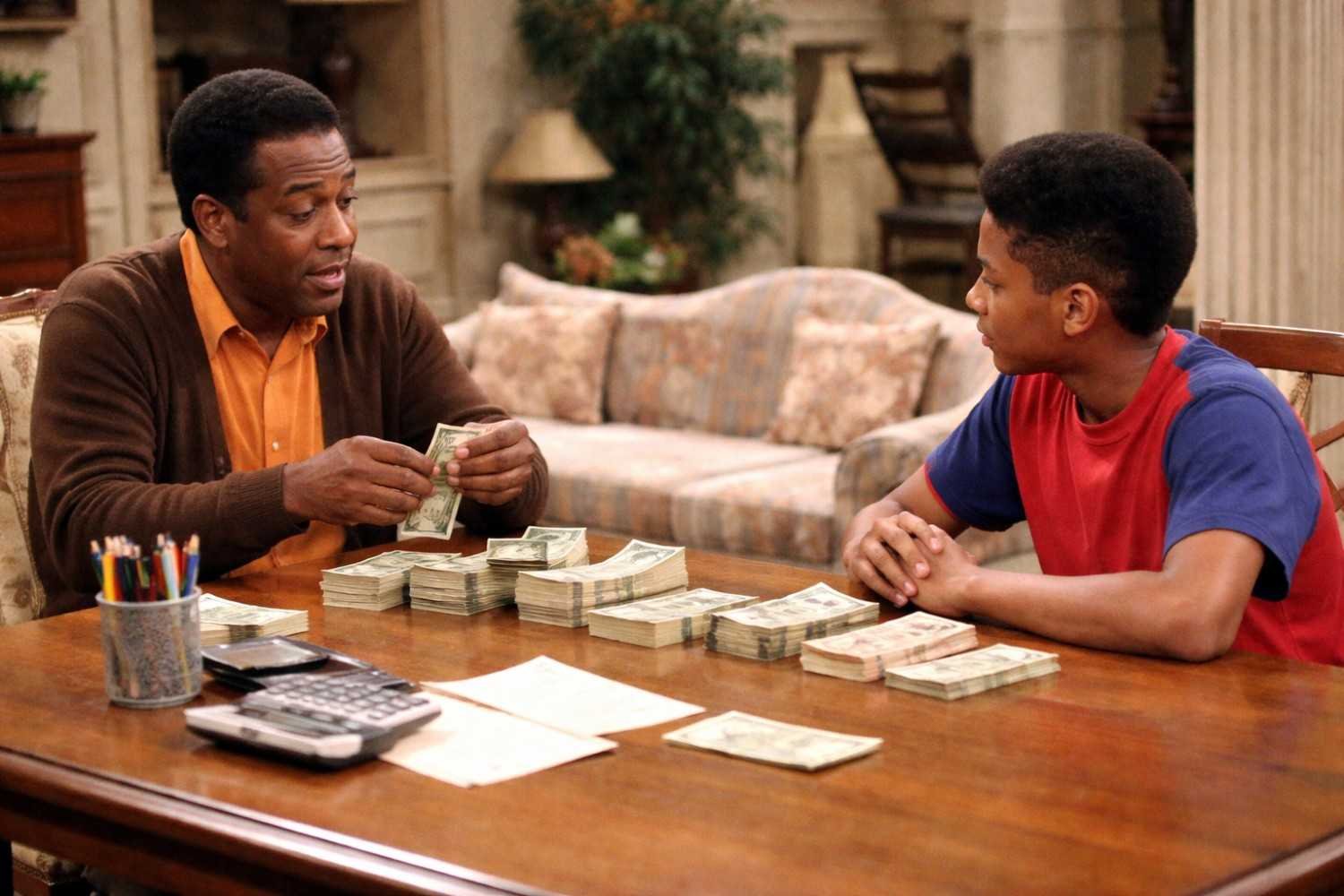
In the pilot episode of The Cosby Show, Cliff Huxtable teaches his son Theo a valuable life lesson about finances. With a simple yet powerful demonstration, Cliff shows Theo how quickly money disappears when you have real-life expenses. The lesson? “Where the money goes” — a phrase that resonates with anyone who’s ever looked at their bank account and wondered how they spent it all. Understanding your finances is key to gaining control over your money, just as Theo learns from his father.
The Power of Financial Awareness: Why Tracking Expenses Matters
When we talk about “where the money goes”, we’re referring to the importance of tracking your income and expenses to take control of your finances. This is the first step in financial literacy: understanding how much of your money goes toward essentials like rent, bills, groceries, and transportation.
In the Cosby Show episode, Cliff gives Theo an allowance but takes back a portion for everyday expenses. Theo is initially shocked by how quickly the money disappears. However, by breaking down the different categories of spending, Cliff helps Theo see that money isn’t just something that vanishes—it’s allocated to specific responsibilities. In real life, that’s exactly what happens when you don’t track your finances.
By tracking expenses, you can:
- Identify where money leaks — small, unnoticed purchases that add up over time (like subscription services or daily takeout).
- Ensure you’re budgeting correctly — knowing exactly how much of your income goes to bills and how much you can save or spend on non-essentials.
- Make better financial decisions — by knowing where your money goes, you can decide whether to cut unnecessary costs and boost savings.
How to Start Tracking Your Spending
1. Understand Your Income
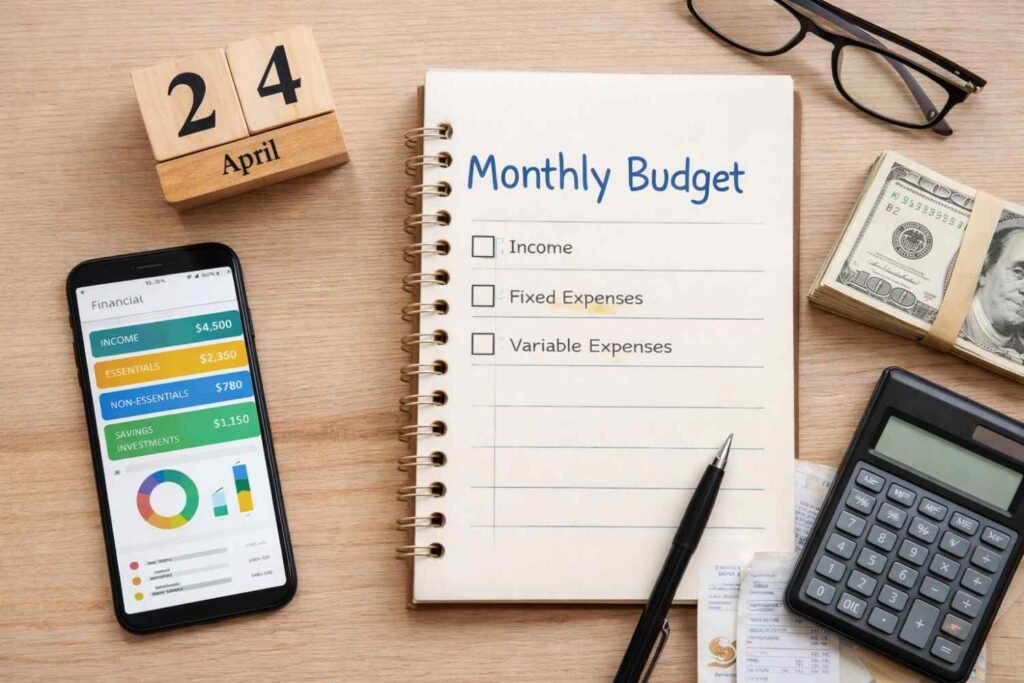
The first step in budgeting is knowing how much money you actually bring home after taxes and deductions. In Theo’s case, he starts with his allowance, but in real life, this would be your net income.
2. Break Down Your Expenses
Cliff shows Theo how quickly money goes to bills like rent, utilities, and food. Similarly, you need to break your expenses down into categories:
- Fixed expenses: These are things like rent, car payments, and insurance.
- Variable expenses: Items like groceries, entertainment, and dining out.
- Savings and debt payments: Contributions to retirement, emergency savings, and paying off loans.
3. Categorize Your Spending
Using apps like Mint, YNAB (You Need a Budget), or good old-fashioned spreadsheets, categorize your expenses and track them regularly. This will help you see where the money is really going each month.
Budgeting Tips: Managing Money Like Cliff Huxtable

1. Use the 50/30/20 Rule
This rule is simple and effective:
- 50% for needs (rent, utilities, groceries, etc.)
- 30% for wants (eating out, entertainment)
- 20% for savings or debt repayment
Cliff’s approach in the show might not directly align with this formula, but his demonstration of how much goes toward essentials is a reminder that managing your money requires understanding priorities.
2. Keep Track of Small, Unseen Costs
Just like the small deductions Cliff makes to cover various household costs, you might overlook small purchases—coffee, snacks, or online subscriptions. These seemingly minor expenses add up over time, and by tracking them, you can adjust your budget accordingly.
3. Automate Your Savings
One of Cliff’s most practical lessons is how to prioritize the things that matter, like savings. After you’ve budgeted for your essential needs, set up automated transfers to your savings accounts right after each paycheck. This way, you’re paying yourself first, just as you would pay a bill.
Frequently Asked Questions (FAQs)
1. Why is it important to track where the money goes?
Tracking your expenses helps you understand how much you’re spending on necessities versus wants. It’s essential to know where your money is going so you can make more informed decisions about saving, spending, and investing.
2. How can I create a budget like Cliff Huxtable?
You can use the 50/30/20 rule or any other budgeting method that works for you. Start by listing your income, then break down your expenses into categories. Don’t forget to track non-essential spending, as these small leaks can add up.
3. Can small purchases really affect my financial goals?
Yes! Small, repeated purchases—like a daily coffee or multiple subscriptions—can quickly add up and prevent you from reaching your savings goals. By tracking these expenses, you can decide which ones to cut back on.
4. How do I start automating my savings?
Set up automatic transfers from your checking account to a savings account each time you receive a paycheck. Automating savings ensures that you’re always putting money aside for your future.
Conclusion: Financial Literacy Starts with Knowing Where the Money Goes
Like Cliff Huxtable taught Theo in The Cosby Show, understanding where the money goes is essential to managing your finances. By tracking your income, categorizing expenses, and setting aside money for savings, you can take control of your financial future. Don’t let money slip through your fingers like Theo’s allowance—start budgeting today, and you’ll soon see the difference in your financial health.