

A well-being-focused home environment enhances both mental and physical health through thoughtful design. By incorporating elements like natural light, clean air, biophilic features, and non-toxic materials, you can transform your living space into a peaceful sanctuary. This approach goes beyond aesthetics; it supports relaxation, mindfulness, and focus, whether you’re working, resting, or spending time with loved ones.
In this article, we’ll dive into how you can design a home that nurtures your health by maximizing natural light, ensuring proper airflow, creating calming aesthetics, and dedicating spaces for relaxation and mindfulness. We’ll also explore practical solutions to common challenges in creating these spaces.
What Is a Wellbeing-Focused Home Environment?

A well-being-focused home integrates design elements that prioritize health, emotional balance, and stress reduction. By using natural materials, improving air quality, and incorporating calming elements, you create an environment that fosters emotional and mental well-being. These homes are intentional spaces that support not only physical comfort but also personal growth, relaxation, and mindfulness. Creating a well-being-focused home helps lower stress levels and enhances quality of life. Thoughtful layouts and ergonomic furniture support mental clarity, relaxation, and productivity.
Key Principles for a Wellbeing-Focused Home
To craft a home that nurtures your well-being, focus on these core design principles:
1. Maximize Natural Light & Air
Natural light plays a key role in regulating circadian rhythms, boosting mood, and enhancing sleep. Large windows, skylights, or open layouts can maximize daylight. If natural light is limited, use light-colored interior finishes and mirrors to reflect sunlight.
Air quality is equally important. Poor ventilation can affect health and mood, so be sure to use air-purifying plants like peace lilies or invest in a mechanical ventilation system (MVHR) for cleaner air. Adding plants not only enhances air quality but also brings life and calm to your space.
Pro Tip: Aim for at least 20 minutes of direct sunlight exposure every day to improve Vitamin D levels and overall well-being.
2. Integrate Biophilic Design
Biophilic design creates a deeper connection to nature, helping reduce stress and increase creativity. Key biophilic elements include:
- Indoor plants: Choose easy-care plants like aloe vera, ferns, and spider plants.
- Water features: A small indoor fountain or water wall can promote relaxation.
- Natural materials: Use wood, stone, bamboo, and cotton to incorporate organic textures into your home.
Studies show that nature-inspired environments lower cortisol levels (the stress hormone), promote creativity, and improve overall cognitive function.
How to Create a Wellbeing-Focused Home

1. Prioritize Light & Air
To establish the foundation of a well-being-focused home, begin with light and air. Maximize natural light by arranging furniture near windows or using reflective surfaces to enhance daylight. If you’re limited by space or light, artificial lighting that simulates daylight can make a big difference in mood and energy. For air quality, regularly open windows and incorporate plants or air purifiers to ensure clean, fresh air throughout your home.
2. Declutter & Organize
A clutter-free environment is essential for mental clarity and relaxation. Minimalist design principles and smart storage solutions can help reduce visual clutter. Make sure to define specific zones in your home for different activities (e.g., work, relaxation) to help create a sense of calm.
3. Bring Nature In
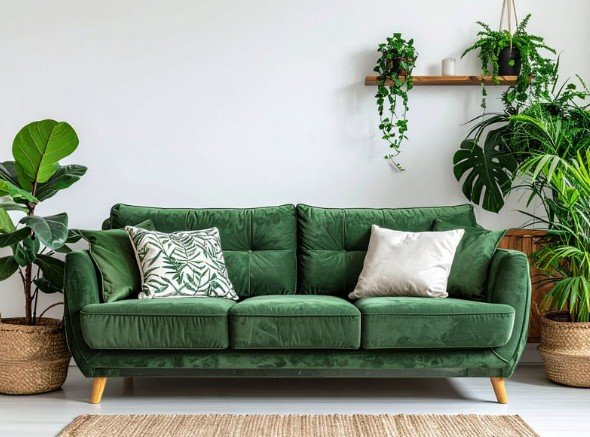
Indoor plants do wonders for both aesthetics and air quality. Begin with plants that are easy to maintain, such as succulents or pothos, and gradually expand your collection. Nature-inspired decor, like wooden furniture or stone sculptures, can further enhance the calming effect of your space.
4. Choose Calming Colors
Color has a profound impact on mood. For areas dedicated to relaxation, such as bedrooms or meditation corners, choose soft, calming hues like pale blue, soft green, or earth tones. These colors reduce anxiety and foster a sense of calm.
Pro Tip: Use color psychology—soft blues and greens are relaxing, while yellows and oranges can energize more active areas.
5. Invest in Ergonomics
A well-being-focused home also includes ergonomic furniture. Whether you’re working, reading, or lounging, investing in ergonomic furniture ensures comfort and promotes good posture. An ergonomic chair and desk, along with thoughtful layout choices, can improve physical health while supporting mental focus.
Common Challenges & How to Overcome Them
1. Limited Natural Light
If your home lacks natural light, here are a few tricks to brighten it up:
- Use light-colored walls and ceilings to reflect light.
- Install mirrors to bounce light throughout the space.
- Opt for artificial lighting that mimics daylight for a natural boost.
2. Space Constraints
Creating wellness zones in a small space can be challenging. Try using multifunctional furniture, such as foldable desks or modular sofas, that can be easily rearranged. Even in smaller homes, creating clear areas for work, rest, and focus is essential for maintaining balance.
3. Budget Constraints
You don’t need a large budget to transform your home. Simple changes like adding plants, choosing non-toxic paints, and decluttering can create a huge difference. Focus on the areas that will have the biggest impact on your health—air quality, lighting, and comfort.
Table: Key Elements of a Wellbeing-Focused Home
| Element | Benefit | Tips for Integration |
| Natural Light | Boosts mood, improves sleep, and energy | Install large windows or skylights |
| Indoor Plants | Purifies air, reduces stress | Start with easy-care plants like succulents |
| Ergonomics | Reduces physical strain, improves comfort | Invest in ergonomic chairs and desks |
| Calming Colors | Reduces anxiety, promotes relaxation | Use soft blues, greens, and earth tones |
| Organized Layout | Enhances clarity, reduces stress | Use smart storage solutions, maintain open spaces |
With these practical steps, you’ll soon enjoy a home environment that actively supports your well-being and promotes a sense of calm and balance in your daily life.
FAQ’s
1. What are the 5 areas that make up wellbeing?
The five areas of well-being are physical, emotional, social, mental, and spiritual health. These dimensions work together to promote overall well-being and life satisfaction.
2. What are the 4 pillars of wellbeing?
The four pillars of well-being are mental health, physical health, social health, and emotional health. Each pillar supports and enhances the others for a balanced, healthy lifestyle.
3. What are the latest wellness trends?
The latest wellness trends include mindfulness practices, plant-based diets, digital detoxes, personalized wellness routines, and biohacking technologies for enhanced health and performance.
4. What are the healthy habits of wellness?
Healthy habits of wellness include regular exercise, balanced nutrition, adequate sleep, stress management, and building strong social connections for overall mental and physical well-being.
Conclusion
Creating a well-being-focused home environment is an investment in your mental and physical health. By following the principles of natural light, air quality, biophilic design, and mindful organization, you can create a space that nurtures relaxation, focus, and overall well-being. Whether you’re working from home or enjoying time with loved ones, your living environment plays a critical role in enhancing your life. Remember, you don’t have to overhaul your entire home. Start small, and gradually incorporate these elements to create a sanctuary that supports your health and happiness.