
A well-organized kitchen isn’t just about looking good—it’s about saving time, reducing stress, and making everyday cooking more enjoyable.
Whether you’re working with a compact layout or a spacious cooking area, professional-level kitchen organization is all about smart systems, intentional storage, and habits that last. This guide will walk you through practical, proven steps to help you organize your kitchen like a pro.
Start With a Clean Slate
Before organizing anything, clear everything out. Empty cabinets, drawers, and pantry shelves so you can see exactly what you own.
This step is crucial because it helps you identify duplicates, expired items, and tools you no longer use. Be honest—if you haven’t used an appliance or utensil in the past year, it may be time to donate or discard it.
Once everything is out, wipe down shelves, drawers, and surfaces. Starting fresh makes it easier to maintain your organization long-term.
Group Items by Function
Professional organizers always focus on zones. Instead of organizing by item type alone, think about how you use your kitchen. Create zones such as food prep, cooking, baking, cleaning, and storage. Keep items close to where they’re used most.
For example, store cutting boards, knives, and mixing bowls near your prep area. Pots, pans, and cooking utensils should live close to the stove. This setup reduces unnecessary movement and makes cooking feel effortless.
Maximize Cabinet Space
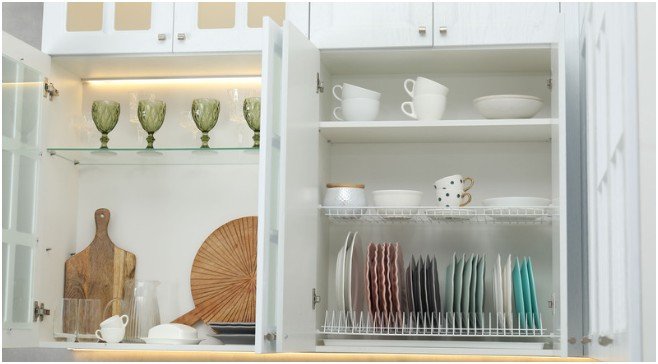
Cabinets are prime real estate, and using them efficiently can transform your kitchen. Adjustable shelves allow you to customize height based on what you store. Stackable shelf risers double your storage instantly, while pull-out drawers make it easier to access items in deep cabinets.
If you’re upgrading or customizing storage, high-quality cabinetry—like cabinets in Salt Lake City designed for modern kitchens—can make organization significantly easier by offering smarter layouts and built-in storage features.
Get Drawer Organization Right
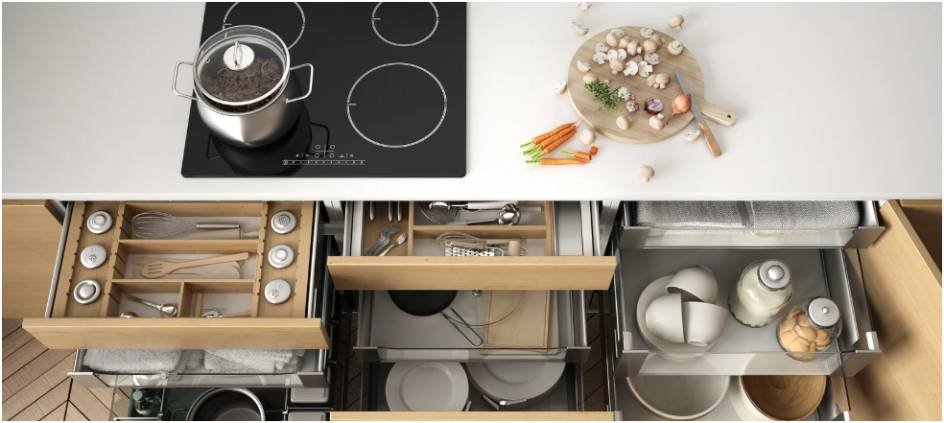
Messy drawers are one of the biggest kitchen frustrations. Use drawer dividers to separate utensils, tools, and gadgets so everything has a designated spot. Avoid overfilling drawers; overcrowding leads to clutter and makes items harder to find.
For deeper drawers, consider organizing vertically. Storing plates, lids, or containers upright not only saves space but also makes items easier to grab without disrupting the rest.
Tame the Pantry
An organized pantry can completely change how you shop and cook. Use clear, airtight containers for dry goods like rice, pasta, flour, and snacks. Label everything clearly so you always know what’s inside and when it expires.
Place frequently used items at eye level and reserve higher, proper wine storage or lower shelves for bulk or less-used items. Rotating older products to the front helps prevent waste and keeps your pantry efficient.
Think Vertically and Creatively
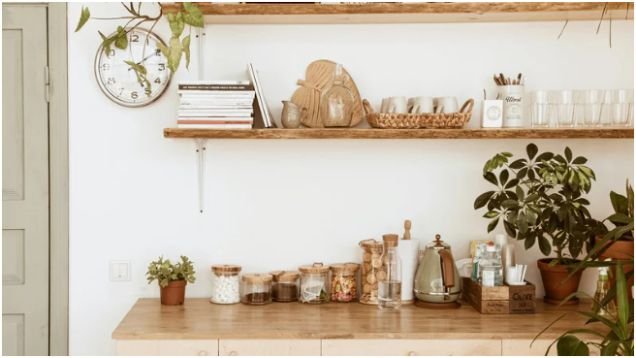
Vertical space is often underused in kitchens. Install hooks inside cabinet doors for measuring cups, pot lids, or cleaning tools. Use wall-mounted racks for spices or utensils if counter space allows.
Even the space above cabinets can be useful for storing decorative baskets or items you don’t need daily. Just be sure these areas stay tidy to avoid visual clutter.
Maintain With Simple Habits
The secret to professional-level organization isn’t perfection—it’s consistency. Get into the habit of returning items to their designated spots after use. Do a quick weekly reset to straighten drawers, wipe shelves, and toss expired items.
Every few months, reassess your system. If something isn’t working, adjust it. Organization should evolve with your lifestyle, not fight against it.
Final Thoughts
Organizing your kitchen like a pro is less about buying expensive products and more about thoughtful planning. By decluttering, creating functional zones, maximizing storage, and maintaining simple habits, you can create a kitchen that’s both beautiful and highly functional.
When everything has a place, cooking becomes easier, faster, and far more enjoyable—exactly how a kitchen should feel.