
The U.S. Student Visa Policy Changes 2o25 has been a mix of excitement and stress for international students like me. I remember the feeling of finally getting my F-1 visa approved, but little did I know that in 2025, the whole visa landscape would change.
With tighter policies, stricter vetting, and a broader travel ban, navigating the U.S. student visa process is about to get a lot more complicated. But don’t worry, I’m here to walk you through these changes, so you’re well-prepared for what’s ahead.
Key U.S. Student Visa Policy Changes: What’s New?
The U.S. student visa policy changes introduce stricter rules including:
- Expanded travel bans and stricter vetting procedures.
- Visa suspensions for students from 40 countries, including Nigeria, Iran, Afghanistan, and Venezuela.
- Affected students seeking F, J, and M visas may face difficulties entering the U.S.
Key points for students:
- Students already in the U.S. or holding a valid visa before January 2025 are generally not affected.
- They may experience more thorough checks when entering the country.
- Stay updated on visa policy changes if you’re planning to study in the U.S.
How Will the U.S. Student Visa Policy Changes 2025 Affect F-1, J-1, and M-1 Visas?
If you’re applying for an F-1, J-1, or M-1 visa, there are some big changes you’ll need to be aware of.

For F-1 visas (the most common for international students):
- Duration of Status (D/S) is being replaced with a fixed term, typically capped at 4 years.
- Students staying beyond 4 years (e.g., PhD candidates) will need to apply for an Extension of Stay (EOS) with USCIS.
- The grace period for F-1 students is reduced from 60 to 30 days, so it’s crucial to finalize post-graduation plans quickly.
For J-1 exchange students and M-1 vocational students:
- The new policies emphasize in-person attendance.
- Students may need to meet new in-person presence standards to maintain their visa status.
- Fully online programs may no longer be eligible for new international students, limiting options for some degree programs.
How to Prepare for the U.S. Student Visa Policy Changes 2025
Preparing for the changes to U.S. Student Visa Policy Changes 2026 requires some forethought and strategic planning. Here’s a simple guide to help you stay ahead of the curve:
Step 1: Check Your Enrollment Status and Visa Category
Make sure your program is still eligible for international students. Check with your school’s International Student Office to ensure that it meets the new in-person attendance requirements. If your program has shifted to being fully online, you may need to explore other options or prepare for stricter scrutiny during your visa interview.
Step 2: Monitor Your Visa Timeline
With the new four-year cap on F-1 visas, keep track of your visa duration and the completion timeline of your program. If you’re pursuing a long-term degree, such as a PhD, you will likely need to apply for an Extension of Stay (EOS). Stay in touch with your international office for guidance.
Step 3: Gather All Required Documentation
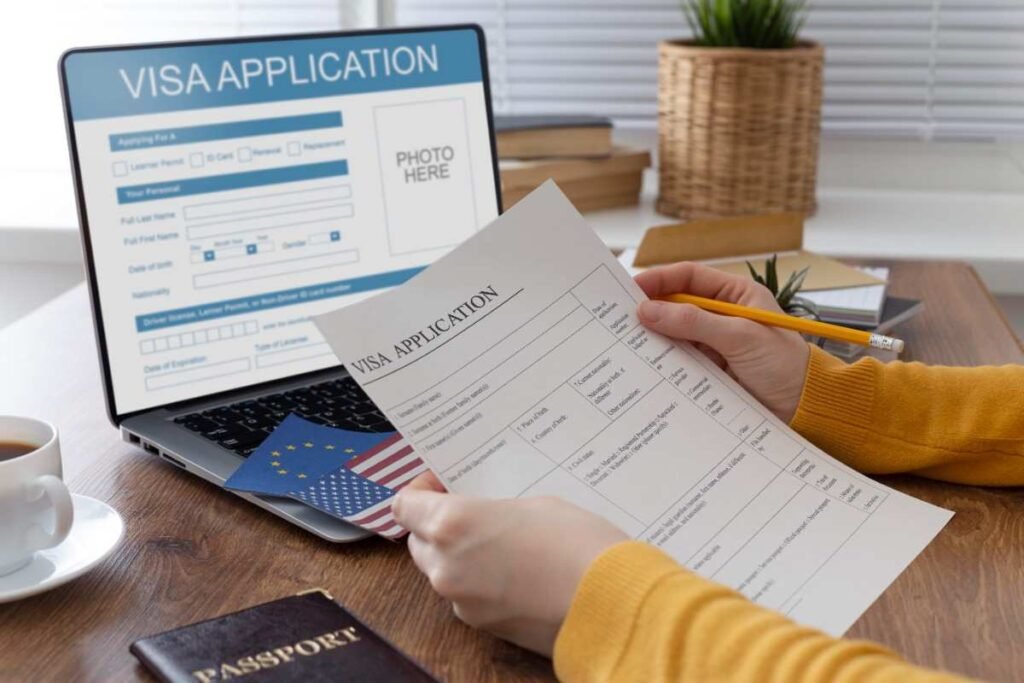
The visa application process will be more rigorous in 2025, so make sure you have all the necessary paperwork ready. This includes your I-20, SEVIS form, and proof of enrollment. Keep updated records of your academic progress and any extra documentation that may be requested by the U.S. embassy.
Step 4: Plan Your OPT and STEM OPT Applications Early
With new Optional Practical Training (OPT) restrictions, students must apply for their OPT/STEM OPT work permits earlier. Make sure to apply well ahead of your graduation date to avoid unnecessary gaps in your employment authorization.
Step 5: Book Your Visa Interview Early
Due to stricter vetting and the reduction of visa interview waivers, most visa applicants will need to schedule an in-person interview. Visa appointment wait times may be longer than before, so book your interview as early as possible to avoid delays.
Frequently Asked Questions
1. Will the new visa rules make it harder for international students to get a visa in 2025?
Yes, the new visa rules are more stringent, especially with the expanded travel ban and stricter vetting requirements. However, if you’re prepared with all the right documentation, it’s still possible to secure your visa. Be proactive in following the latest guidelines, and check in with your school’s International Student Office regularly.
2. How do the new rules affect students from countries with visa suspensions?
Students from countries under visa suspension may face additional hurdles in securing an F, J, or M visa. However, students who are already in the U.S. or hold a valid visa before January 2025 are generally not impacted, although they will undergo more thorough vetting when entering the country.
3. What do the proposed changes to the Duration of Status (D/S) mean for me?
The D/S rule will be replaced with a fixed term of four years for F-1 visa holders. If you need more time (e.g., for a PhD), you will need to apply for an Extension of Stay (EOS). Be sure to keep track of your program timeline and plan your application accordingly.
4. Will I still be able to work on OPT with the new changes?
While you can still work on OPT, there are new restrictions. You’ll need to apply earlier and with more scrutiny. The automatic OPT extensions are being phased out, so it’s important to plan ahead to avoid employment gaps.
Navigating the 2026 U.S. Student Visa Changes
As we head into 2026, the landscape for U.S. student visas is changing rapidly. While these new regulations might seem overwhelming at first, there’s no need to panic. With a little preparation, you can still make your dream of studying in the U.S. a reality.
Keep track of key dates, gather your documents early, and stay in touch with your school’s international office. By staying informed and proactive, you’ll be able to navigate the U.S. student visa policy changes 2026 without a hitch.
Pro Tip: The earlier you start the process, the better. Don’t wait until the last minute to schedule your visa interview or apply for OPT. Trust me, you’ll thank yourself later!