
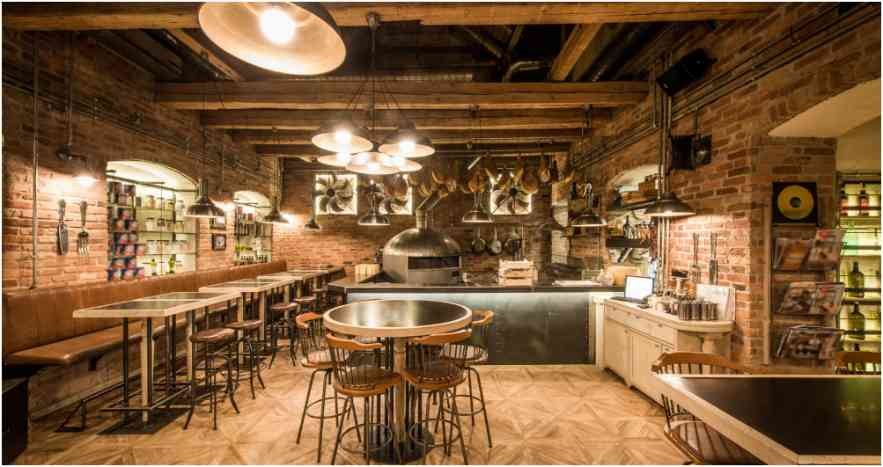
Running a successful restaurant isn’t just about great food and service—it’s also about what happens behind the scenes. Maintenance plays a critical role in keeping operations smooth, customers safe, and inspections stress-free.
From worn flooring to faulty lighting, small issues can quickly turn into expensive problems if ignored. A smart, proactive approach to restaurant maintenance helps protect your investment and supports long-term success.
Start from the Ground Up: Flooring and Entryways
Restaurant floors endure constant foot traffic, spills, and heavy equipment movement. Cracked tiles, loose flooring, or slippery surfaces are safety hazards for both staff and guests. Schedule routine inspections to identify damage early, and address spills promptly to prevent stains and deterioration.
Entryways deserve special attention as well—mats should be clean, secure, and replaced when worn to reduce slip risks and create a strong first impression.
Walls, Ceilings, and Structural Details
Walls and ceilings often go unnoticed until problems become obvious. Peeling paint, water stains, or cracks may signal moisture issues or ventilation problems. Regularly check for signs of leaks around plumbing lines, HVAC units, and restrooms.
Using moisture-resistant paint in kitchens and prep areas can extend the life of surfaces and improve cleanliness. Maintaining a fresh, clean appearance also reinforces customer confidence in your establishment.
Kitchen Equipment: The Heart of Maintenance

Commercial kitchen equipment is the backbone of restaurant operations. Ovens, fryers, refrigerators, and dishwashers should be cleaned daily and serviced on a scheduled basis. Preventive maintenance reduces unexpected breakdowns that can disrupt service during peak hours.
Train staff to report unusual noises, temperature fluctuations, or performance issues immediately. Keeping detailed maintenance logs helps track service history and plan replacements before equipment fails.
Plumbing and Water Systems
Plumbing issues can escalate quickly if left unchecked. Slow drains, leaks, or inconsistent water pressure should never be ignored. Grease traps must be cleaned regularly to prevent clogs and comply with local regulations.
Inspect sinks, faucets, and restrooms daily for leaks or damage. Proactive plumbing maintenance helps avoid costly water damage and ensures sanitation standards are consistently met.
Electrical Systems and Lighting
Reliable electrical systems are essential for safety and efficiency. Flickering lights, tripped breakers, or outdated wiring should be addressed promptly. Proper lighting enhances ambiance in dining areas while ensuring visibility and safety in kitchens and storage rooms.
Periodic inspections by a contract electrician in Riverton can help identify potential hazards, improve energy efficiency, and ensure compliance with local codes without disrupting daily operations.
HVAC and Ventilation
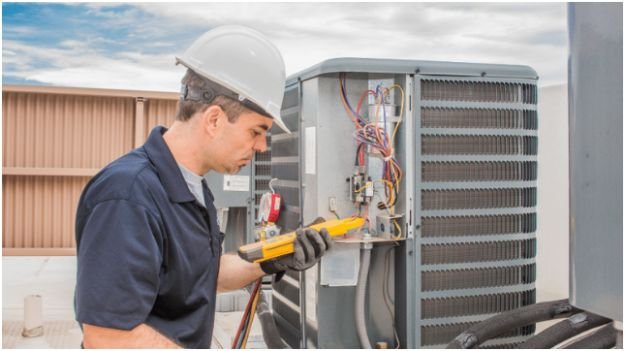
Heating, ventilation, and air conditioning systems impact both comfort and air quality. Grease buildup in exhaust hoods and ducts is a serious fire risk, making regular cleaning and inspections critical.
Replace filters on schedule and ensure vents are unobstructed. A well-maintained HVAC system helps regulate temperatures, control odors, and reduce energy costs—key factors in both customer satisfaction and employee productivity.
Cleanliness Beyond the Obvious
Maintenance and cleanliness go hand in hand. Storage areas, walk-in coolers, proper wine storage and back-of-house spaces should be organized and cleaned regularly to prevent pest issues and equipment damage.
Schedule deep-cleaning tasks weekly or monthly, depending on usage. Clear labeling, proper storage, and routine inspections help maintain hygiene standards and extend the life of your facilities.
Build a Preventive Maintenance Plan
The most effective restaurant maintenance strategies are proactive, not reactive. Create a preventive maintenance schedule that outlines daily, weekly, monthly, and annual tasks.
Assign responsibilities, set reminders, orgarnized and clean kitchen and partner with reliable service providers. Investing in routine upkeep minimizes downtime, reduces emergency repair costs, and keeps your restaurant inspection-ready year-round.
Final Thoughts
From floors to ceilings, every element of your restaurant plays a role in safety, efficiency, and guest experience. Smart maintenance strategies protect your brand, support staff performance, and help control long-term costs. By staying proactive and addressing small issues early, restaurant owners can focus on what matters most—delivering exceptional dining experiences day after day.