
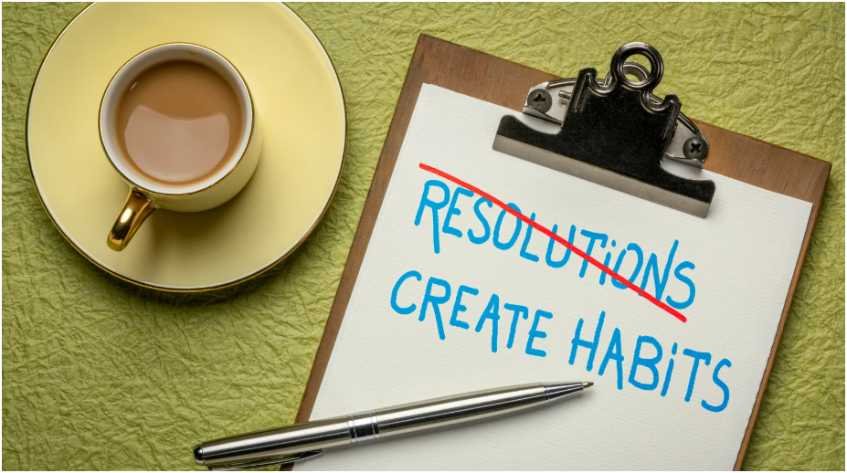
In an era where “wellness” is often reduced to fleeting trends and 30-day challenges, the concept of sustainability—true, lasting change—can feel elusive. Many individuals find themselves stuck in a cycle of enthusiastic starts followed by inevitable drop-offs. This is where the role of a dedicated professional becomes indispensable.
Whether it is a health coach, a dietitian, or a functional practitioner, these experts do more than just hand out meal plans or workout routines. They act as architects of lifestyle change, helping clients build foundations that can weather the storms of daily life.
The guidance of a professional shifts the focus from temporary fixes to lifelong mastery. By leveraging expertise, psychology, and personalized care, they transform the daunting task of habit formation into a manageable, even enjoyable, process. Here are eight ways professionals effectively guide clients toward sustainable habits.
1. Tailoring Strategies to Bio-Individuality

One of the primary reasons self-directed habit changes fail is the “one-size-fits-all” approach. What works for an influencer on social media may be disastrous for someone else’s biology or lifestyle. Professionals start by acknowledging bio-individuality—the idea that every person has unique genetic, environmental, and lifestyle factors.
By conducting thorough assessments, they create bespoke plans that align with a client’s specific metabolic needs, preferences, and schedule. When a habit fits a person’s life like a glove, they are far less likely to abandon it when things get busy.
2. Emphasizing Incremental Progression
The “all-or-nothing” mindset is the enemy of sustainability. Novices often attempt to overhaul their entire lives overnight, leading to burnout. Professionals, conversely, are masters of the “micro-habit.” They understand the science of neuroplasticity and behavior change, guiding clients to implement small, manageable adjustments that accumulate over time.
By focusing on 1% improvements—such as drinking one extra glass of water or adding a single serving of vegetables—they help clients build confidence. This momentum is crucial for long-term adherence.
3. Providing Education Over Instruction
Give a person a diet plan, and they eat well for a week; teach them the principles of nutrition, and they eat well for a lifetime. Professionals prioritize education, ensuring clients understand the why behind the what.
When a client understands how blood sugar regulation affects their energy levels or how sleep impacts cravings, they feel empowered to make better choices independently.
This educational empowerment moves the locus of control from the practitioner to the client, fostering autonomy that is essential for sustainable habits.
4. Addressing the Root Cause, Not Just Symptoms

Unsustainable habits are often coping mechanisms for deeper issues. Emotional eating, for example, isn’t just about food; it’s about stress or comfort. A skilled professional digs deeper than surface-level behaviors to identify root causes.
In the realm of functional health, this might mean looking at hormonal imbalances or gut health issues that drive cravings. By resolving these underlying physiological or psychological triggers, the “bad” habit often dissipates naturally, making space for healthier patterns to take root without constant willpower.
5. Establishing Robust Accountability Structures
Willpower is a finite resource, but accountability is renewable. Professionals provide a structured container for growth. Knowing that someone is watching, caring, and waiting for an update provides a powerful external motivator when internal motivation wanes to unlock your potential.
This goes beyond simple “check-ins.” It involves setting clear metrics for success, reviewing progress objectively, and troubleshooting barriers in real-time. This partnership ensures that a slip-up doesn’t turn into a complete collapse, as the professional is there to help the client get back on track immediately.
6. Upholding Professional Standards and Credibility
Trust is the currency of any therapeutic relationship. Clients are more likely to stick to a protocol if they trust the source. This is where professional training becomes critical. Practitioners who have earned a legitimate nutrition certification have demonstrated their commitment to evidence-based practice and ethical standards.
This credentialing assures clients that the advice they are receiving is safe, scientifically sound, and rooted in a deep understanding of human physiology. When clients know they are in safe hands, they commit more fully to the process.
7. Navigating Environmental and Social Triggers

Habits do not exist in a vacuum; they live within our homes, workplaces, and social circles. Professionals help clients audit their environments to support success. This might involve a “kitchen makeover” to remove trigger foods, strategizing how to navigate restaurant menus during business dinners, or role-playing how to decline food pushers at family gatherings.
By preparing clients for the environmental friction they will inevitably face, professionals equip them with the tactical skills needed to maintain their habits in the real world.
8. Fostering a Growth Mindset
Perhaps the most significant contribution a professional makes is psychological. They help reframe failure. In a self-guided journey, a missed workout or a binge meal is often viewed as a catastrophe. A professional reframes these moments as data—opportunities to learn what went wrong and how to adjust.
This shift from a fixed mindset (“I am bad at this”) to a growth mindset (“I am learning how to do this”) is pivotal. It builds resilience, ensuring that sustainable habits are not rigid rules, but flexible behaviors that can adapt to the ebb and flow of life.
The journey toward sustainable health is rarely linear. It requires navigation, adjustment, and a deep understanding of one’s own body and mind. Professionals serve as the compass in this journey, offering the personalized strategy, educational depth, and accountability necessary to turn fleeting attempts into permanent lifestyle changes.
By moving beyond quick fixes and addressing the complex interplay of biology, environment, and psychology, they empower individuals to reclaim their health for the long haul.