

When you look in the mirror to brush your teeth every morning, you likely focus on the surface-level details. You might check for yellowing, worry about a crooked incisor, or try to get a piece of spinach out from between your molars.
We are taught from a young age that dental hygiene is about preventing cavities and keeping our breath fresh. While these are valid concerns, they barely scratch the surface of why oral care matters.
The Heart: How Gum Disease Impacts Cardiovascular Health
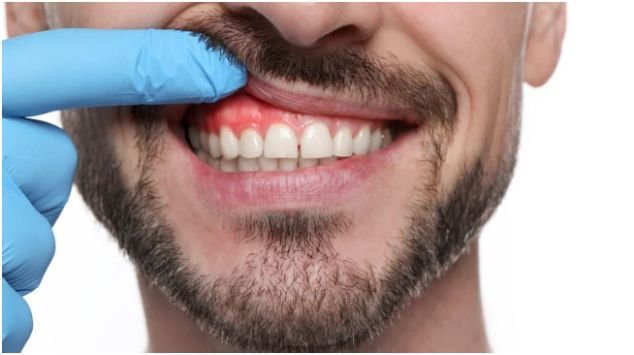
The link between oral health and heart disease is among the most well-researched areas of the mouth-body connection. Several studies suggest that periodontal (gum) disease is associated with an increased risk of developing heart disease and can be healed with gum laser treatment. The connection is not necessarily that one causes the other directly, but that they share a common enemy: inflammation.
The Role of Inflammation
Chronic inflammation is a key characteristic of gum disease. When gums are infected, the body mounts an immune response. If left untreated, this inflammation does not stay localized. Inflammatory markers can enter the bloodstream, potentially contributing to the narrowing of arteries (atherosclerosis). When arteries narrow or harden, blood flow is restricted, raising the risk of a heart attack or stroke.
Bacterial Transport
Beyond inflammation, the bacteria themselves pose a risk. In cases of severe periodontitis, the gums can bleed, allowing oral bacteria to enter the bloodstream. These bacteria can travel to the heart and attach themselves to damaged areas or fatty plaques in the heart vessels.
This can lead to endocarditis, an infection of the inner lining of the heart chambers or valves. While the body’s immune system usually handles these invaders, those with pre-existing heart conditions are at higher risk.
The Gut: Oral Bacteria and the Microbiome

We often hear about the gut microbiome and its massive influence on digestion, immunity, and even mood. However, the digestive tract begins in the mouth, which has its own unique microbiome. Under healthy conditions, the oral and gut microbiomes live in relative harmony. When oral health declines, that balance is disrupted.
Swallowing Bad Bacteria
You swallow saliva continuously throughout the day. If you are suffering from gingivitis or periodontitis, you are swallowing high amounts of pathogenic bacteria like Porphyromonas gingivalis. While the stomach acid kills many invaders, some of these bacteria can survive and colonize the gut.
Dysbiosis and Digestion
When harmful oral bacteria infiltrate the gut, they can cause dysbiosis—an imbalance in the microbial community. This imbalance reduces the diversity of good bacteria needed for proper digestion and immune function.
Research has found associations between poor oral health and gastrointestinal conditions such as Inflammatory Bowel Disease (IBD) and even colorectal cancer. Essentially, keeping the bacteria in your mouth under control is the first step in protecting the delicate ecosystem of your stomach and intestines.
The Brain: Oral Health and Cognitive Decline

Perhaps the most surprising connection is the one between the mouth and the brain. Recent studies have begun to uncover a worrying relationship between chronic gum disease and cognitive decline, including Alzheimer’s disease.
The Infection Pathway
The primary suspect is, once again, the bacterium Porphyromonas gingivalis, which is the main driver of chronic periodontitis. Researchers have discovered traces of this specific bacterium in the brains of Alzheimer’s patients. This suggests that the bacteria may be able to cross the blood-brain barrier or travel through nerves connecting the jaw to the brain.
Chronic Inflammation
Similar to the heart, the brain is highly susceptible to inflammation. Chronic low-grade inflammation caused by long-term gum disease puts the body in a constant state of alert.
Over decades, this systemic inflammation may contribute to the degradation of neurons and the buildup of amyloid plaques, which are hallmarks of Alzheimer’s disease. While research is ongoing, maintaining healthy gums appears to be a proactive measure for preserving cognitive function as we age.
Strategies for Optimizing Oral and Systemic Health
Recognizing the mouth-body connection empowers you to take better care of yourself. Improving your oral hygiene is not just about saving your teeth; it is about protecting your heart, gut, and brain also improving self esteem.
Master the Basics
Consistency is the most important factor. Brush your teeth at least twice a day using fluoride toothpaste and floss daily to remove plaque from between the teeth where your brush cannot reach. Many people skip flossing, yet this is where gum disease often begins.
Diet and Hydration
What you eat feeds the bacteria in your mouth. Sugary and starchy foods fuel the growth of acid-producing bacteria that erode enamel and irritate gums. Focus on a diet rich in crunchy fruits and vegetables, which stimulate saliva production. Drinking plenty of water also helps wash away food particles and keeps the mouth at a neutral pH level.
Address Missing Teeth Promptly
If you lose a tooth due to injury or decay, it impacts more than your smile. A missing tooth can lead to jawbone loss, shifting teeth, and changes in nutrition due to difficulty chewing. Solutions like dental implants in Kilgore, TX, are effective because they replace the tooth root, stimulating the jawbone and maintaining the structure of the mouth. Keeping your bite functional ensures you can continue to eat the diverse, nutrient-rich foods your body needs.
Regular Professional Cleanings
Even the most diligent brusher misses spots. Tartar (hardened plaque) can only be removed by a dental professional. Regular checkups allow your dentist to spot early signs of gum disease—often before you feel any pain—and treat it before the inflammation becomes systemic.
Conclusion
The days of viewing the mouth as separate from the body are over. Your oral health impacts your heart, digestion, and even cognitive health. By maintaining good oral hygiene, you reduce inflammation and support long-term health. Treat dental checkups as essential as physicals—because a healthy body starts with a healthy mouth.