
Your driveway is more than just a place to park your car; it’s a major component of your home’s curb appeal and overall property value. Over time, exposure to the elements, temperature fluctuations, and daily use can lead to wear and tear.
Catching damage early is the key to preventing minor issues from becoming major, costly problems. By knowing what to look for, you can perform timely repairs and extend the life of your driveway for years to come.
The First Signs of Trouble: Small Cracks
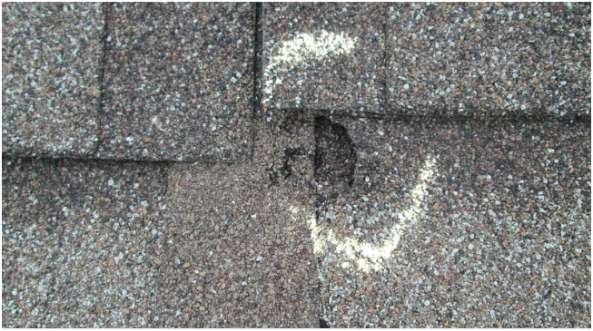
One of the earliest and most common indicators of driveway damage is the appearance of small cracks. These often start as hairline fractures on the surface of both asphalt and concrete driveways.
Why They Form
Surface cracks typically develop due to the natural expansion and contraction of the pavement material as temperatures change. Sunlight and oxidation can also make the surface more brittle over time, leading to these initial fissures. While they may seem insignificant at first, they are openings that allow water to seep beneath the surface.
What to Do
For minor cracks, a simple DIY fix is often sufficient. Clean the crack thoroughly with a wire brush and a pressure washer or hose to remove any dirt and debris. Once it’s completely dry, you can apply a quality crack filler or sealant using a caulking gun. This prevents moisture from penetrating the base layer, which can cause more significant structural damage down the road.
When Cracks Start to Connect: Alligator Cracking
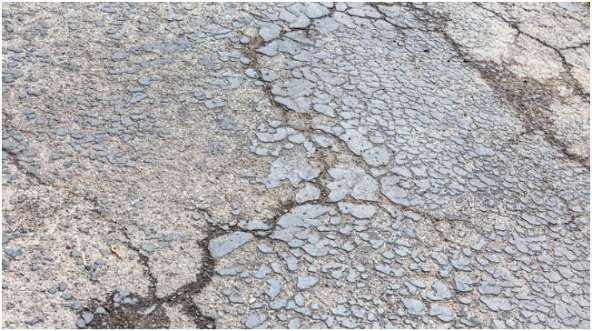
If you notice a series of interconnected cracks that resemble the scaly pattern on an alligator’s back, you’re dealing with a more advanced issue. This pattern, known as alligator or fatigue cracking, is a strong sign of base failure.
What It Means
Alligator cracking indicates that the sub-base supporting your driveway is no longer stable. This can happen due to a poorly compacted foundation, heavy loads, or water saturation that has weakened the underlying layers. Unlike isolated cracks, this type of damage signals a problem that goes deeper than the surface.
Addressing just the surface cracks without stabilizing the base will only provide a temporary solution. In situations involving widespread surface deterioration, considering professional assistance for a task like asphalt driveway repair in Ogden UT can ensure the underlying foundation issues are properly addressed for a lasting fix.
Discoloration and Fading
The rich, dark color of a new asphalt driveway or the clean, uniform look of concrete will inevitably fade over time due to sun exposure and weather. While some color change is normal, significant discoloration or staining can point to other problems.
Common Causes of Stains
Oil, gasoline, and other chemical spills can leave behind unsightly stains. These substances can also actively degrade the binding agents in asphalt, softening the surface and making it more susceptible to damage. In concrete, rust-colored stains could indicate that the steel rebar reinforcement within the slab is corroding.
How to Address It
Clean up fluid spills as soon as they happen using absorbent materials like cat litter. For set-in stains, specific degreasers and cleaning products can be effective. To restore faded asphalt and provide a protective layer against future damage, applying a sealcoat every few years is a highly effective preventative measure for exterior improvement to refresh your property.
Uneven Surfaces: Potholes and Warping
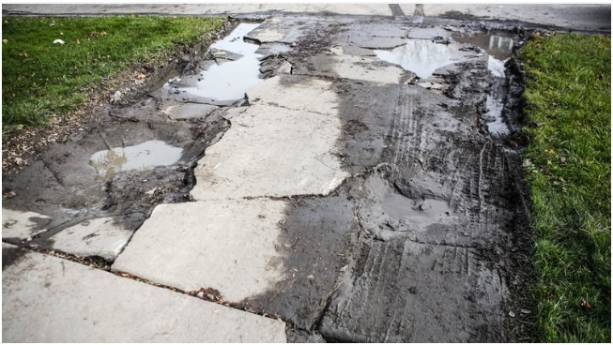
Potholes and sunken areas are impossible to ignore. These issues not only look bad but also pose a tripping hazard and can damage your vehicle’s tires and suspension.
The Development of Potholes
Potholes form when water seeps through cracks, saturates the base, and then freezes. The expanding ice pushes the pavement up. When it thaws, a void is left behind, and the weakened pavement on top collapses under the weight of traffic, creating a hole. Warping or sinking can be caused by tree roots growing underneath or poor drainage that erodes the foundation.
Taking Action
Small, shallow potholes can be patched. The process involves cleaning out the hole, squaring off the edges for a better bond, and filling it with a cold or hot patch material.
For larger potholes, significant sinking, or warping, the problem is likely with the sub-base, and a more extensive repair or even replacement of that section may be necessary. Regular maintenance is your best defense against these larger, more disruptive forms of damage.