
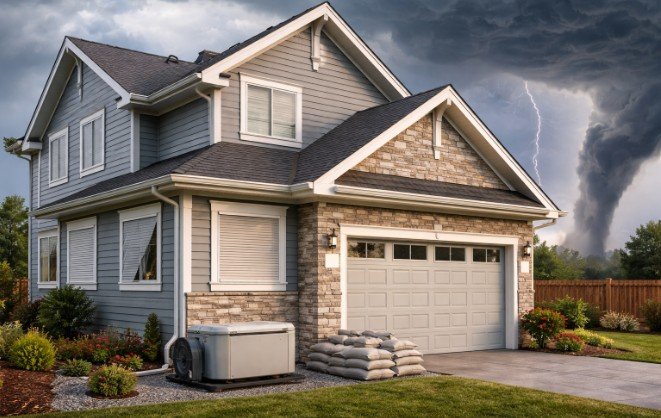
Severe weather doesn’t give much warning. A hurricane intensifies overnight, a hailstorm rolls in before noon, and suddenly your home—your most valuable asset—is bearing the full force of nature. For homeowners in storm-prone regions, that’s not a hypothetical. It’s a recurring reality.
Start by Understanding Your Regional Weather Risks
Before spending a dollar on upgrades, figure out what you’re actually up against. A homeowner in coastal Florida faces very different threats than someone living on the Great Plains or in the Pacific Northwest. Hurricanes, tornadoes, ice storms, wildfires, and flooding each demand different preparation strategies.
Start by researching your area’s historical weather patterns and checking local government resources for hazard maps or flood zone designations. Your home insurance provider is also a useful resource—they can often tell you which risks are most prevalent in your zip code and which vulnerabilities in your home are most likely to result in a claim.
Once you know your primary risks, you can prioritize upgrades strategically rather than spreading your budget too thin. Targeted improvements deliver far more value than a scattershot approach, especially when planning a DIY home renovation that focuses on strengthening your home against specific environmental threats.
Reinforce Your Roof Before the Next Storm Season
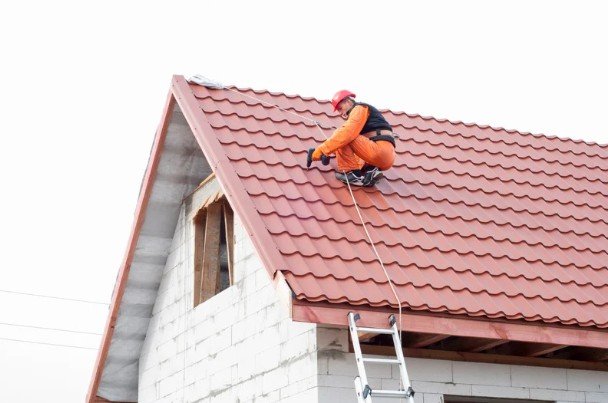
The roof is your home’s first and most critical line of defense. It’s also the most vulnerable. High winds can lift poorly secured shingles, hail can crack or dislodge them, and a compromised roof can lead to water intrusion that damages your entire home from the top down.
Start with an inspection. Look for loose, cracked, or missing shingles—especially after any recent storm activity. Pay attention to the flashing around chimneys and vents, as these areas are common entry points for water. When issues are identified, hiring a roofing contractor ensures repairs are done safely and correctly, preventing further damage.
For longer-term protection, consider upgrading to impact-resistant roofing materials. These are rated to withstand high winds and hail and are often eligible for insurance discounts.
If a full replacement isn’t in the budget, reinforcing the roof deck with hurricane straps or clips is a cost-effective way to significantly improve wind resistance. These metal connectors anchor the roof structure to the walls of your home, making it far less likely to separate during a severe storm.
Protect Your Windows From High-Wind Damage
Windows are a major weak point during storms. When wind pressure builds up inside a home—often because of a broken window—it can cause structural failure from the inside out. Protecting your windows isn’t just about preventing broken glass; it’s about maintaining the integrity of your entire home.
Storm shutters are one of the most accessible solutions. They come in a range of styles, from accordion shutters that fold neatly away when not in use to panel systems you install before a storm. For a more permanent solution, impact-resistant glass eliminates the need to install shutters altogether and provides year-round protection.
Homeowners in high-risk coastal areas often opt for impact windows, which are specifically engineered to withstand flying debris and extreme wind pressure. For example, impact windows in Davie, FL—where hurricane-force winds are a known risk—are a common and highly recommended upgrade that can also improve energy efficiency and reduce noise.
Whatever solution you choose, don’t overlook sliding glass doors and skylights. These are just as vulnerable as standard windows and need the same level of protection.
Improve Drainage to Prevent Interior Flooding
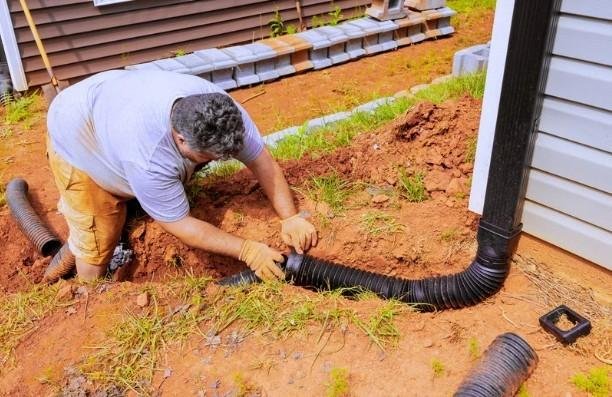
Flooding is one of the most destructive and costly consequences of severe weather. Even modest rainfall can overwhelm drainage systems that aren’t properly maintained or designed for high-volume water flow.
Begin outside. Check that the ground around your home’s foundation slopes away from the structure, not toward it. If water pools near your foundation after rainfall, grading the soil or adding a French drain can redirect runoff before it becomes a problem. Downspouts should extend at least four to six feet from your foundation to channel water well away from the base of your home.
Inside, a sump pump is one of the most effective tools for managing basement or crawl space flooding. If you already have one, test it regularly and consider installing a battery backup so it continues working during power outages—exactly when you need it most. Homes in low-lying or flood-prone areas may also benefit from a backflow valve on the main sewer line, which prevents sewage from backing up into the home during heavy rain events.
Trim Trees and Clear Gutters Regularly
Some of the most common storm damage isn’t caused by the weather itself—it’s caused by what the weather puts in motion. Overhanging tree branches become projectiles in high winds. Clogged gutters force water to back up under roofing materials or overflow against the foundation.
Make tree maintenance a seasonal habit. Trim any branches that hang over your roof or near your windows, and remove dead or structurally compromised trees before a storm forces the issue. A certified arborist can assess your trees and recommend which ones pose a genuine risk to your property.
Gutters should be cleaned at least twice a year—more frequently if you have trees nearby. While you’re at it, check that gutters are securely fastened to the fascia board and that there are no visible cracks or sagging sections. Installing gutter guards can reduce how often cleaning is needed and prevent blockages during heavy rainfall.
Seal Gaps Around Doors and Windows
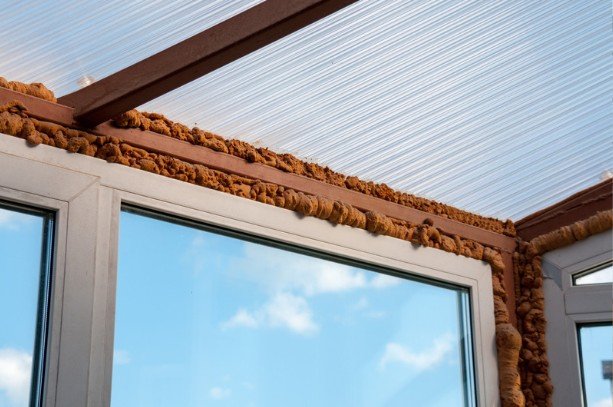
Gaps and cracks around doors and windows are easy to overlook, but they’re a significant source of both storm damage and energy loss. During severe weather, wind-driven rain can penetrate even small openings, leading to water damage, mold, and reduced structural integrity over time.
Walk around the exterior of your home and look for any visible gaps where the frame meets the wall. Inside, check for drafts around window edges and at the base of exterior doors. Weatherstripping along door frames wears out over time and should be replaced every few years. Caulking around window frames is similarly inexpensive and easy to apply.
For added protection, door sweeps seal the gap at the bottom of exterior doors—a common entry point for both water and air. In areas prone to high winds, consider upgrading to a reinforced exterior door with a multi-point locking system, which distributes pressure more evenly and is far less likely to fail under load.
These sealing improvements don’t just prepare your home for storms—they reduce heating and cooling costs year-round, making them one of the best value upgrades on this list.
Conclusion
Start with a risk assessment, then tackle your most vulnerable areas first. For most homeowners, that means the roof and windows. From there, work outward to drainage, landscaping, and finally, the finer details like sealing and weatherstripping. Document every improvement you make, as many of these upgrades can reduce your insurance premiums or increase your home’s resale value.