

Clean windows do more for a home than most people realize. They let in more natural light, make rooms feel larger, and give your home’s exterior a polished, well-maintained look. Yet glass is one of those surfaces that attracts grime constantly—dust, fingerprints, hard water spots, pollen, and seasonal buildup all take their toll.
The Right Tools and Cleaning Solutions
Starting with the right equipment makes all the difference. Many streaky windows come down to using the wrong cloth or an ineffective cleaner—not a lack of effort. This helps create a well-being focused home.
What you’ll need:
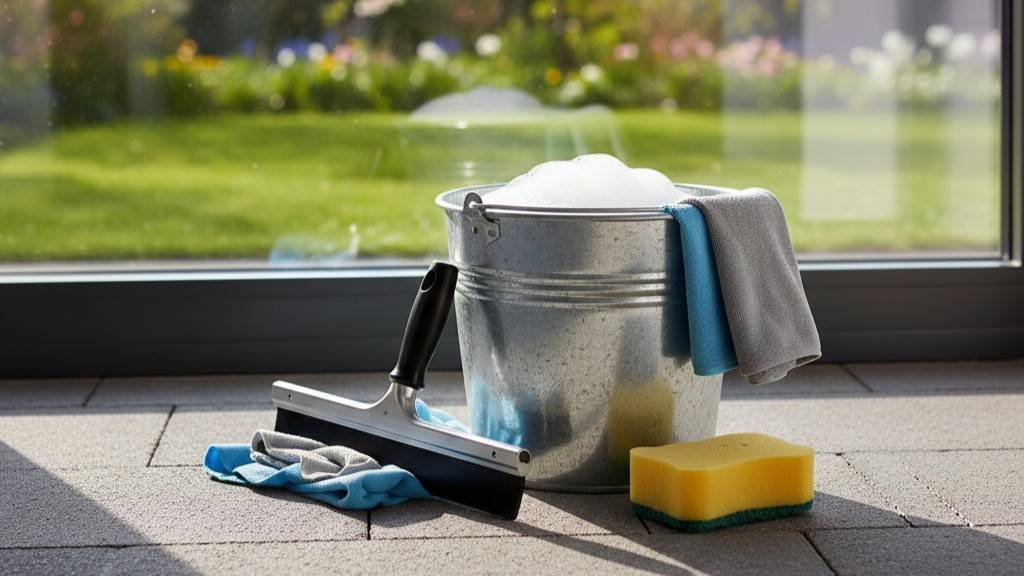
- A rubber-bladed squeegee (the single best tool for streak-free glass)
- Microfiber cloths for wiping edges and frames
- A soft-bristled scrubbing brush for loosening stubborn grime
- A bucket and a lint-free applicator or sponge
For cleaning solutions, you don’t need anything harsh. A simple mix of warm water and a few drops of dish soap works well for general cleaning. For a more eco-friendly approach, a 50/50 solution of distilled white vinegar and water cuts through grease and mineral deposits effectively—without leaving chemical residue behind.
Avoid paper towels and newspaper. Despite popular belief, both tend to leave lint or ink residue on glass. Stick with microfiber.
A Seasonal Maintenance Guide
Glass maintenance isn’t a one-size-fits-all task. Each season brings its own challenges, and adjusting your approach accordingly saves time and effort.
Spring: Tackling Pollen and Post-Winter Residue
Spring is when windows need the most attention. After months of cold weather, glass often carries a dull film of condensation residue, dust, and grime. Add in pollen season, and surfaces can look yellow-tinged within days of cleaning.

Clean windows early in spring before peak pollen season hits. Use your vinegar solution, work from top to bottom with your squeegee, and clean frames and sills thoroughly—pollen collects in tracks and can work its way back onto the glass.
Summer: Heat, Humidity, and Water Spots
Summer sun dries cleaning solution fast, which leads to streaks. Clean windows on overcast days or in the early morning to avoid this. Hard water spots from sprinklers are also common in summer—treat them with undiluted white vinegar left to sit for a few minutes before wiping.
Fall: Leaves, Debris, and Prep for Winter
Fall debris—leaves, mud splatter, and tree sap—sticks to glass easily. A light clean in mid-fall prepares your windows before temperatures drop. Pay attention to exterior window sills and tracks, where debris tends to collect and trap moisture over winter.
Winter: Condensation, Grime, and Salt Residue
Winter is tough on glass, particularly for homes near roads where salt spray is a factor. Interior condensation can also cause mold buildup on frames if left unchecked. Clean exterior surfaces on mild days above freezing, and wipe down interior glass regularly to manage condensation.
Cleaning Hard-to-Reach Exterior Windows Safely
Upper-story windows are where many homeowners either skip cleaning or take unnecessary risks. Safety comes first—never lean out of windows or use an unstable ladder on uneven ground.
For second-story windows, a telescoping window cleaning pole with a squeegee attachment lets you work from the ground or from a stable ladder positioned correctly. Always maintain three points of contact on a ladder, and have someone nearby when working at height.
If your home has large picture windows or multi-story glass panels, this is where professional window cleaning services in Layton and similar local providers earn their value—trained technicians have the right equipment and experience to handle high or awkward glass safely.
For interior high windows, a step stool and an extendable microfiber wand handle most situations without risk.
Integrating Glass Care Into Your Exterior Home Maintenance
Window cleaning shouldn’t happen in isolation. You should also get an inspection by a window cleaning company. Tying it into your broader exterior maintenance routine keeps things manageable and ensures nothing gets overlooked.
- Gutters and windows together: Clean gutters direct water away from glass and frames. When gutters overflow, they leave dirty streaks across windows. Tackle both at the same time in fall.
- Pressure washing coordination: If you pressure wash driveways, siding, or decks, clean your windows afterward—pressure washing kicks up dust and debris that settles on glass.
- Screen maintenance: Remove and clean window screens twice a year. Dirty screens act like filters, pushing grime back onto clean glass every time it rains.
Building these tasks into a seasonal checklist makes year-round maintenance feel far less overwhelming.
Long-Term Prevention: Reducing Spots and Buildup
Reactive cleaning is fine, but prevention cuts down how often you need to do it. Clean windows also support natural ways to keep home cool by improving airflow. A few habits go a long way toward keeping glass cleaner between washes.

Apply a glass-repellent coating. Products create a hydrophobic layer on exterior glass that causes water to bead and run off rather than dry into spots. Reapply every few months for best results.
Adjust sprinkler systems. If lawn sprinklers hit your windows regularly, mineral deposits will build up quickly. Redirecting spray heads is a simple fix that dramatically reduces hard water spotting.
Wipe down interior glass weekly. A quick once-over with a damp microfiber cloth on interior surfaces—mirrors, sliding doors, shower glass—takes about two minutes per surface and prevents soap scum and dust from hardening into stubborn buildup.
Check window seals annually. Failed window seals cause fogging between double-pane glass—a problem no amount of cleaning can fix from the outside. Catching seal failures early prevents moisture damage and the need for glass replacement.
Conclusion
To keep glass surfaces clear year-round, follow a seasonal schedule. In the spring, deep-clean all windows inside and out, including tracks and screens. During the summer, focus on spot-treating hard water stains. In the fall, perform a mid-season clean, clear debris from tracks, and check window seals.