
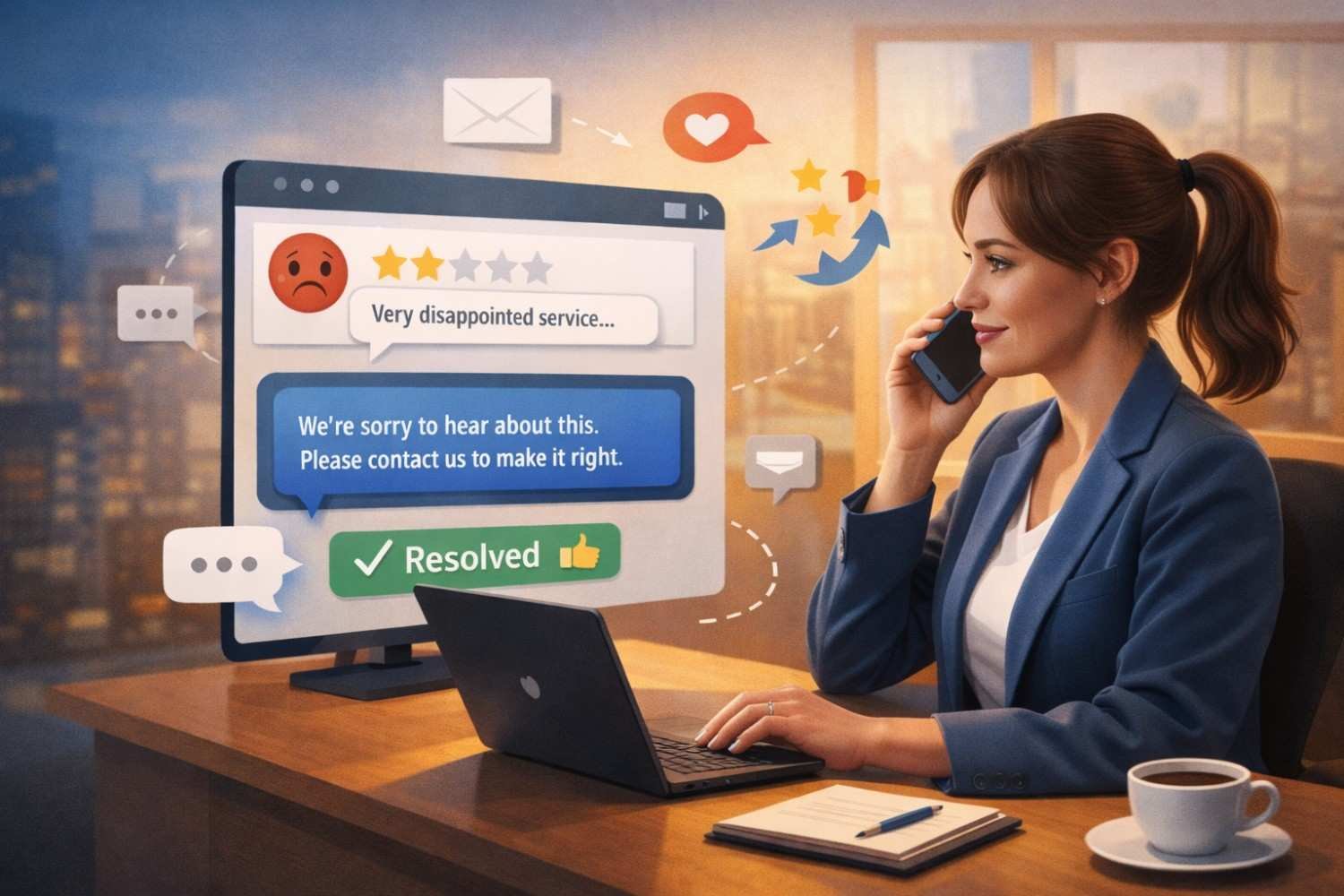
Bad reviews are an unavoidable part of doing business today—but knowing how to deal with bad reviews can make the difference between damaging your brand reputation and strengthening customer trust early on.
In the age of Google, Yelp, and social media, customers expect transparency and responsiveness more than ever. This guide will walk you through expert-backed strategies for managing negative feedback, improving your customer relationships, and even turning detractors into advocates.
What “Bad Reviews” Really Mean for Your Business
Bad reviews aren’t necessarily a sign that you’re failing as a business. Rather, they’re part of the broader landscape of online reputation management—the practice of shaping how customers perceive your brand across the web. A single negative rating or comment on platforms like Google Reviews or Yelp can influence potential customers if left unaddressed.
Also, search engines like Google consider review activity when determining local rankings, so responding to feedback can have indirect SEO benefits.
Why You Should Respond to Negative Reviews
Instead of ignoring them, proactively replying to bad reviews has strong upsides:
- Boosts credibility: Customers who see thoughtful responses understand your business cares about satisfaction.
- Prevents escalation: Engaging swiftly can stop a complaint from spiraling into a larger PR issue.
- Improves customer retention: A calm and meaningful resolution often wins back unhappy customers.
Step‑by‑Step Strategy: How to Deal With Bad Reviews
1. Respond Quickly and Professionally
Take a moment: Don’t immediately jump into a response. It’s important to let the situation sink in first. Wait 24 hours before replying. Reacting too quickly, especially when emotional, may result in a defensive or unprofessional reply. A more thoughtful, measured response will come across better in the long run.
Key tips:
- Use a respectful tone.
- Avoid emotional or defensive language.
- Reference anything specific the reviewer mentioned.
Even if you disagree with a bad review, professionalism matters. Future customers will judge your response just as much as the review itself.
2. Thank the Reviewer and Acknowledge the Issue
Always start by thanking the reviewer. Saying “thank you for your feedback” shows appreciation for honest input, even when it’s negative. Then acknowledge the concern they raised—this validates their experience and opens the door to resolution.
Example opener:
“Thank you for sharing your experience. We’re sorry to hear your visit didn’t meet expectations.”
3. Empathize and Take Responsibility Where Appropriate
Customers want to feel heard. Show genuine empathy—this builds trust even before you discuss solutions. If your business is at fault, a sincere apology goes a long way.
If the issue isn’t entirely clear, saying you’re investigating further demonstrates responsibility and care.
4. Offer a Solution or Next Step
When possible, propose a clear resolution, such as:
- A refund or replacement
- A future discount
- A personal follow‑up via email or phone
Inviting the conversation offline not only protects privacy but lets you rebuild a customer relationship away from the public eye.
5. Follow Up and Encourage Review Updates
After resolving an issue, follow up to ensure your solution met the customer’s needs. If they’re satisfied, politely ask if they’re willing to update their review. Many customers will revise their rating when issues are resolved respectfully.
SEO Benefits of Handling Bad Reviews Well

Responding to bad reviews impacts more than reputation: it can improve your site’s visibility in local search results. Search engines value fresh, relevant content, and active engagement on review platforms signals authority and relevance for local queries.
Additionally, well‑handled responses often contain long‑tail keywords and natural language that align with common search queries (like “customer service response to complaint”), improving your chances of appearing for related searches.
Best Practices Checklist
✔ Monitor reviews regularly
✔ Reply within 24–48 hours
✔ Personalize every response
✔ Apologize sincerely
✔ Keep the tone calm and courteous
✔ Move detailed conversations offline
✔ Follow up to ensure satisfaction
Frequently Asked Questions (FAQs)
1. Should I reply to every bad review?
Yes — responding to every review, positive or negative, shows engagement and concern. Ignoring negative feedback can make potential customers think you don’t care.
2. Is it okay to offer refunds in public replies?
It’s usually best to offer to discuss refunds offline. Publicly detailing monetary compensation can invite copycats and create awkward situations. Instead, say something like “Please contact us to discuss how we can make this right.”
3. What if a review is fake or violates guidelines?
If a review is clearly fake or violates a platform’s policies (spam, hate speech), you can flag it for removal. However, this option varies by platform and isn’t guaranteed.
4. Can bad reviews ever help my business?
Yes! Negative reviews highlight areas for improvement and offer transparency, which many customers trust. Businesses that respond honestly often build stronger long‑term loyalty.
The Power of Addressing Bad Reviews Effectively
Bad reviews happen to every business, big or small. Knowing how to deal with bad reviews effectively can transform negative feedback into opportunities for improvement, customer retention, and even better SEO performance.
You can safeguard your reputation and show your dedication to client pleasure by swiftly responding, showing genuine empathy, and providing well-considered answers. When handled properly, negative reviews may be a valuable tool for establishing authority and trust on the internet.