
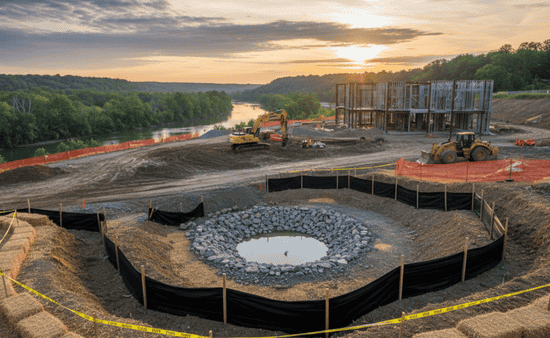
Stormwater compliance can be daunting for construction project owners and managers new to environmental regulations. With permits, inspections, and documentation to manage, it’s easy to lose track of requirements. However, understanding stormwater rules early helps avoid delays, fines, and environmental damage. This guide simplifies the basics of stormwater compliance to help construction projects stay on schedule while protecting local water resources.
What Stormwater Compliance Means for Construction Projects
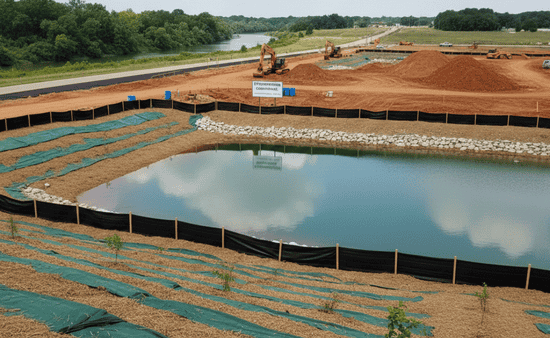
Stormwater compliance involves following regulations that manage how rainwater and snowmelt flow across construction sites. When land is disturbed, runoff can carry exposed soil, debris, and oils into storm drains, rivers, and streams. Compliance rules aim to mitigate these risks before pollution occurs. For most projects, compliance begins before breaking ground. Planning ahead ensures that controls are correctly installed, monitored, and maintained throughout the project. This preparation helps teams avoid last-minute changes that can cause delays. Ultimately, a clear understanding of stormwater expectations leads to smoother project execution and better environmental protection.
Understanding a Stormwater Pollution Prevention Plan
The Stormwater Pollution Prevention Plan (SWPPP) is the foundation of stormwater compliance. This document outlines how to manage runoff and control on-site pollution risks. It identifies potential pollutant sources and describes the practices used to keep them out of nearby waterways. A SWPPP is not a generic template; it must be tailored to the site’s specific layout, activities, and drainage patterns. For projects following SWPPP in Idaho requirements, accuracy and site-specific details are essential to meeting state and federal standards. A well-prepared plan provides clear expectations for inspectors and practical guidance for on-site crews.
When a SWPPP Is Required
Most construction projects that disturb one or more acres of land are required to have a Stormwater Pollution Prevention Plan. Smaller projects may also need a SWPPP if they are part of a larger development or located near sensitive water bodies. These regulations apply throughout the construction process, from initial clearing and grading to final stabilization. Understanding when these rules apply helps project owners avoid noncompliance and potential penalties, protecting both the project schedule and budget.
Key Elements of Stormwater Compliance
Stormwater compliance involves more than creating a document. Several ongoing actions are required to keep a project in good standing, including:
- Installing erosion and sediment controls before construction begins
- Conducting regular site inspections
- Maintaining and repairing controls as needed
- Keeping detailed inspection and maintenance records
- Updating the SWPPP when site conditions change
Each step helps reduce pollution risk. Consistency is key, especially during heavy rain or snowmelt when runoff is highest. Routine attention prevents small issues from turning into major violations.
Inspections and Documentation Basics

Inspections are essential for stormwater compliance. Trained personnel must examine controls at set intervals and after major storms to confirm they are working correctly. All findings should be recorded in inspection logs as formal proof of compliance. Accurate documentation is as vital as the physical controls themselves; missing or incomplete records can lead to penalties even if erosion measures are functioning. Maintaining organized files demonstrates a commitment to site management and ensures regulatory reviews proceed smoothly.
Common Compliance Challenges for Beginners
New project owners often underestimate the continuous nature of stormwater requirements. A frequent mistake is treating the SWPPP as a static task rather than a living document; changes in site layout, construction phases, or weather conditions often necessitate updates. Inadequate training is another hurdle, as controls installed incorrectly or poorly performed inspections can lead to serious compliance gaps. Oversight agencies, such as the Idaho Department of Environmental Quality, emphasize that education and proactive management are essential to avoiding these setbacks. Proper preparation ensures projects stay on track and meet regulatory standards.
Long-Term Benefits of Stormwater Compliance
Stormwater compliance is more than just a regulatory hurdle; it offers significant long-term benefits. Proactive planning protects local waterways, supports public health, and demonstrates environmental stewardship. Well-managed sites typically face fewer work stoppages and maintain better relationships with regulatory agencies. Furthermore, staying compliant reduces the risk of expensive remediation and enforcement fines. Over time, consistent management improves operational efficiency rather than acting as a project burden. Ultimately, protecting water resources strengthens both the project’s reputation and the surrounding community.
Conclusion
The best way for beginners to approach stormwater compliance is to start early, stay organized, and pursue proper training. Understanding requirements before construction begins helps teams integrate controls smoothly into project plans. Learning the basics of stormwater management early on creates a solid foundation for compliance and long-term success.