
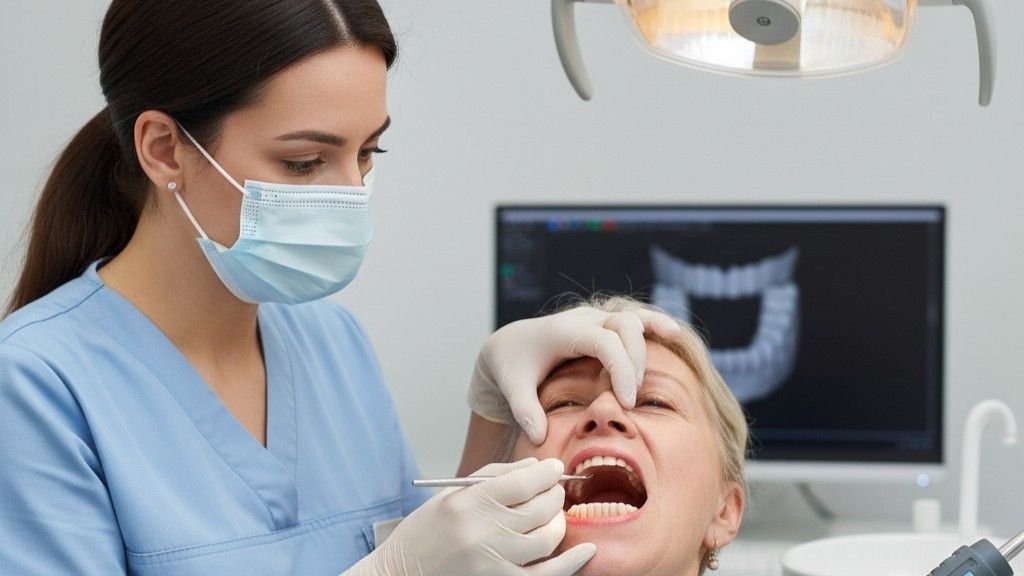
When you’re missing teeth, choosing the right replacement is an important decision that can affect your ability to eat, speak, and smile confidently. Two of the most common solutions are dental implants and dentures. While both restore function and appearance, they differ significantly in their longevity, feel, and long-term maintenance. Understanding the durability of implants compared to dentures can help you make a more informed choice.
What Are Dental Implants?
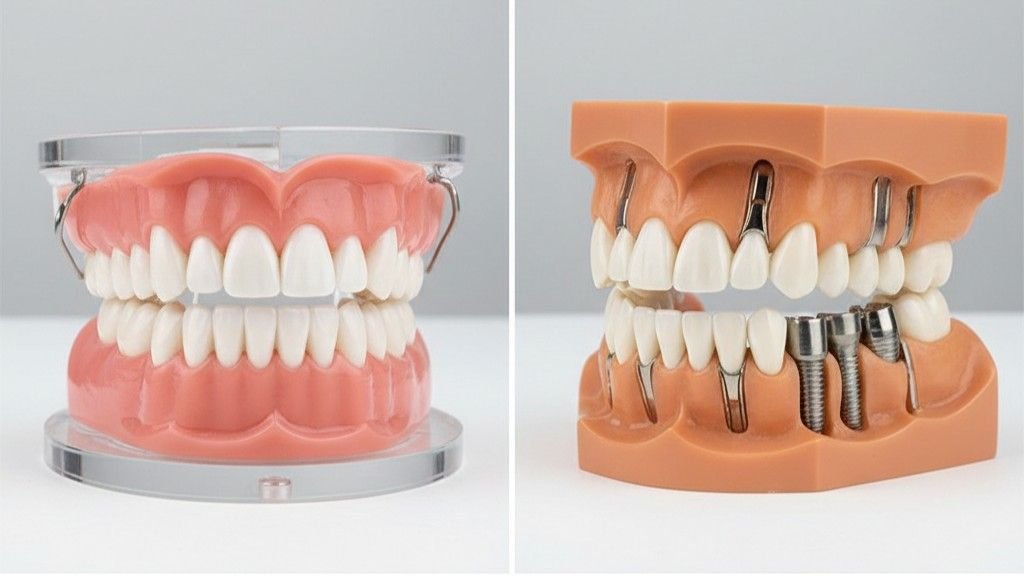
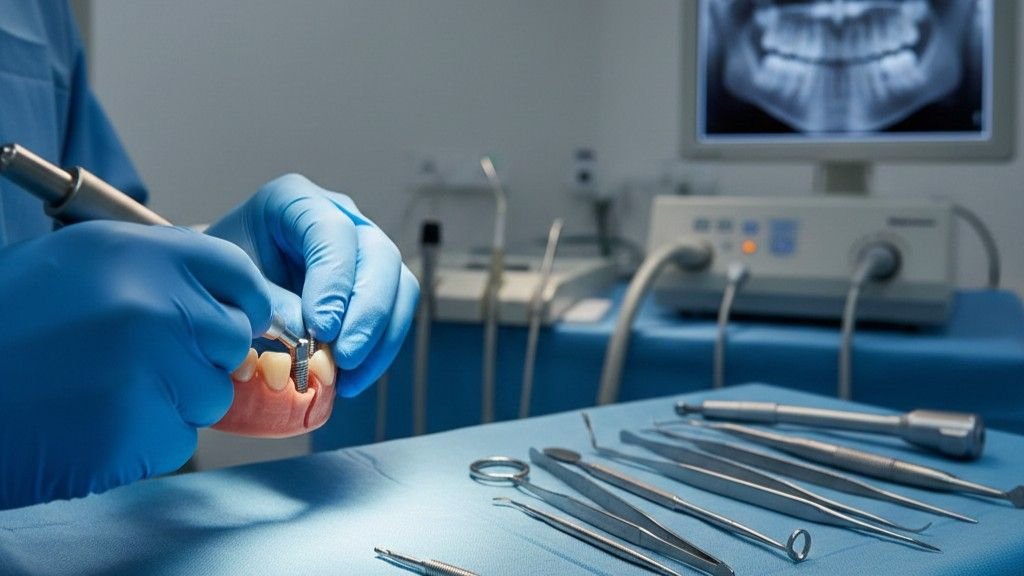
A dental implant is a permanent replacement designed to mimic a natural tooth. It consists of a small post surgically placed into the jawbone, acting as an artificial tooth root. Over time, the post fuses with the jawbone, creating a strong, stable foundation for a replacement tooth or crown. Because the implant integrates directly with your bone, it offers exceptional stability and strength, which contributes to its long lifespan and durability.
What Are Dentures?
Dentures are removable devices designed to replace multiple missing teeth. They rest on the gums and stay in place using suction, adhesives, or the natural structure of the face. Dentures have been a common solution for tooth loss for decades, restoring both function and appearance. However, unlike dental implants, dentures do not interact with the jawbone, which can impact their comfort and durability over time.
How Long Do Dental Implants Last?
Fixed dental implants offer a significant advantage in their longevity. With proper care, they can last for decades or even a lifetime. While the implant itself is permanent, the visible crown may need replacement after years of normal wear. Their durability comes from their ability to fuse with the jawbone, which helps prevent bone loss and preserves facial structure, supporting long-term oral health.
How Long Do Dentures Last?
Dentures usually need to be replaced every five to ten years. Over time, changes in the shape of your gums and jawbone can cause them to loosen or become uncomfortable. Normal wear and tear can also affect their appearance and function. Since dentures rest on the gums, they don’t prevent bone loss. As the jawbone alters, adjustments or replacements are needed to ensure a proper fit.
Maintenance and Daily Care Differences
Dental implants are maintained just like natural teeth. Regular brushing, flossing, and routine dental checkups are enough to keep them in good condition. Since they don’t require removal or soaking, daily care is simple and straightforward. In contrast, dentures need more upkeep. They must be removed daily for cleaning and soaking, as improper care can cause staining, odors, or damage. Additionally, frequent adjustments may be necessary over time to ensure they remain comfortable.
Comfort and Stability Over Time
Implants provide exceptional stability by anchoring directly into the jawbone. This secure foundation lets patients eat a variety of foods and speak with confidence, without worrying about slipping or movement. In contrast, dentures often shift during eating or talking. While adhesives can help, they don’t offer the same level of stability. This difference becomes even more noticeable over time.
Long-Term Cost Considerations
Dentures often have a lower upfront cost, making them an attractive option initially. However, the need for replacements, repairs, and adjustments over time can significantly increase the overall expense. In contrast, dental implants require a higher initial investment but offer greater cost-effectiveness over the long term. Their durability means fewer replacements and minimal maintenance, adding to their lasting value.
Jawbone Health and Facial Structure
Jawbone health plays a crucial role in longevity. Dental implants stimulate the jawbone like natural teeth, preserving bone density and facial structure. This helps maintain both functionality and appearance over time. In contrast, dentures lack this stimulation. As bone loss occurs, facial features can change, and dentures may no longer fit properly.
Which Option Lasts Longer?
Dental implants consistently outlast dentures due to their ability to integrate with the jawbone, resist wear, and remain stable over time. For those seeking a long-term tooth replacement solution, dental implants in Orem offer superior durability, comfort, and confidence compared to traditional dentures.
Conclusion
While both options have their merits, longevity is a key consideration for many patients. Dentures can be a good short-term or budget-friendly solution, but implants offer a permanent, low-maintenance alternative. Understanding how each choice affects your daily life and long-term oral health will help you select the best option for your needs.