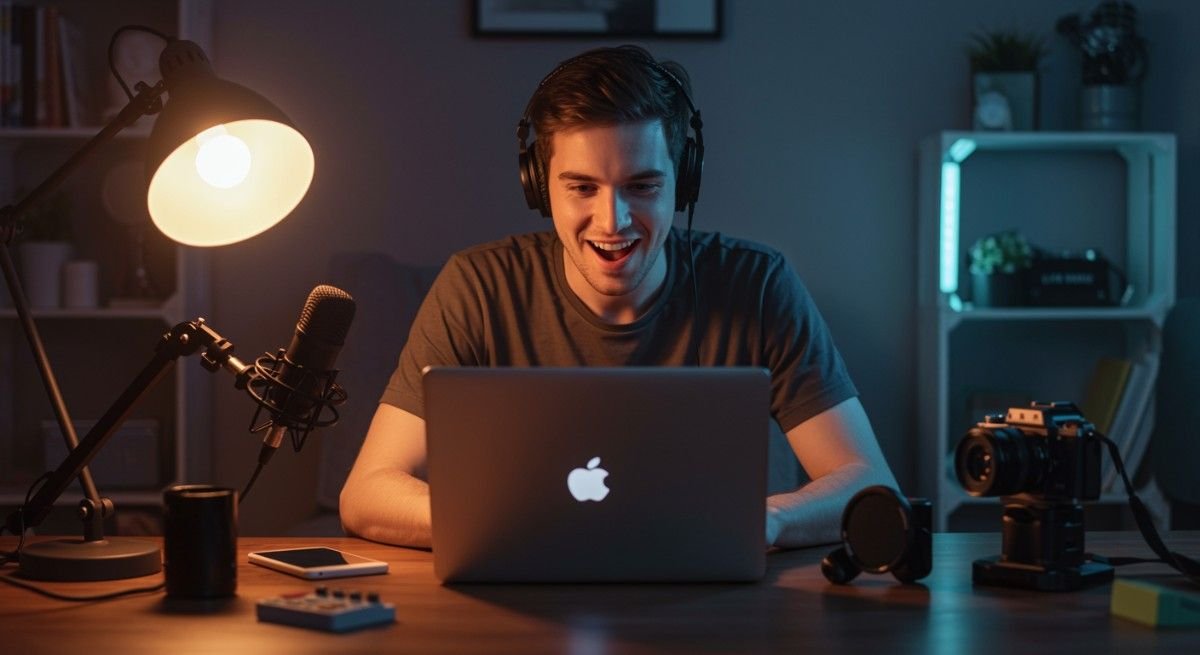
As per latest creator economy news it is no longer a trend. It’s a full-blown industry, and it’s only getting bigger in 2026. I remember when the term “creator” was mostly associated with YouTubers or Instagram influencers posting for fun. Fast forward to today, and creators are building entire media empires, turning their passions into multi-billion dollar businesses.
From YouTube’s $55 billion contribution to the U.S. GDP in 2024 to emerging platforms like Substack and TikTok, there’s no slowing down this wave of change. If you’re looking to stay ahead of the game in the ever-evolving creator economy, here’s the latest creator economy news you need to know for 2025.
What Is Driving the Growth of the Creator Economy in 2025?
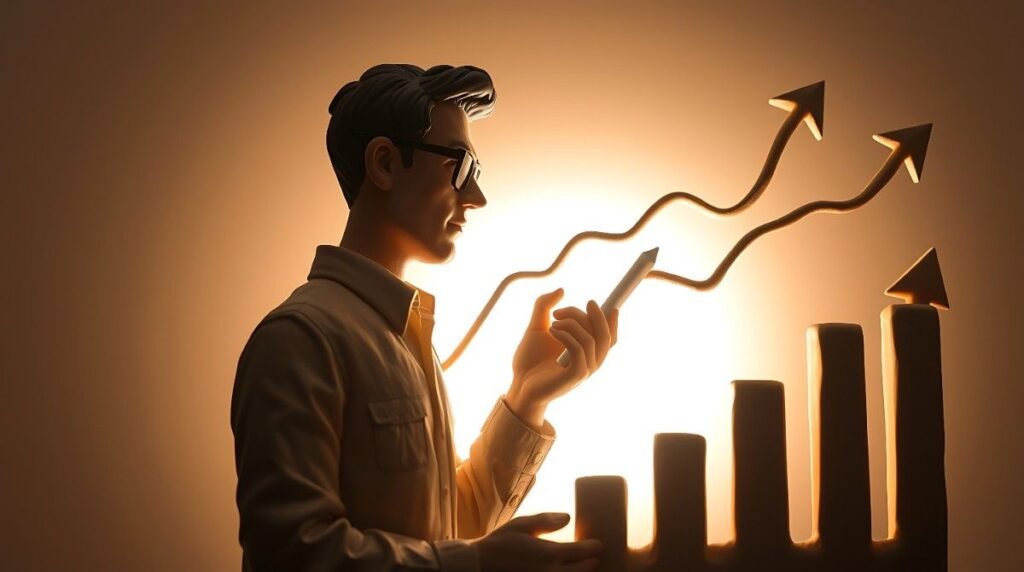
In 2025, the creator economy is on track to be valued at $480 billion by 2026, nearly doubling its 2024 valuation of $203.6 billion. This explosive growth can be attributed to several factors, including an increase in creator-driven advertising spend, new monetization opportunities, and the professionalization of creators.
Ad Spend Surge
U.S. annual creator economy ad spend is expected to rise by 18% in 2025, reaching approximately $43.9 billion. Brands are increasingly investing in creators as a more personal and relatable way to engage their audience. This shift away from traditional advertising models reflects the growing trust between creators and their communities.
YouTube’s Continued Dominance
YouTube remains a powerhouse in the creator economy, with its creative ecosystem contributing $55 billion to the U.S. GDP in 2024. YouTube’s influence continues to grow, supporting over 490,000 full-time equivalent jobs. In 2025, expect to see more creators working directly with YouTube to build sustainable businesses.
Mergers and Acquisitions
The high investor confidence in the creator economy has led to record-breaking mergers and acquisitions in 2025. Over 52 deals were made in the first half of the year, signaling that investors believe in the long-term potential of creator-driven businesses. This trend is expected to continue in 2026 as large companies look to integrate creator-led platforms into their portfolios.
How Are Platforms Evolving in the Creator Economy?
The creator economy’s landscape in 2025 is shaped by evolving platforms and new ways for creators to monetize their content.
The “TV-fication” of Creators
Success for creators in 2025 is defined by their ability to create long-form, episodic content that rivals traditional TV shows. Platforms like Netflix and Amazon Prime Video have signed major deals with creators like MrBeast, Mark Rober, and Ms. Rachel, signaling that creators’ economies are becoming the next generation of media companies.
TikTok’s Ongoing Challenges
Despite ongoing U.S. ban threats with a deadline of January 23, 2025, TikTok remains a top priority for 26% of brands. This uncertainty, paired with the platform’s rapid growth, has forced creators to diversify their presence on multiple platforms. However, TikTok’s ability to engage younger audiences keeps it a key player in the creator economy.
New Revenue Streams for Creators
Platforms like Rumble are changing how creators earn. In 2025, Rumble launched a crypto wallet, partnering with Tether to allow creators to receive instant payments, bypassing traditional banking delays. Meanwhile, Substack, once known for its anti-ad stance, has begun testing native sponsorship ads. These innovations provide new opportunities for creators to make money and control their revenue streams.
Latest Creator Economy News: AI & Virtual Influencers Shaping It
The role of artificial intelligence (AI) in the creator economy is growing rapidly, with AI tools becoming an integral part of a creator’s workflow. In fact, 84% of creators are already leveraging AI tools to boost productivity and create more engaging content. AI is helping streamline video editing, improve content recommendations, and even generate new ideas for content creation.

AI-Generated Content
By 2026, many creators are expected to reallocate their budgets away from traditional creator marketing and focus on AI-generated content. This shift is driven by the growing efficiency and affordability of AI tools, allowing brands to scale content production while maintaining high quality. AI is also enabling new types of content, such as hyper-personalized videos and automated news reporting, giving creators more ways to connect with their audiences.
Virtual Influencers Are Gaining Trust
A fascinating development in 2025 is the rise of virtual influencers. With 76% of consumers now trusting virtual influencers for product recommendations, brands are increasingly partnering with these digital personalities. Virtual influencers, created using AI and CGI, offer brands a futuristic way to engage consumers. As they continue to gain credibility, virtual influencers are likely to challenge traditional influencers in both market share and trustworthiness.
How to Get Involved in the Creator Economy in 2025
Are you excited by the creator economy news and ready to take the plunge? Here’s how you can get started in 2026:
-
Pick Your Niche and Platform
The first step is to choose a niche that you’re passionate about, whether it’s fashion, gaming, or personal finance. After that, decide which platform works best for your content style. TikTok and YouTube are still reigning champions, but newer platforms like Substack and Rumble are worth considering as well.
-
Focus on Authenticity
One of the biggest shifts in 2025 is a move away from chasing virality and focusing on authenticity. Creators who cultivate loyal, “human” communities will find more success in the long run. Engage with your audience and share content that resonates with them on a deeper level.
-
Diversify Revenue Streams
Don’t just rely on one method of monetization. Explore multiple revenue streams such as brand partnerships, affiliate marketing, paid subscriptions, and even merchandise sales. Platforms like Substack and Patreon are great for creators looking to build a sustainable income from their communities.
-
Embrace AI Tools
AI is not just a tool for efficiency—it’s a game-changer in content creation. Start experimenting with AI tools to enhance your video production, design, and content strategy. The more you embrace these tools, the more you’ll be able to scale your business.
Frequently Asked Questions
1. What is the creator economy?
The creator economy is a term used to describe the ecosystem of creators who produce content online and earn money from various sources, including brand partnerships, ads, memberships, and merchandise. Creators can be influencers, streamers, vloggers, or anyone who shares content on digital platforms.
2. How much can creators earn in the creator economy?
Creators can earn anywhere from a few hundred dollars to millions depending on their platform, audience size, engagement rate, and monetization methods. The more dedicated and strategic you are, the higher your earning potential.
3. Is AI replacing human creators?
While AI tools are helping creators enhance their productivity, creativity, and content quality, they are not replacing human creators. AI is more of a supportive tool that enables creators to produce content faster and at a higher quality.
4. What are the most popular platforms for creators in 2026?
TikTok, YouTube, Instagram, and newer platforms like Substack and Rumble are among the most popular platforms for creators in 2026. Each platform has its unique strengths, so creators often use a combination to reach different types of audiences.
The Future of the Creator Economy
The creator economy is evolving at lightning speed, and 2025 is shaping up to be a year full of opportunities. From record-breaking ad spend to the rise of virtual influencers and AI-generated content, the landscape is shifting in exciting new directions. If you’ve ever considered becoming a creator, now is the time to dive in. The future is bright, and the world is ready for your unique voice and vision. So, get creating, stay authentic, and watch your passion transform into a thriving business in the creator economy!