
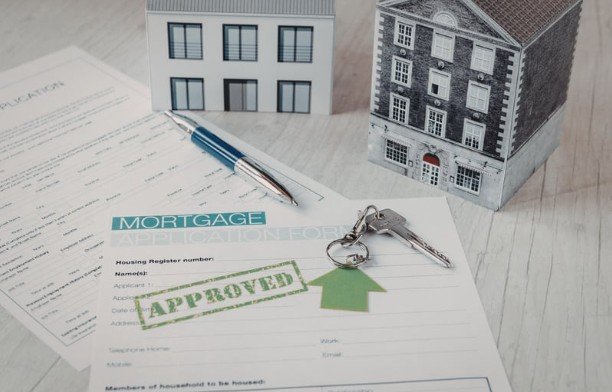
Refinancing a mortgage can be one of the smartest financial moves a homeowner makes—but timing is everything. When interest rates drop, homeowners often consider refinancing to lower their monthly payments, reduce overall interest, or change the length of their loan. However, refinancing isn’t always beneficial, and understanding the pros and cons is essential before making a decision.
So how do you know if now is the right time to refinance? Let’s explore the key factors that determine whether refinancing your mortgage makes financial sense.
What Does Mortgage Refinancing Mean?
Mortgage refinancing replaces your existing home loan with a new one—often with different terms. Homeowners typically refinance to secure a lower interest rate, change from an adjustable-rate mortgage to a fixed-rate mortgage, or tap into home equity.
For example, if you originally locked in a high interest rate, refinancing when rates drop could reduce your monthly payment and save thousands of dollars over time. On the other hand, refinancing comes with closing costs and fees, so it’s important to weigh the savings against the expenses.
Is Now the Right Time to Refinance?

Timing plays a major role in whether refinancing will benefit you. Here are some indicators that refinancing might be worth considering:
1. Interest Rates Have Dropped
One of the most common reasons to refinance is securing a lower interest rate. Even a small rate reduction can significantly lower your monthly payment and total interest paid over the life of the loan.
For instance, dropping from a 6% rate to a 4.5% rate on a $300,000 mortgage could save hundreds of dollars each month. Over 30 years, that adds up to substantial savings.
2. Your Credit Score Has Improved
If your credit score has increased since you first took out your mortgage, you may qualify for better loan terms. Lenders offer lower rates to borrowers with strong credit histories, so improving your score can open the door to refinancing opportunities.
Before applying, check your credit report for errors and take steps to reduce outstanding debts.
3. You Want to Shorten Your Loan Term
Refinancing from a 30-year mortgage to a 15-year mortgage can help you pay off your home faster and reduce the amount of interest paid over time. While monthly payments may be higher, the long-term savings can be significant.
This strategy works well for homeowners with stable incomes who want to build equity quickly.
4. You Need Predictable Payments
If you currently have an adjustable-rate mortgage (ARM), your interest rate may change over time—leading to unpredictable payment increases. Refinancing to a fixed-rate mortgage provides stability, ensuring your monthly payment remains consistent.
Predictable payments can make budgeting easier and reduce financial stress.
5. You Want to Access Home Equity
Refinancing can also allow homeowners to access their home equity through a cash-out refinance. This option lets you borrow against the value of your home and use the funds for major expenses such as home improvements, debt consolidation, or education costs.
However, borrowing against your home increases your loan balance, so it’s important to use the funds wisely and carefully evaluate other mortgage options before making a decision.
The Costs of Refinancing

While refinancing can offer financial benefits, it isn’t free. Homeowners typically pay closing costs, which may include application fees, appraisal fees, and attorney fees. These costs can range from 2% to 5% of the loan amount.
To determine whether refinancing makes sense, calculate your break-even point—the time it takes for your monthly savings to outweigh the upfront costs. If you plan to stay in your home beyond the break-even point, refinancing may be a smart move.
For an accurate property valuation, consider consulting a professional. A licensed real estate appraiser in Utah can provide an objective assessment of your home’s value, helping you determine whether refinancing is financially advantageous.
Pros and Cons of Refinancing
Like any financial decision, refinancing has advantages and disadvantages:
Pros
- Lower monthly payments
- Reduced interest rates
- Opportunity to shorten loan terms
- Access to home equity
- Predictable payments with a fixed-rate mortgage
Cons
- Closing costs and fees
- Longer time to break even
- Potential extension of loan repayment
By carefully evaluating these factors, homeowners can make informed decisions about whether refinancing aligns with their financial goals.
Final Thoughts
Refinancing your mortgage can be a powerful financial tool—if the timing is right. Lower interest rates, improved credit, and changing financial goals are strong indicators that refinancing may benefit you. However, it’s essential to consider the costs and long-term impact before proceeding.
If you’re unsure whether refinancing makes sense, speaking with a mortgage professional can help clarify your options. Additionally, obtaining a professional property valuation from a real estate appraiser in Utah can provide valuable insights into your home’s current market value.
Ultimately, refinancing is about improving your financial position. When done strategically, it can reduce costs, increase flexibility, and help you achieve long-term financial stability. If you’re considering refinancing, now might be the perfect time to explore your options.