

In the world of logistics and transportation, the adage “time is money” is a literal reality. Every minute a vehicle spends sitting on the side of the highway or stuck in a repair bay waiting for parts is a minute it isn’t generating revenue.
Unplanned downtime is the silent killer of profitability for fleets and owner-operators alike. Beyond the immediate repair bills, the ripple effects—missed delivery windows, frustrated clients, and idle drivers—can damage a business’s reputation permanently.
While mechanical failures can sometimes be unpredictable, the vast majority of breakdowns are preventable. A proactive approach to maintenance guide shifts the focus from reacting to disasters to preventing them. By prioritizing specific vehicle service jobs, fleet managers can ensure their assets remain on the road where they belong.
Here are five essential vehicle service jobs that are critical for preventing costly downtime.
1. Comprehensive Oil and Filter Analysis
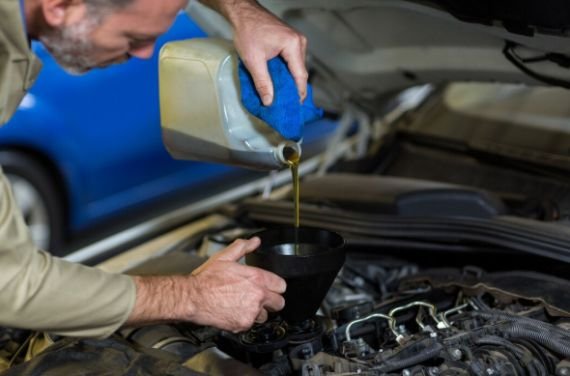
Changing the oil is the most fundamental aspect of vehicle maintenance, yet it is often treated as a mundane chore rather than a diagnostic opportunity. The engine is the heart of the vehicle, and oil is its lifeblood. Over time, oil breaks down due to high temperatures and stress, losing its ability to lubricate moving parts effectively. This leads to increased friction, overheating, and eventually, catastrophic engine failure.
However, a true preventative service goes beyond just swapping fluids. It involves a comprehensive analysis of the old oil and the filter. Examining the used filter can reveal metal shavings or sludge that indicate internal wear long before the engine starts knocking.
Furthermore, modern synthetic oils and high-efficiency filters can extend service intervals, but only if they are monitored correctly. Sticking to a rigorous schedule prevents the buildup of carbon deposits and ensures that the engine runs efficiently, saving money on fuel and preventing the massive expense of an engine rebuild.
2. Tire Inflation and Alignment Checks
Tires are consistently one of the highest operating costs for any fleet, second only to fuel. They are also the most common cause of roadside breakdowns. A blowout at highway speeds is not only dangerous but creates an immediate, expensive emergency that requires a service truck and potential towing.
Preventing these incidents starts with rigorous pressure checks and alignment services. Under-inflated tires flex more, generating excessive heat that degrades the tire structure and leads to blowouts. Conversely, over-inflation compromises traction and leads to uneven wear.
Regular alignment checks are equally vital; a misaligned truck fights against the road, scrubbing rubber off the tires at an accelerated rate and dragging down fuel economy.
By incorporating tire rotation and alignment into standard service intervals, operators can maximize the lifespan of each tire and avoid the exorbitant costs of emergency roadside assistance.
3. Brake System Overhauls
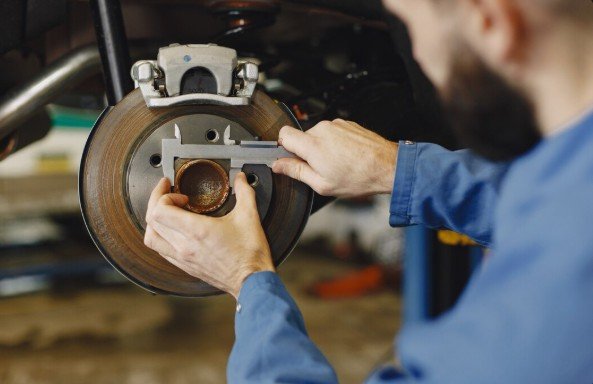
The braking system is the most critical safety component of any heavy-duty vehicle. The intense heat and friction generated during stopping—especially when carrying heavy loads or traversing mountainous terrain—puts immense stress on pads, rotors, and drums. Brake failure is a leading cause of accidents and is a primary target during Department of Transportation (DOT) inspections.
A proactive brake service involves more than just checking pad thickness. Mechanics must inspect the entire system, including air lines, chambers, and slack adjusters. They look for signs of glazing on the rotors, which can reduce stopping power, and check for air leaks that could compromise the system’s integrity.
For trucking companies in Utah, where drivers frequently navigate steep grades and fluctuating weather conditions, ensuring the brake system is in peak condition is non-negotiable. Regular overhauls prevent the vehicle from being placed out-of-service during roadside inspections and, more importantly, ensure the safety of the driver and the public.
4. Transmission and Differential Fluid Exchange
While engine oil gets all the attention, the fluids in the transmission and differential are working just as hard. These components transfer the engine’s power to the wheels, operating under high pressure and heat. If these fluids are neglected, they can break down and lose their viscosity, leading to grinding gears, slippage, and eventual transmission failure.
Replacing a transmission is one of the most expensive repairs a truck can undergo, often keeping the vehicle off the road for days or even weeks. A fluid exchange service removes the old, contaminated fluid and replaces it with fresh lubricant that contains the necessary additives to protect gears and seals.
This service also typically involves cleaning or replacing the pan gasket and filter (if applicable). By keeping these drive-train components cool and lubricated, you ensure smooth shifting and longevity, avoiding the nightmare scenario of a transmission failure in the middle of a haul.
5. Electrical System and Battery Testing

Modern trucks are increasingly reliant on complex electrical systems. From the Engine Control Unit (ECU) to the sensors monitoring emissions and fuel injection, electricity governs almost every function of the vehicle. A failure in the electrical system can be difficult to diagnose and can render a powerful truck completely immobile.
Service jobs that focus on the electrical system are essential for reliability. This includes load-testing batteries to ensure they can hold a charge, especially before the onset of winter when cold temperatures reduce battery efficiency. Mechanics should also inspect the alternator output and check all wiring connections for corrosion or fraying. A loose ground wire or a corroded terminal can cause intermittent issues that are frustrating to diagnose and fix. Proactive testing ensures that the truck starts every time and that all onboard systems function correctly, preventing downtime caused by “ghost” electrical gremlins.
The Value of Prevention
The difference between a profitable operation and one struggling to break even often comes down to asset utilization. A truck that is properly maintained is a truck that is earning. By prioritizing these five vehicle service jobs—oil analysis, tire care, brake overhauls, fluid exchanges, and electrical testing—operators protect their investment.
Maintenance should never be viewed as an expense to be minimized, but rather as an investment in reliability and safety. Keeping wheels turning is the goal, and a disciplined approach to service is the only way to achieve it.