
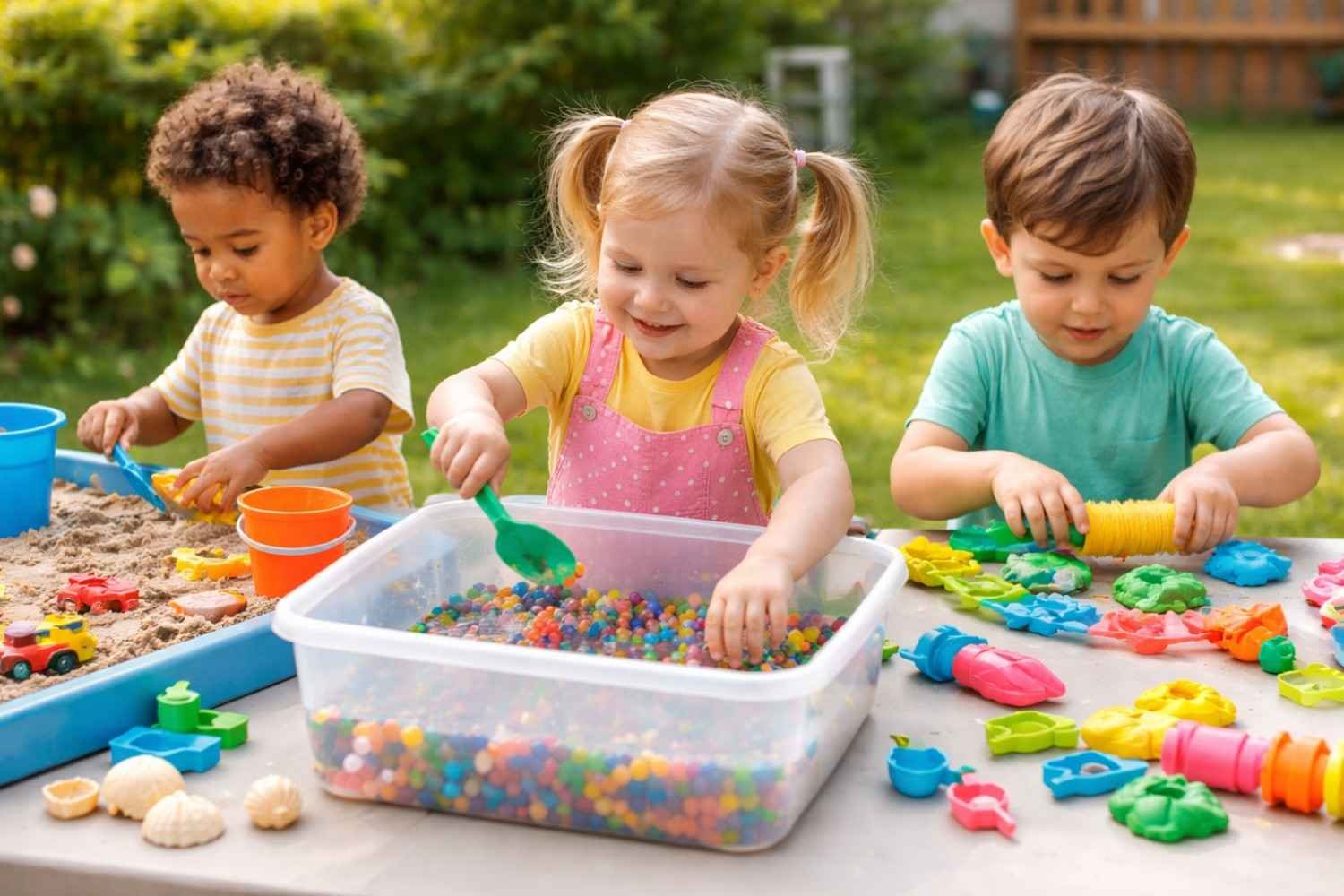
Toddlers learn about the world through their senses, and sensory play is a crucial way to support this natural curiosity. While it can be messy, sensory play engages a child’s senses—touch, smell, taste, movement, balance, sight, and hearing—and encourages them to explore and investigate.
Unpacking the Power of Sensory Play
Before we get to the fun ideas, let’s look at what is actually happening when your child squishes mud between their fingers or pours water from cup to cup.
What exactly is sensory play?
Sensory play includes any activity that stimulates your young child’s senses: touch, smell, taste, movement, balance, sight, and hearing. It can be messy, like finger painting, or calm, like listening to different sounds in a jar. Essentially, if an activity encourages your child to explore using their senses, it counts.
At its core, this type of play is about freedom and exploration. There is no “right” way to do it. The goal isn’t to build a perfect sandcastle; the goal is to feel the texture of the sand, understand how it changes when wet, and experience the cause-and-effect of knocking a pile over.
Why is it so beneficial for toddlers?
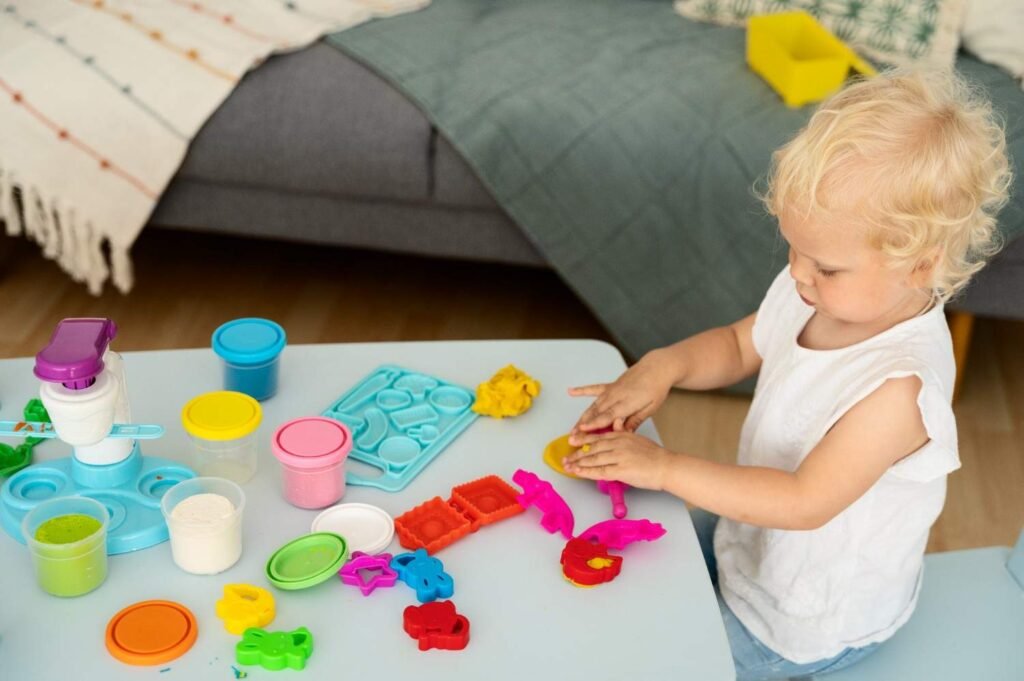
Research consistently shows that sensory play builds nerve connections in the brain’s pathways, which leads to the child’s ability to complete more complex learning tasks.
- Cognitive Development: When a toddler scoops rice or sorts buttons, they are learning pre-math skills like counting, sorting, and measuring. They are also learning about cause and effect.
- Language Skills: Sensory play is a language-rich experience. You can introduce new adjectives like “slimy,” “rough,” “cold,” or “squishy.” Describing what they are feeling helps expand their vocabulary.
- Fine Motor Skills: Squishing playdough, picking up small items with tweezers, or pouring water helps develop the small muscles in the hands and wrists. This prepares them for writing, buttoning clothes, and tying shoelaces later in life.
- Calming Effects: Many sensory activities, particularly those involving water or heavy work (like pushing or pulling), can be incredibly regulating for a child who is overstimulated or anxious.
5 Types of Sensory Activities to Try at Home
You don’t need expensive toys or equipment to create meaningful sensory experiences. Most of the best tools are already in your kitchen cupboards or backyard.
1. Water Play
Water is perhaps the simplest and most accessible sensory material. It captures toddlers’ attention because it moves, splashes, and changes temperature.
- The Setup: A large plastic storage bin, a bathtub, or even the kitchen sink works perfectly.
- Add-ins: Cups, funnels, sponges, whisks, and ladles. You can add a drop of food coloring to make it visually exciting or tear-free bubble bath for texture.
- The Learning: This activity introduces concepts of volume (full vs. empty), physics (floating vs. sinking), and temperature.
- Pro Tip: To minimize the mess, place a large towel or a shower curtain liner under the bin if you are playing indoors.
2. Sand Play
Sand offers a different tactile experience than water. It can be dry and silky or wet and moldable.
- The Setup: A sandbox is great, but a small bin of kinetic sand (which sticks to itself) is excellent for indoor play.
- Add-ins: Toy trucks, small shovels, plastic animals, or cookie cutters.
- The Learning: Sand play is excellent for imaginary play and construction skills. It also builds hand strength as children dig and mold.
3. Playdough
Playdough is a classic for a reason. It provides “heavy work” for little hands, which gives deep pressure feedback to the muscles and joints.
- The Setup: You can buy it, but making it at home allows you to control the ingredients and texture. A simple mix of flour, salt, water, cream of tartar, and oil creates a soft, long-lasting dough.
- Add-ins: Rolling pins, plastic knives (safe for kids), googly eyes, pipe cleaners, or textured rollers.
- The Learning: This is a powerhouse for fine motor development. Rolling, poking, and squeezing the dough strengthens the exact muscles needed for holding a pencil.
4. Edible Sensory Bins
For younger toddlers who still put everything in their mouths, safety is a priority. Edible bins remove the stress of choking hazards or ingesting non-food items.
- The Setup: Use a clean plastic bin or highchair tray.
- Materials:
- Cooked Pasta: Spaghetti tossed in a little oil makes for a slippery, wiggly experience.
- Cereal: Crushed cheerios or cornflakes allow for crunching and scooping.
- Jello: Hiding toys inside a block of Jello creates a sticky, excavation adventure.
- The Learning: This engages taste and smell alongside touch. It’s also a great way to introduce different food textures to picky eaters in a low-pressure environment.
5. Nature-Based Sensory Activities
Nature provides the most diverse sensory experiences available. It connects children to their environment and offers textures you can’t replicate indoors.
- The Setup: A walk in the park, the backyard, or a collection of items brought inside.
- Activities:
- Mud Kitchen: Old pots and pans, dirt, and water. Let them make “mud pies.”
- Leaf Crunching: In autumn, gather piles of dry leaves for stomping and crunching.
- Texture Scavenger Hunt: Look for things that are smooth (rocks), prickly (pinecones), or soft (moss).
- The Learning: This encourages observation skills and scientific thinking. Why is the rock hard? Why is the mud wet?
Setting Up for Success
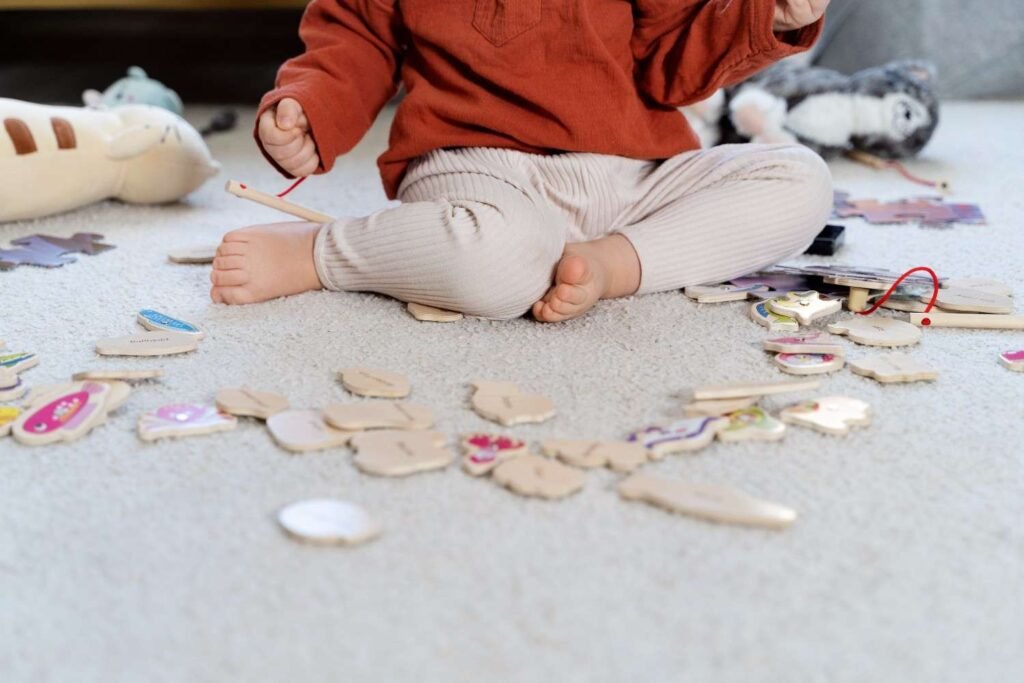
The key to enjoying sensory play is preparation. If you are stressed about the mess, your child will sense it.
Safety Considerations
Always supervise sensory play. Even with “safe” items, choking is a risk for toddlers. Avoid small items like marbles, water beads (which are dangerous if swallowed), or uninflated balloons. If using food items, be mindful of allergies.
Keeping it Age-Appropriate
Tailor the complexity to your child. A one-year-old might just want to splash the water, while a three-year-old might want to build a complex system of funnels and pipes. Follow their lead. If they seem bored or frustrated, change the activity.
Easy Cleanup Tips
Cleanup is often the biggest barrier for parents. Here are a few strategies to make it easier:
- Containment: Use a designated “messy zone” like the bathtub, the patio, or a large plastic tablecloth on the floor.
- Dress for the Mess: Don’t put your child in their best clothes. Use an oversized t-shirt, a smock, or just a diaper.
- Involve the Child: Make cleanup part of the play. “Let’s wash the toys in the sink” or “Let’s sweep up the sand together.”
While these activities are wonderful for home, they are also a core component of many professional childcare environments, including preschools and quality before and after-school care programs. Educators know that sensory engagement is often the quickest way to help a child settle in and start learning.
Conclusion
You don’t need to set up an elaborate Pinterest-worthy bin every day. Start with a bowl of water and some spoons while you’re cooking dinner. Watch how your toddler lights up as they pour and splash.