
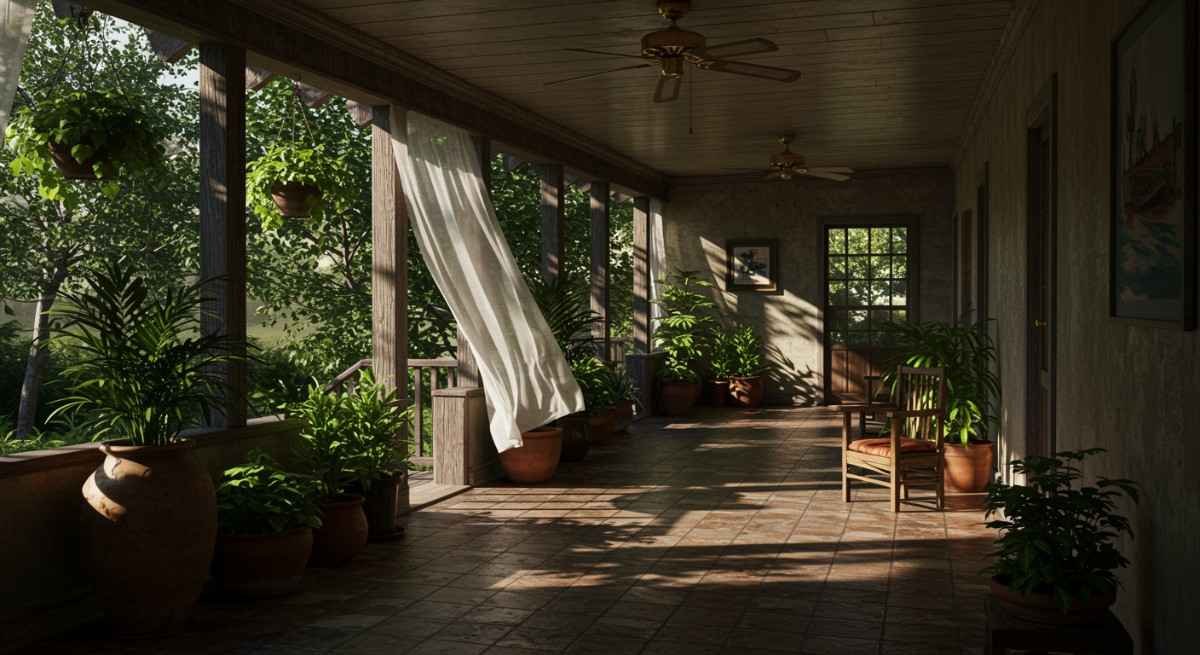
When I started looking for natural ways to keep my house cool I thought it’d be impossible to survive the scorching heat. I used to live with the AC blasting 24/7. But after an eye-watering electric bill that made me reconsider my life choices, I realized something had to change. I wasn’t ready to give up comfort, but I definitely wanted to lower my energy consumption.
That’s when I started looking for natural ways to keep my house cool. It turns out that keeping your home cool in the summer without relying on air conditioning is not only possible, but it’s also easy, affordable, and, best of all, eco-friendly. Let me walk you through the strategies I used to get my home to a more comfortable temperature and save a little money along the way.
How Can Shading Windows Help Keep Your House Cool Naturally?
A lot of heat comes into the home through the windows, especially during the afternoon when the sun is at its hottest. To combat this, you need to control the sunlight that’s coming in. There are a few simple ways to do this:
Close Curtains During the Hottest Hours
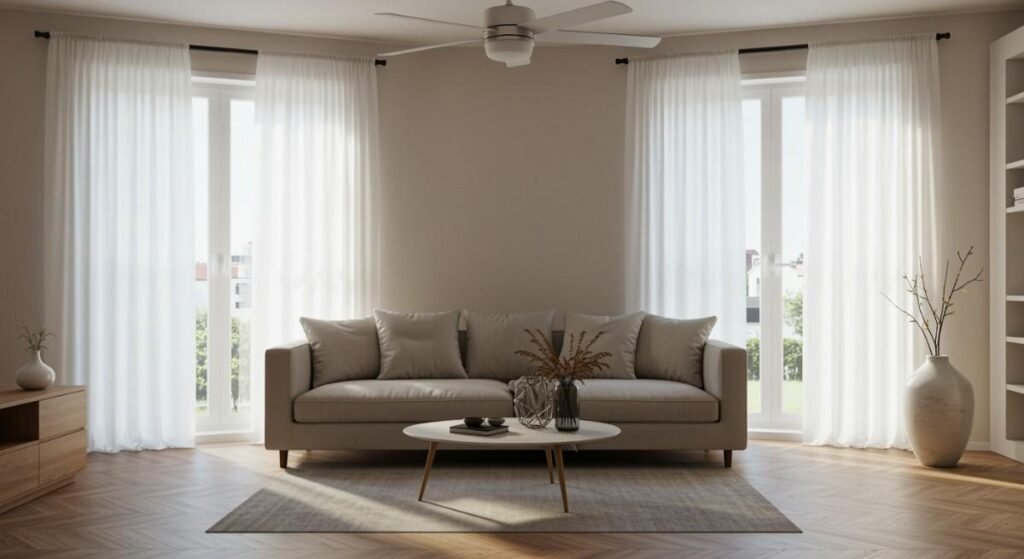
The first rule I adopted was to close the curtains during the hottest parts of the day—typically between 11 AM and 4 PM. This helps keep the cooler indoor air from escaping while blocking the sun’s direct rays. Dark-colored curtains are good at absorbing heat, but light-colored ones can reflect sunlight and are a better choice if you’re looking to keep things cooler inside.
Use Window Films for Added Protection
Another trick that’s worked wonders for me is applying window films. These films are designed to reflect infrared and UV rays while still letting in natural light. I installed some in areas where the sun is relentless, and it made a noticeable difference. Not only did it cool down the rooms, but it also added a layer of privacy.
Install External Shading Systems
If you’re willing to go a bit further, installing external shading systems such as awnings or shutters can help block the sun before it even touches your windows. This is especially helpful for west- and south-facing windows, which catch the most heat. If you have the space, planting trees near these windows can provide even more shade and keep the air around your home cooler.
How Does Proper Airflow and Ventilation Keep Your House Cool?
When it comes to natural ways to keep your house cool, airflow is key. Ventilating your home properly can help release hot air and pull in cooler outdoor air. Here’s how I use ventilation to keep my space comfortable:
Open Windows at the Right Times
One of the easiest ways to cool down your home is by opening windows during cooler parts of the day. Night-flush ventilation is my favorite technique, where I open the windows at night when the temperature drops, letting the cooler air rush in. I make sure to close them by morning before the temperature rises again, trapping the cool air inside.
Cross Ventilation Is Your Best Friend
Cross ventilation is another great way to get airflow moving through your home. By opening windows on opposite sides of the house, I allow fresh air to flow through and push out the warm, stale air. To maximize this effect, I also place a fan in one of the windows, helping to pull in the fresh air more effectively.
Let Hot Air Escape Through High Windows
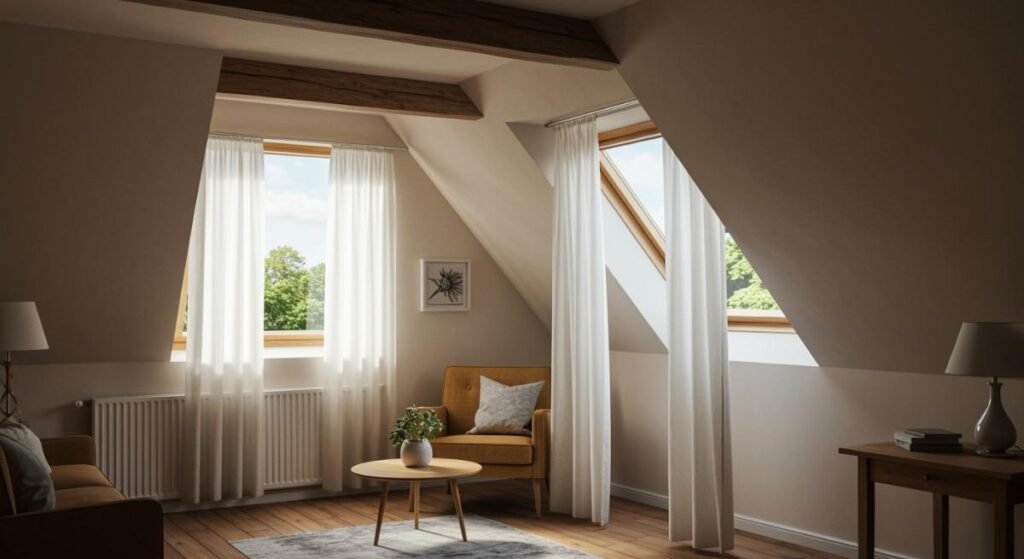
In multi-story homes, hot air rises, which is where the stack effect comes in handy. I open windows at the highest points of my house, like the attic or upstairs, to let that hot air escape. At the same time, I open windows downstairs to draw in the cooler air. It’s a simple yet effective way to keep the temperature down without using a ton of energy.
How Can I Manage Heat Sources in My Home?
Appliances, lighting, and other sources of heat in the house can significantly raise the temperature inside. Here’s how I learned to manage them and keep things cooler:
Use Appliances Wisely
Some of the most heat-generating tasks like doing laundry or washing dishes, are best saved for the early morning or late evening when the outside temperature is lower. I also try to avoid using the oven during the heat of the day and opt for grilling or using a slow cooker instead.
Switch to LED Lights
Another quick fix that made a big difference was replacing my incandescent light bulbs with LED bulbs. Incandescent bulbs release about 90% of their energy as heat, while LEDs are much more efficient and don’t heat up your house. Switching to LEDs was an easy way to reduce internal heat without sacrificing light.
Cook Outside to Avoid Heating Up the Kitchen
To keep my kitchen cool, I try to cook outdoors as much as possible during the summer. Grilling or using an outdoor stove keeps the heat out of the house, so I don’t end up turning my kitchen into a sauna. If you don’t have a grill, a slow cooker or microwave can be great alternatives for keeping the kitchen cool.
What Are Long-Term Solutions for Passive Cooling?
If you’re looking for long-term ways to keep your house cool, passive cooling is the way to go. These methods can take a little investment up front but pay off in energy savings in the long run.
Landscaping for Shade
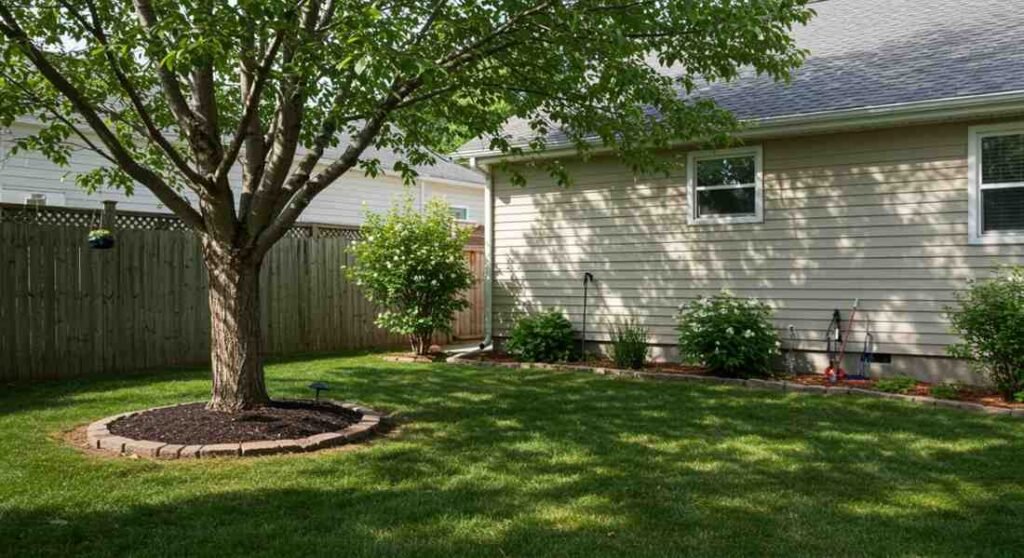
One of the most effective long-term strategies is landscaping. I planted a couple of deciduous trees on the south and west sides of my home, and it’s made a huge difference. These trees provide shade in the summer but allow sunlight through in the winter, helping to keep the temperature inside stable year-round.
Cool Roofing and Better Insulation
Switching to a cool roof—a light-colored roof or a reflective roof coating—can prevent your home from absorbing too much solar heat. I also added extra insulation in the attic and sealed air leaks around doors and windows. This helps to trap the cool air inside and keeps the heat outside where it belongs.
Quick and Easy DIY Cooling Hacks
If you need relief from the heat right now, here are a couple of quick DIY hacks that will cool your space instantly:
The Ice Fan Trick
Place a bowl of ice or frozen water bottles in front of a fan, and you’ll create a cool breeze that feels like a homemade air conditioner. It’s a simple trick, but it’s surprisingly effective.
The Damp Sheet Trick
Another DIY hack I love is the damp sheet trick. Hang a damp sheet in front of an open window during a breeze, and the evaporating water will naturally cool the air as it enters your home. This trick is perfect for the early evening when you just need to cool down before bed.
Frequently Asked Questions
1. How can I keep my house cool without using air conditioning?
The best natural ways to keep your house cool include blocking sunlight with curtains or window films, improving ventilation with fans, and managing heat sources like appliances and lighting. You can also invest in long-term strategies like insulation and landscaping for shade.
2. Does using a fan really help cool my house naturally?
Yes! Fans circulate air and create a cooling effect, especially if you use them with techniques like cross-ventilation or placing ice in front of them. Ceiling fans set to rotate counterclockwise can also help push cool air down.
3. When is the best time to ventilate my house?
Open your windows during the early morning or late evening when the outside temperature is lower than inside. This allows you to bring in cool air and flush out hot air, keeping your house cooler naturally.
4. How does insulation help with cooling?
Insulation helps keep cool air inside and prevents hot air from entering your home. Proper insulation in your attic and around windows can drastically reduce your cooling needs, making your home more comfortable year-round.
Stay Cool and Save Energy Naturally
If you’re tired of relying on the AC to keep your house cool, it’s time to try some natural cooling techniques. By managing sunlight, optimizing airflow, and reducing internal heat, you can create a more comfortable environment without cranking up the thermostat. Plus, you’ll save energy and money in the process. These natural ways to keep your house cool are simple, effective, and sustainable—so why not give them a try?