
Starting an Airbnb business can be one of the most rewarding ventures, offering both financial independence and the opportunity to be your own boss. Over the years, short-term rentals have become an incredibly popular way for people to earn passive income. If you’ve been considering entering the Airbnb business, you’re in the right place.
I’ll go over everything you need to know to launch a profitable Airbnb business in this post. I’ll offer my advice and experiences to make sure you’re prepared for success, from selecting the ideal property to pricing tactics. Now let’s get started!
Why Start an Airbnb Business?
Before we jump into the nuts and bolts of setting up your Airbnb, let’s quickly look at why it’s worth considering:
- High Income Potential: If you’re in the right location, you can make a significant income through short-term rentals. In major cities and tourist spots, Airbnb properties often earn more than traditional long-term rentals.
- Flexibility: You can choose when you want to rent out your property. Whether it’s year-round or just during peak seasons, you have control over your schedule.
- Low Startup Costs: Compared to traditional business ventures, starting an Airbnb business often requires a relatively low upfront investment, especially if you’re renting a space instead of buying.
Step 1: Choose the Right Location for Your Airbnb Business

How to Select a Profitable Location
One of the most critical decisions in starting an Airbnb business is choosing the right location. You want to select a place that not only draws tourists but also aligns with your business goals. Here’s how to think about it:
- Tourism Hotspots: Cities or towns with lots of attractions, whether natural (beaches, parks) or man-made (museums, landmarks), are ideal for short-term rentals.
- Business Hubs: Locations near business centers or airports can also be lucrative, as business travelers are constantly looking for convenient accommodations.
- High-demand Neighborhoods: Even in larger cities, certain neighborhoods outperform others in terms of rental income. Use Airbnb’s insights or third-party rental data tools to find these goldmine areas.
Step 2: Get Familiar with Local Regulations and Taxes
Understanding Legal Requirements
Airbnb laws can vary greatly depending on where you’re located, so it’s essential to do your research before you list your property. Some things to keep in mind:
- Zoning Laws: Some cities restrict or regulate short-term rentals. Make sure you know your city’s rules before getting started.
- Business Licenses: You may need a license or permit to legally operate an Airbnb business. Some areas even require you to collect hotel taxes.
- Insurance: Airbnb provides a certain level of coverage, but it’s a good idea to have your own insurance for added protection against damages or liability.
To avoid future headaches, contact your local city or county offices to make sure you comply with all regulations.
Step 3: Prepare Your Property for Guests
Setting Up and Furnishing Your Space
Once you’ve got the legal side covered, it’s time to prepare your property. Here are a few tips to help make your space guest-ready:
- Cleanliness Is Key: Make sure everything is spotless. Clean bathrooms, fresh linens, and a tidy kitchen will set the tone for your guest’s experience.
- Create an Inviting Atmosphere: Guests want comfort and style. A welcoming space with cozy furniture, well-lit rooms, and thoughtful decor goes a long way.
- Amenities Matter: Providing amenities like high-speed internet, free parking, and toiletries will make your listing stand out.
You can either purchase or rent furniture and appliances, depending on your budget. Add a personal touch with small details like fresh flowers or welcome snacks to make your space feel like a home away from home.
Step 4: Price Your Airbnb Competitively
How to Set Your Rates
Pricing your property correctly is crucial to attracting guests. Here’s how I recommend setting the right price:
- Market Research: Look at what similar properties in your area are charging. Take note of their amenities, location, and quality to set a competitive rate.
- Dynamic Pricing: Use Airbnb’s built-in pricing tool or third-party services like Pricelabs or Beyond Pricing. These tools adjust your rates based on demand, seasonality, and local events.
- Offer Discounts for Longer Stays: If you want to attract long-term stays, offer discounts for guests who book for a week or more. It’s a great way to secure steady income.
Remember, pricing is flexible. Don’t be afraid to adjust based on guest demand, reviews, and the time of year.
Step 5: Create a Winning Airbnb Listing
How to Write an Irresistible Listing Description
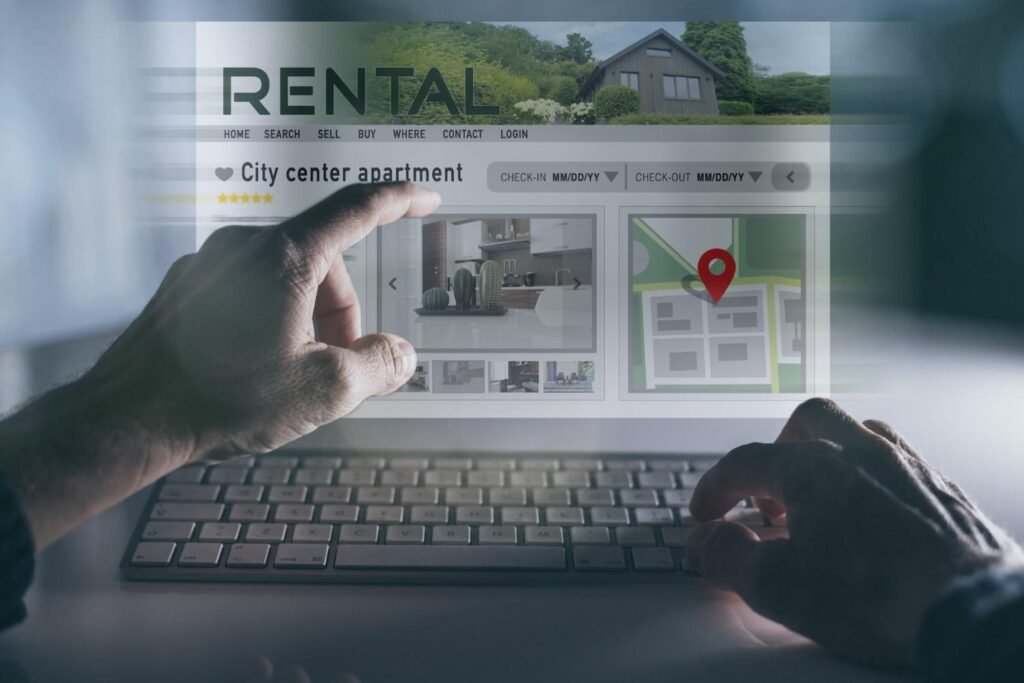
Now that your property is ready and priced, it’s time to create a compelling Airbnb listing. Here’s how to make yours stand out:
- High-Quality Photos: Use bright, high-resolution images that showcase every part of the space. Invest in professional photos if possible. These can boost your bookings significantly.
- Clear, Concise Description: Write a description that highlights the unique features of your property. Be clear about the number of guests, amenities, and house rules.
- Highlight Your Location: Mention nearby attractions, restaurants, and transport links to help potential guests see the benefits of booking your space.
- Add Guest Reviews: If you’re new to Airbnb, try reaching out to friends or family who can help you build your reviews quickly.
Step 6: Optimize for Success and Scale Your Airbnb Business
Marketing Your Listing & Growing Your Brand
To succeed in the Airbnb business, optimizing your listing for better visibility is key. Here’s how to do it:
- Respond Quickly: Guests love a prompt response. Replying within an hour can increase your chances of securing a booking.
- Update Your Calendar Regularly: Airbnb’s algorithm favors active hosts. Keep your calendar updated and take advantage of special promotions and deals.
- Invest in Marketing: Use social media platforms like Instagram and Facebook to showcase your property. Consider building a website if you want to scale your Airbnb business to multiple properties.
Once you’ve got the hang of things, consider scaling your business by adding more properties. This will allow you to take advantage of economies of scale and increase your overall income.
Step 7: Manage Operations Efficiently
Running a successful Airbnb involves more than just setting up a property. Efficiently managing operations ensures a smooth experience for both you and your guests. Here’s how to streamline your operations:
- Guest Communication: Respond promptly to inquiries and send automated messages for check-in details and house rules. This saves you time and ensures clarity.
- Cleaning Schedules: Set a regular cleaning schedule between stays. You can outsource cleaning to professionals for consistent results, especially with multiple properties.
- Maintenance: Keep up with routine maintenance to avoid sudden issues. Regular checks can prevent unnecessary disruptions during guest stays.
- Self-Check-In: Use smart locks for easy, contactless check-ins. This allows guests to check in at their convenience without needing to meet in person.
- Automate Tasks: Use tools for dynamic pricing, automated messages, and booking management to save time and reduce manual effort.
By automating and organizing these tasks, you’ll save time and provide a better experience for your guests.
Frequently Asked Questions (FAQs)
1. How much money can I make with an Airbnb business?
The amount you can make depends on several factors, including location, property type, and pricing. Some hosts make thousands per month, while others may only earn a few hundred.
2. Do I need to own the property to start an Airbnb?
No! You can start an Airbnb business by renting a property and offering it as a short-term rental. This is known as rental arbitrage and can be a great way to enter the business without owning property.
3. Is it difficult to manage an Airbnb business?
Managing an Airbnb requires attention to detail, particularly around guest communication, property maintenance, and cleaning. However, many hosts choose to outsource tasks like cleaning and property management as they scale their business.
Conclusion
Starting an Airbnb business can be a rewarding experience that opens up opportunities for financial freedom and flexibility. By choosing the right location, preparing your property, setting competitive prices, and marketing your listing effectively, you can set yourself up for success.
Are you ready to get started? With the right steps and some dedication, you’ll be well on your way to becoming a successful Airbnb entrepreneur.