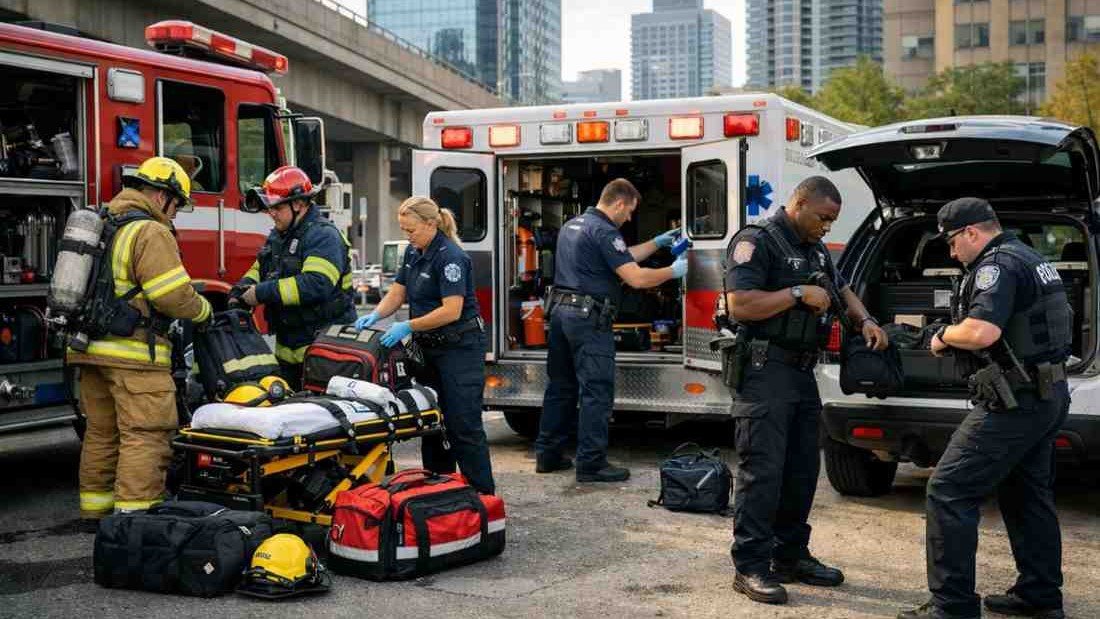
When a crisis strikes, a select group of dedicated professionals rushes toward the danger. Choosing a career as a first responder means committing to a life of public service. This path requires intense preparation, unwavering focus, and a deep desire to help others. We will explore the rigorous training, essential certifications, and critical skills necessary to succeed in this demanding field.
The Core Requirements for First Responders
Entering this profession involves much more than filling out an application. You must meet strict baseline requirements before you ever set foot in an academy.
Educational Pathways
Most agencies require a high school diploma or equivalent to start. However, many successful candidates pursue college coursework in criminal justice, fire science, or emergency medical services. Advanced education provides a strong theoretical background that helps you understand complex protocols. Earning an associate degree or certificate gives you a competitive edge during the hiring process.
Physical and Mental Fitness
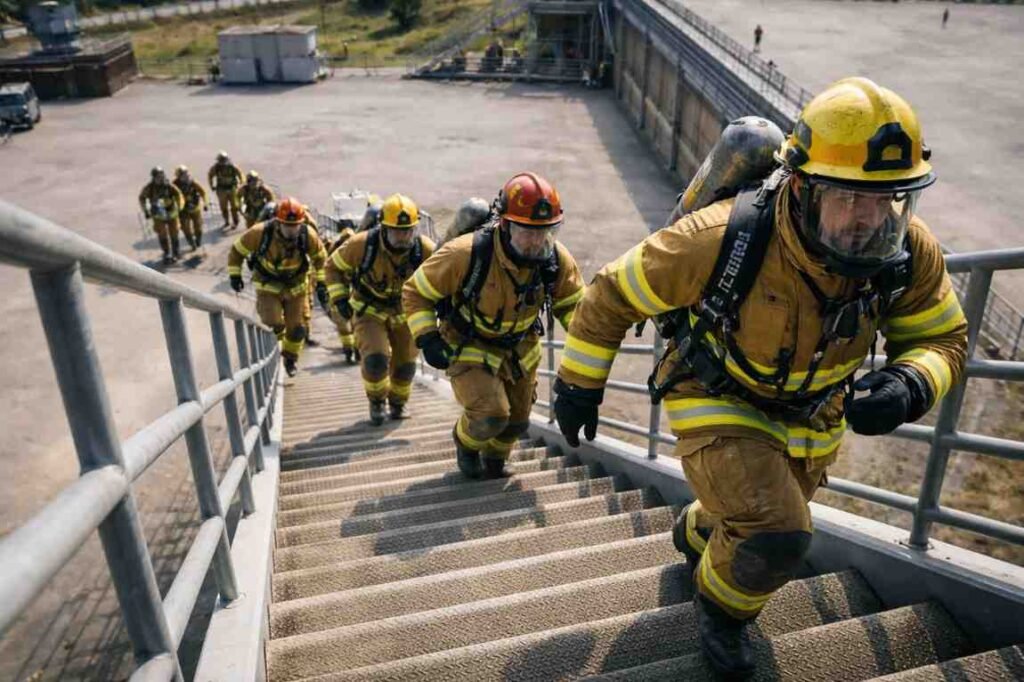
First responders face extreme physical demands daily. You need stamina to carry heavy equipment up flights of stairs and strength to extract individuals from hazardous environments. Daily exercise routines focusing on cardiovascular endurance and functional strength are mandatory. Train daily to balance your body and life.
Just as importantly, you must cultivate mental resilience. The ability to remain calm and process trauma safely is crucial for a long and healthy career.
Navigating the Certification Process
The transition from civilian to active duty relies heavily on specialized education. You must pass several rigorous testing phases to prove your competency.
Essential Medical Training
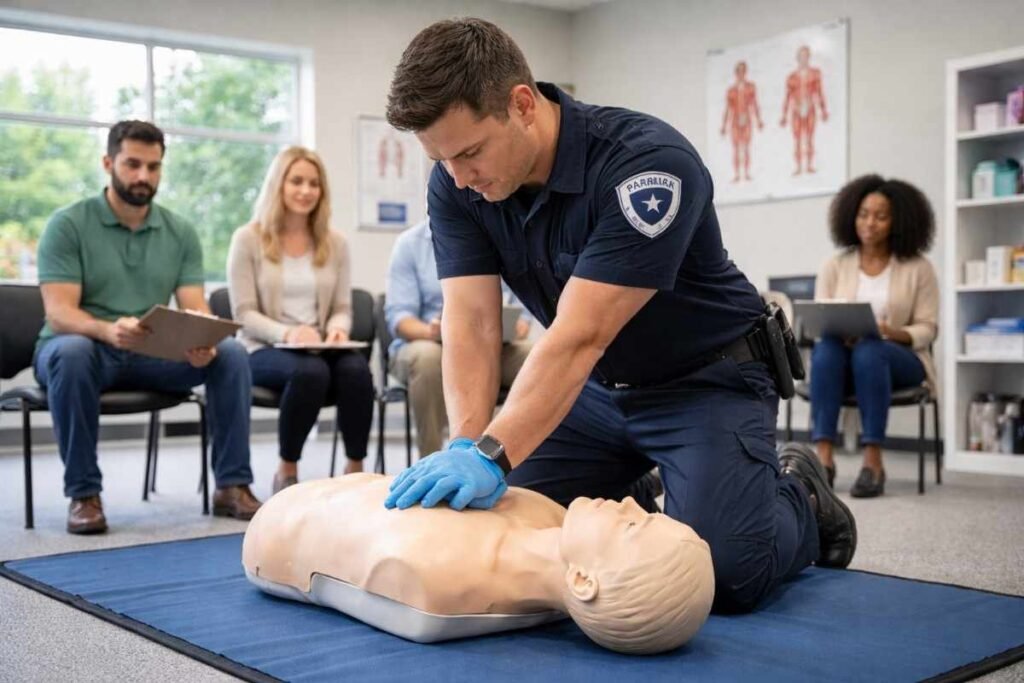
Every responder needs a solid foundation in basic life support. Cardiopulmonary resuscitation and automated external defibrillator certifications are absolute minimum requirements. Many aspiring professionals take the extra step to become certified Emergency Medical Technicians. EMT courses teach you how to stabilize patients, control severe bleeding, and manage restricted airways safely.
Specialized Academy Programs
Whether you aim for law enforcement, fire rescue, or medical transport, you will attend a specialized training academy. These programs last anywhere from twelve weeks to six months. Instructors push candidates to their limits through simulated crisis scenarios. You learn proper procedures for everything from hazardous material containment to advanced driving techniques.
Developing Critical Field Skills
Classroom knowledge only goes so far. Applying that information during unpredictable situations separates novices from seasoned veterans.
Clear Communication Under Pressure
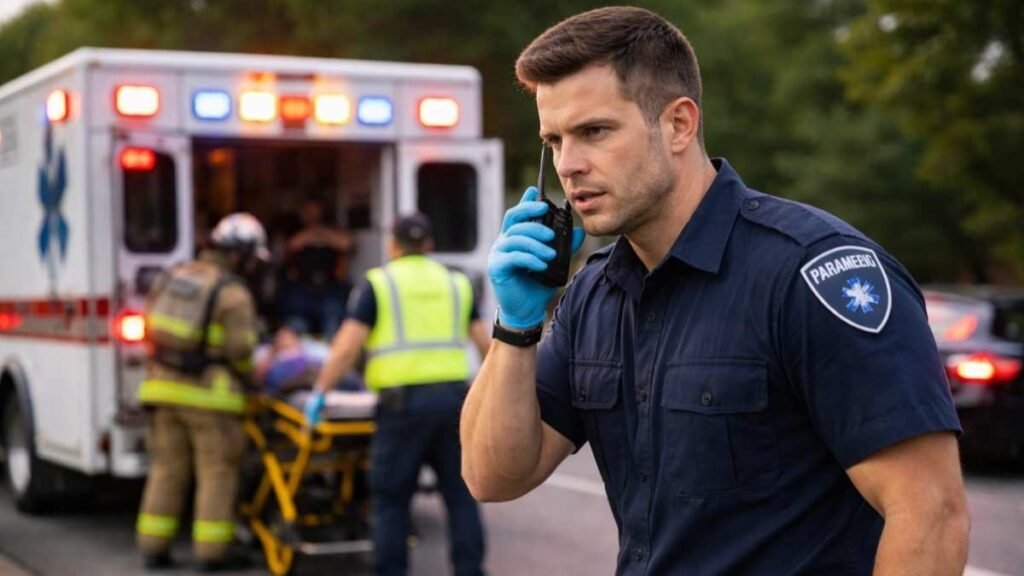
When chaos unfolds, clear information saves lives. You must master the art of concise communication using radio equipment. Relaying accurate details to dispatchers and hospital staff ensures that additional resources arrive quickly. You also need strong interpersonal skills to calm panicked victims and gather crucial medical histories.
Quick Decision Making
Hesitation often leads to disastrous outcomes. Training teaches you to evaluate a scene in seconds and determine the safest course of action. You must prioritize tasks instantly, deciding who needs immediate medical attention and identifying potential environmental hazards. Trusting your training allows you to act decisively when every second counts.
The Daily Realities of the Job
Transitioning from a controlled academic environment to active duty brings new challenges. The actual job looks very different from the simulations.
Managing High-Stress Situations
The moment the emergency vehicle lights flash to life, your adrenaline surges. You must control your own physical response to stress while navigating unpredictable traffic patterns safely. Arriving at a chaotic scene requires you to tune out distractions and focus entirely on your specific duties. Shift work and long hours add another layer of fatigue that you must manage actively.
Continuous Learning and Adaptation
Graduating from an academy represents the beginning of your education rather than the end. Protocols update frequently as new research emerges. You will attend regular continuing education seminars to keep your skills sharp and develop sustainable habits. Adapting to new medical technologies and rescue techniques ensures you provide the highest standard of care possible.
The Value of Public Service
Communities rely entirely on the dedication of highly trained professionals during their darkest moments. Becoming an emergency responder involves rigorous physical conditioning, extensive medical education, and continuous mental preparation. These brave individuals form the backbone of public safety. They transform chaotic disasters into manageable situations, preserving life and property every single day. Their unwavering commitment ensures that when citizens call for help, skilled hands are ready to answer.